
Lieferung heute & morgen

Qualitätsgarantie

Willkommens-Angebote freischalten: KOSTENLOSE Lieferung | Bis zu 80 % RABATT | Kostenlose 30-Tage-JoyPlus-Testphase
App herunterladen
The search for the perfect cute toy can quickly become complicated. The market is filled with products that look adorable at first glance but later turn out to be a disappointment. Whether it's for a child's birthday gift, an addition to your own collection, or as charming Kawaii decor, making the right choice requires a look behind the marketing curtain. Many buyers invest in products that either break quickly, pose safety risks, or simply fail to meet expectations.
As your Joybuy Product Recommendation Officer, I'll help you identify the most common pitfalls and show you which objective criteria to look for. This way, you can ensure your choice not only looks cute but also brings lasting joy.
To avoid a bad purchase, you should focus on verifiable features. These three parameters will help you objectively assess a product's quality and value.
Safety should always come first, especially with gifts for children. A crucial indicator within the EU is the CE marking. It signals that the manufacturer declares compliance with applicable European safety requirements.
A good toy matches the user's developmental stage and stimulates the imagination.
To avoid disappointment, align your expectations with the facts.
Here are some recommendations tailored to different profiles that meet the quality criteria mentioned.
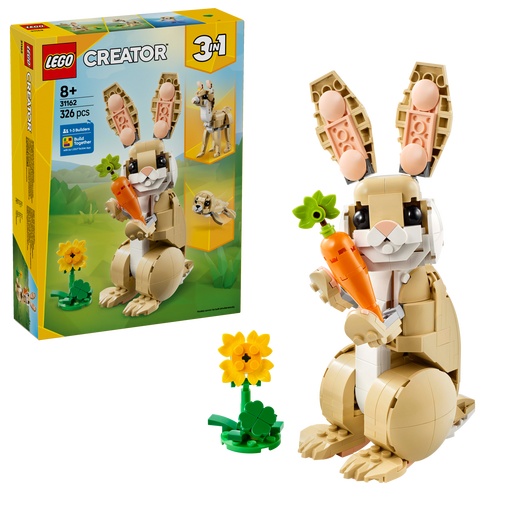
Why it's a great fit: This set is perfect for children who love to build and be creative. It promotes concentration and fine motor skills, and its 3-in-1 function (bunny, llama, or seal) offers variety and long-lasting play value.
It counters the "short-lived play value" pitfall, as the same bricks can be used to build three different models. The proven LEGO quality, using ABS plastic, ensures safety and durability.
Promotes creativity and problem-solving skills. The posable animal figures are also great for play and display after building.
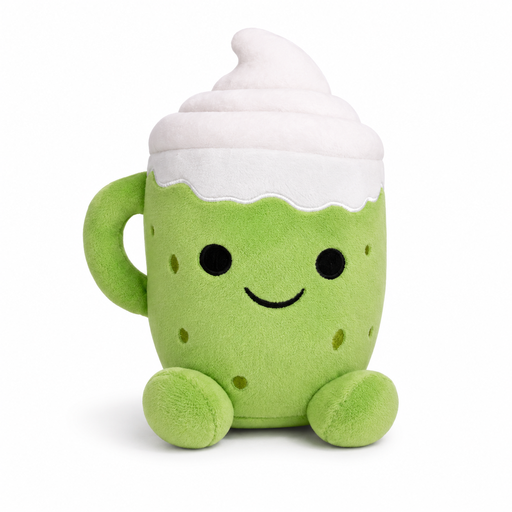
Why it's a great fit: With its unique plush mug design, this toy is a charming eye-catcher on any desk or shelf. It combines the function of a decorative object with that of a soft, comforting plush toy.
The design is original and well-defined, so it doesn't rely on misleading images. The high-quality short plush material and precise embroidery demonstrate good workmanship, avoiding the pitfall of poor quality.
Combines decorative aesthetics with the emotional comfort of a cuddly object. Its 25 cm size is perfect for desks or bedside tables.
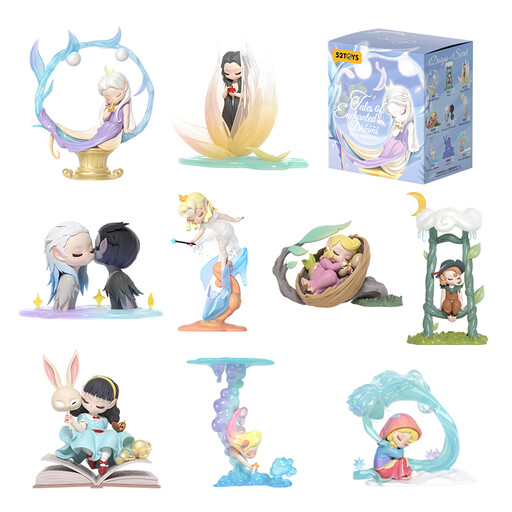
Why it's a great fit: Blind boxes appeal to the thrill of the hunt and the joy of collecting. Each box contains a random figure from a series, which is a key part of the appeal. These figures are small, detailed, and perfect for display.
The value here lies not in interaction but in collecting and aesthetics. The quality is geared towards display, and the surprise element is an intentional feature, not a misleading representation.
High collectible value and surprise factor. The series includes multiple designs, including a rare "secret" figure, which encourages continued collecting.
We have compiled a complete, up-to-date list of products that fully meet these strict selection criteria and European safety regulations.
The CE marking is not a quality seal but a manufacturer's declaration of conformity. With it, the manufacturer confirms that the product meets the applicable safety, health, and environmental protection requirements of the European Union. This is particularly important for toys, as there are strict standards (e.g., EN 71) regarding mechanical properties and chemical substances.
Always check the care label first. Many modern plush toys are machine-washable at 30°C on a gentle cycle. It's best to use a laundry bag to protect the material. If machine washing is not permitted, you can gently wipe the surface with a damp cloth and mild soap. Afterwards, let the toy air-dry completely to prevent mould from forming inside.
Most collectible figures and blind boxes contain small parts and are therefore unsuitable for children under 3 years of age, according to manufacturer specifications. The recommended age is often 8, 12, or even 15 years and up, depending on the complexity and theme of the figures. They are often aimed at an older target audience of teenagers and young adults who enjoy collecting and displaying them.