
Lieferung heute & morgen

Qualitätsgarantie

Willkommens-Angebote freischalten: KOSTENLOSE Lieferung | Bis zu 80 % RABATT | Kostenlose 30-Tage-JoyPlus-Testphase
App herunterladen
Well-groomed nails are a detail that significantly contributes to your overall appearance. A key tool for at-home manicures and pedicures is a high-quality cuticle pusher and nail cleaner. However, the market is flooded with products of widely varying quality. Many buyers invest in instruments that quickly prove to be unusable. This guide highlights the most common purchasing pitfalls and explains the objective criteria you should look for when making your selection.
When purchasing manicure tools, overlooked flaws often lead to disappointment. Two problems are particularly common and should be considered before you buy.
To avoid the problems mentioned above, you should base your purchasing decision on three fundamental product characteristics. These define a durable and safe professional manicure tool.
The material is the most important factor for durability and hygiene. A high-quality stainless steel nail instrument is the foundation for safe use. Look for the rust-free stainless steel specification. This material offers several advantages:
A good tool should feel secure in your hand and allow for precise control. Look for the following features:
Comprehensive nail care typically requires two functions: cleaning under the nails and pushing back the cuticles. A dual-ended manicure instrument combines both tools in one. This is not only space-saving and practical for storage but also more efficient to use. You always have the right tool at hand without having to switch between different instruments.
Based on the criteria above, we have identified products that are suitable for specific user profiles.
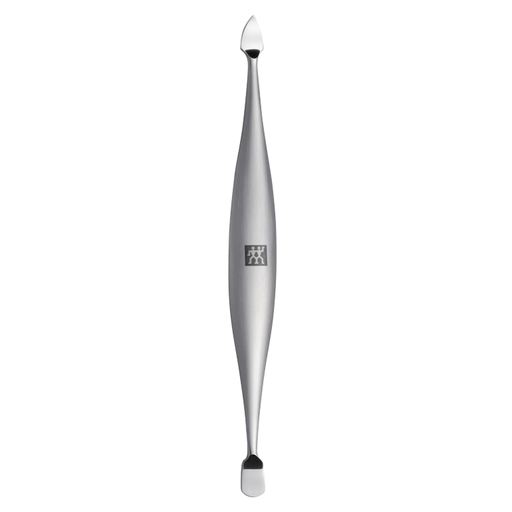
Why This Fits Their Persona: Ideal for users seeking a durable, precise, and multifunctional tool for a professional-level manicure at home. It is viewed as a long-term investment in their personal care routine.
Crafted from matte, rust-free stainless steel, it prevents corrosion and allergic reactions. The precisely shaped tips minimise the risk of injury and ensure effective use.
Combines a cuticle pusher and a nail cleaner in a single nail care tool. The matte surface provides a secure grip and control.
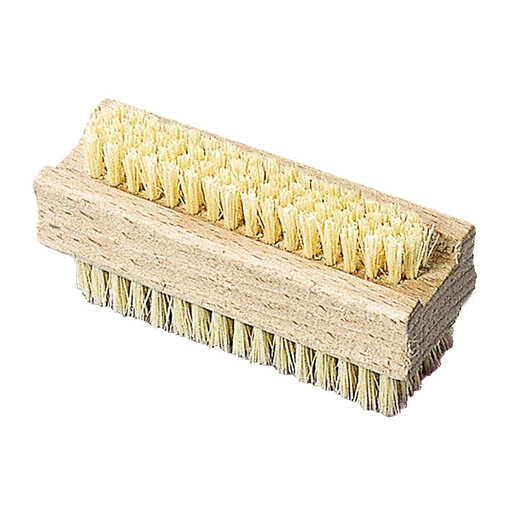
Why This Fits Their Persona: Suitable for individuals whose main focus is on the thorough, daily cleaning of hands and nails, for example after gardening or manual work.
Made with a solid wood body and durable bristles, it offers an alternative to short-lived plastic brushes. The product is specialised for one clear function: effective cleaning.
A double-sided design allows for versatile cleaning of both the nail surface and underneath the nail. The use of natural materials appeals to eco-conscious buyers.
We have curated a selection of nail care instruments chosen for their objective quality features and material standards.
After each use, the instrument should be cleaned with a soft cloth to remove any residue. For disinfection, it can be wiped with medical-grade alcohol (at least 70%). Store the tool in a dry place to maintain its material quality over the long term.
A cuticle pusher is a mechanical tool used to physically push back the cuticle. A cuticle remover, on the other hand, is typically a liquid or gel that is applied to soften and partially dissolve the cuticle. Usually, the remover is applied first, and after a short time, the softened cuticle is gently pushed back with the pusher.
If used improperly, there is a risk of damaging the nail bed or the nail matrix (the area where the nail grows). Only use the tool on previously softened cuticles (e.g., after a bath or after applying a cuticle remover). Apply only light pressure and gently push the skin back, rather than scratching or cutting it.