
Lieferung heute & morgen

Qualitätsgarantie

Willkommens-Angebote freischalten: KOSTENLOSE Lieferung | Bis zu 80 % RABATT | Kostenlose 30-Tage-JoyPlus-Testphase
App herunterladen
A good cutting board is the foundation of any kitchen. But the selection is vast, and many products promise more than they deliver. An unsuitable board can not only ruin expensive knives but also diminish the joy of cooking and pose hygiene risks. As your Joybuy Product Recommendation Officer, I'll help you separate the wheat from the chaff and find a board that truly fits your needs.
Before you make a decision, you should know the three most common pitfalls that lead to a bad purchase:
To avoid a bad purchase, focus on the objective features that determine a cutting board's practical utility.
The material is the most important decision. Each has specific pros and cons that make it suitable for different applications.
The dimensions and extra features determine how practical a kitchen board is in daily use.
Here are some recommendations tailored to specific use cases that avoid the pitfalls mentioned above.
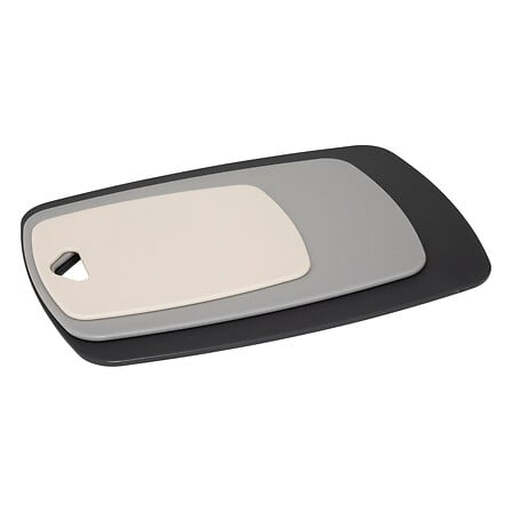
Why this product is a great fit: This set offers a pragmatic solution for daily kitchen tasks. With three different sizes, you are equipped for various jobs and can hygienically separate food groups (e.g., meat and vegetables) without breaking the bank.
It bypasses the hygiene trap by allowing the boards to be easily cleaned in the dishwasher and dedicated to different foods, which minimises cross-contamination.
Practical set with three sizes for versatile use; easy-care and durable polypropylene material.

Why this product is a great fit: Ideal for demanding tasks like carving roasts or preparing large quantities of vegetables. The generous surface area and juice groove provide the necessary functionality for clean and efficient prep work.
It solves the problem of lacking functionality with its thoughtful combination of a large format and an integrated juice groove, which makes working with juicy foods easier.
Large format (45 x 30 cm) with a practical juice groove; knife-friendly and durable bamboo surface.
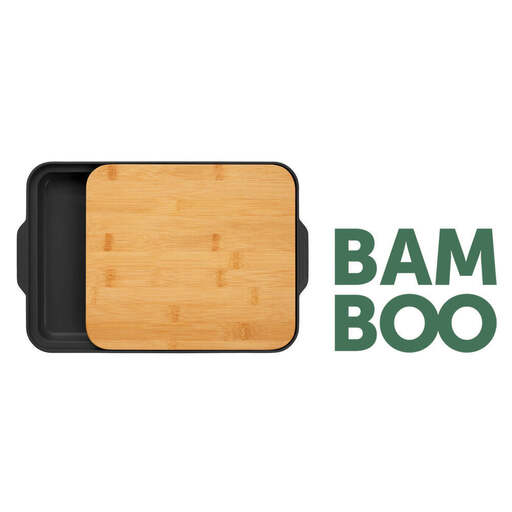
Why this product is a great fit: Perfect for cooks who appreciate a clean and organised workflow. Chopped ingredients can be slid directly from the board into the collection tray below, which speeds up preparation and keeps the work surface clean.
Offers a clever solution to the functionality problem. Instead of a messy work surface, the system allows for a seamless transition from cutting to collecting ingredients.
Integrated system of a bamboo cutting board and collection tray for maximum efficiency and cleanliness; knife-friendly surface.
We have compiled a complete, up-to-date list of products that meet these strict selection criteria and applicable regulations.
A wooden cutting board should never be put in the dishwasher or soaked in water for extended periods. Clean it by hand after use with warm water and a small amount of mild dish soap. Dry it thoroughly with a cloth immediately and store it in a well-ventilated area. To keep the wood supple and prevent cracking, it is recommended to regularly (about once a month) treat the board with a food-safe mineral oil or special wood conditioning oil.
Wooden boards, especially end-grain boards (where the wood fibres are perpendicular to the cutting surface), are considered the gentlest option for high-quality knives. The knife blade sinks between the fibres, which then close up slightly after the cut. Softer plastics are also relatively knife-friendly, but they are prone to deeper cuts under heavy use. Materials like glass, marble, slate, or stainless steel should be avoided for cutting tasks, as their extreme hardness will quickly dull knife blades.
For hygiene reasons, it is advisable to use at least two cutting boards. One should be used exclusively for raw meat, poultry, and fish, while the other is reserved for ready-to-eat foods like fruit, vegetables, bread, and cheese. A cutting board set, often with different colours or symbols, is an excellent solution to ensure consistent separation and minimise the risk of cross-contamination.