
Lieferung heute & morgen

Qualitätsgarantie

Willkommens-Angebote freischalten: KOSTENLOSE Lieferung | Bis zu 80 % RABATT | Kostenlose 30-Tage-JoyPlus-Testphase
App herunterladen
A good cutting board is a cornerstone of any kitchen. However, the market is flooded with products whose marketing promises often create more confusion than clarity. Many buyers invest in boards that quickly warp, dull their knives, or prove to be unhygienic. As your Joybuy Product Recommendation Officer, I'm here to help you navigate these pitfalls and make an informed decision.
Before we explore the ideal features, let's identify the most common problems that lead to a poor purchase.
To avoid a bad buy, focus on three verifiable criteria: material, construction, and functional details.
The material is the most important decision, influencing hygiene, durability, and the sharpness of your knives.
A thoughtful design makes your work significantly easier.
Here are some recommendations tailored to different needs and kitchen habits.
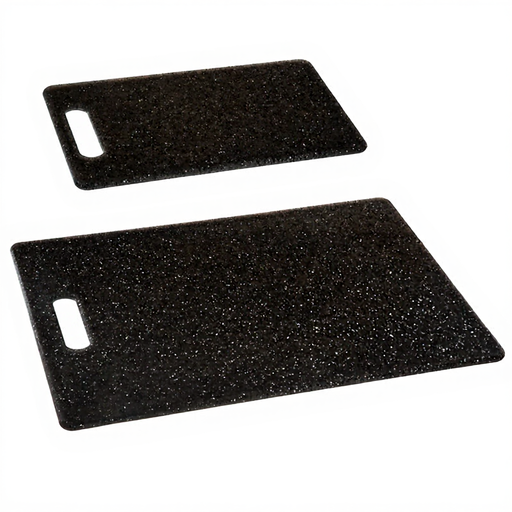
Why This Fits Their Persona: This set is ideal for anyone seeking a straightforward, functional solution. The two boards allow for easy separation of food types, and the material is low-maintenance—perfect for a fast-paced kitchen routine.
The polypropylene (PP) material is non-porous and won't soak up water, which minimises the risk of warping. It makes no exaggerated marketing claims, relying instead on proven material properties.
Easy to clean and moisture-resistant. The set offers excellent value for money and flexibility for various cutting tasks.

Why This Fits Their Persona: For chefs who value high-quality tools. This board combines a knife-friendly surface with an appealing aesthetic and practical details that make a difference during frequent use.
The material's thickness and the dense bamboo wood resist warping. Instead of gimmicks, the design focuses on proven features like the juice groove and reversible usability.
The bamboo surface is gentle on high-quality knife blades. The integrated juice groove and generous surface area make it highly versatile.
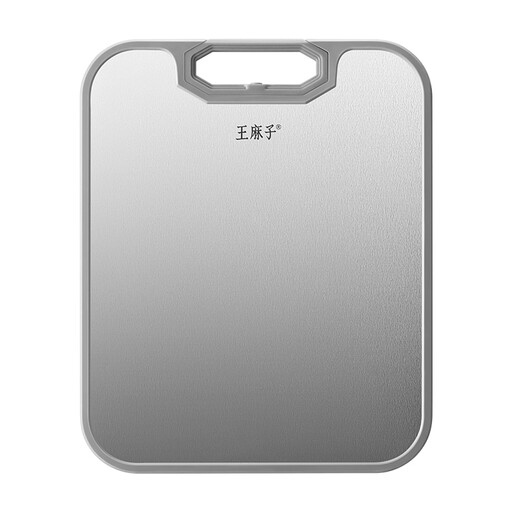
Why This Fits Their Persona: Ideal for users who prioritise maximum hygiene and a clear separation of food types. The double-sided design offers a logical and safe solution for preparing different ingredients on a single board.
Instead of a vague "antibacterial" coating, this board relies on the demonstrably non-porous and easy-to-disinfect surface of stainless steel. This is a physical property, not a chemical treatment that wears off.
The double-sided design with stainless steel for meat/fish and plastic for vegetables prevents cross-contamination. The stainless steel surface is extremely durable, rust-proof, and does not absorb odours.
We have compiled a complete, up-to-date list of products that fully meet these strict selection criteria and German safety regulations.
1. How do you properly care for a wooden cutting board? Clean a wooden board immediately after use with warm water and mild soap. Dry it thoroughly with a cloth right away and store it upright to allow air to circulate. Never put it in the dishwasher. To prevent the wood from drying out, rub it with a food-safe mineral oil every few weeks.
2. Which material is the most gentle on knives? Wood, especially end grain, is considered the most gentle material for high-quality knife blades. The wood fibres give way slightly under the pressure of the blade, which protects the edge. Softer plastics are also a good alternative, while hard materials like glass, granite, or ceramic should be avoided.
3. When should you replace a cutting board? A plastic board should be replaced when it has deep grooves and knife marks that can no longer be cleaned properly. Bacteria can accumulate in these grooves. A wooden board can last a very long time with proper care. However, if it develops cracks, becomes severely warped, or permanently retains odours, it's time for a replacement.