
Lieferung heute & morgen

Qualitätsgarantie

Willkommens-Angebote freischalten: KOSTENLOSE Lieferung | Bis zu 80 % RABATT | Kostenlose 30-Tage-JoyPlus-Testphase
App herunterladen
By: Joybuy Product Recommendation OfficerDate: August 28, 2026
A good cutting board is the cornerstone of any kitchen. But the market is overwhelming and full of marketing promises that often cost more than they deliver. Before you make a decision, it's crucial to understand the most common pitfalls that lead to frustration and unnecessary expense.
To make an informed choice, focus on objective criteria instead of advertising slogans. The following two points are crucial for the functionality and longevity of your new kitchen board.
The choice of material significantly impacts hygiene, knife-friendliness, and maintenance. Each material has specific pros and cons.
Besides the material, practical details determine how useful a board is in daily life.
Here are some recommendations tailored to specific user profiles that avoid the pitfalls mentioned.
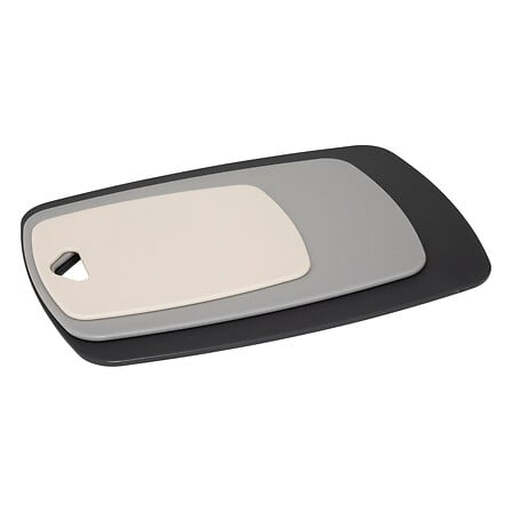
Why This Fits Their Persona: This set is ideal as a starter kit for students or households looking for a simple and hygienic solution. The different sizes and colours allow for a clear separation of foods (meat, vegetables, bread) and cover all basic cutting tasks.
Instead of relying on a single board with a questionable coating, this cutting board set solves the hygiene problem by separating the boards. The material is non-porous and makes no unproven "antibacterial" promises.
A practical set with three sizes for different tasks. The polypropylene material is easy to clean and generally dishwasher-safe.

Why This Fits Their Persona: Those who cook frequently and with passion need space and functionality. This large bamboo board offers a robust work surface for preparing entire meals. The integrated juice groove makes it the perfect carving board for roasts or poultry.
The board is made of solid bamboo, a hard yet knife-friendly material. It bypasses the pitfall of boards that dull knives. With proper care, the solid construction is resistant to warping.
Generous work surface (45 x 30 cm), integrated juice groove, and reversible use for maximum hygiene and functionality.
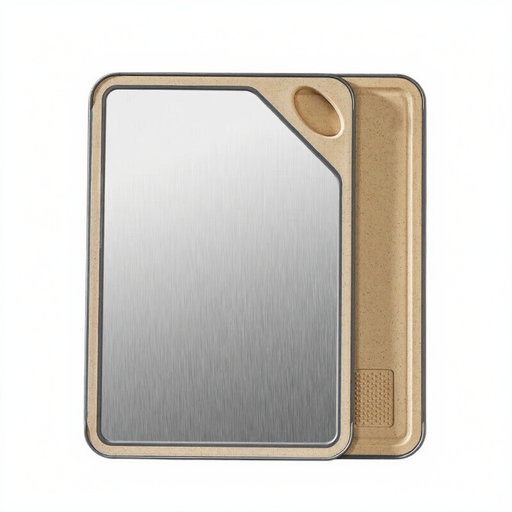
Why This Fits Their Persona: For anyone who values maximum hygiene and a modern design. This board combines the advantages of two materials, allowing for a strict separation between raw meat/fish and plant-based foods.
The board relies on the proven hygienic properties of 304 stainless steel (non-porous, rust-proof, easy to clean) instead of on coatings that wear off. The wheat straw side is gentle on knives and avoids the disadvantages of a pure stainless steel board.
Reversible design for optimal hygiene. The stainless steel side is ideal for meat, the wheat straw side for vegetables. Easy to clean and resistant to odours.
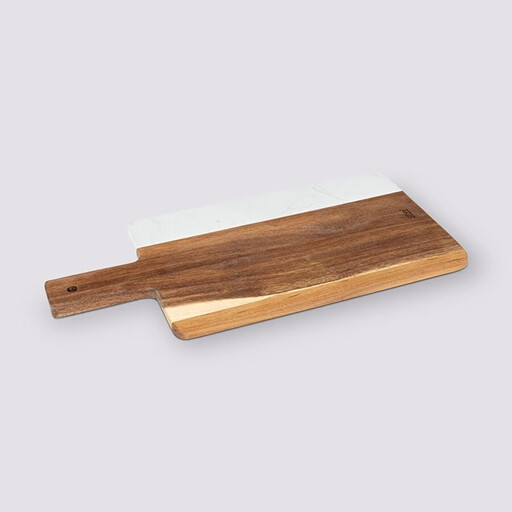
Why This Fits Their Persona: This board is more than just a kitchen tool; it's a stylish accessory. Perfect for arranging and serving cheese, charcuterie, or antipasti. The elegant look of acacia wood makes it a showstopper on any table.
Instead of focusing on short-lived trends, this board centres on the timeless aesthetic and proven quality of acacia wood. It serves as both a functional kitchen board and a decorative serving board or cheese board.
Multifunctional for use as both a cutting and serving board. The attractive grain of the acacia wood enhances any table setting.
We have compiled a complete, up-to-date list of products that fully meet these strict selection criteria.
This is a frequently debated topic. Plastic boards are non-porous and can be cleaned at high temperatures in the dishwasher, making them very hygienic. However, bacteria can settle in deep grooves from cuts. Wooden boards, especially those made of hardwood, have natural antibacterial properties due to the tannins they contain. Studies have shown that bacteria survive less effectively on wood surfaces than on plastic. For any material, the most crucial factors for hygiene are immediate cleaning after use and timely replacement when heavily worn.
A cutting board should be replaced as soon as it has deep grooves, cuts, or cracks that can no longer be easily cleaned. For plastic boards, this is the case when the surface is heavily scratched. Wood or bamboo boards should be replaced if they develop cracks or warp so much that they no longer lie flat on the work surface. With proper care, a high-quality wooden board can last for many years.
No. Wood and bamboo boards should never be put in the dishwasher. The combination of high heat, aggressive detergents, and prolonged exposure to water will cause the material to swell, warp, and crack. Always clean your wood or bamboo board by hand with warm water and a mild dish soap, and then dry it thoroughly immediately.