
Lieferung heute & morgen

Qualitätsgarantie

Willkommens-Angebote freischalten: KOSTENLOSE Lieferung | Bis zu 80 % RABATT | Kostenlose 30-Tage-JoyPlus-Testphase
App herunterladen
Choosing the right cutting dies can be a make-or-break decision for any creative project. Whether you're designing custom cards, creating a detailed scrapbook album, or crafting decorative paper elements, the right shape is the foundation for a polished result. However, with the vast array of designs, sizes, and types available, finding the perfect tool isn't always straightforward.
This guide is here to help. We'll introduce different types of dies, offer practical selection tips, and present a curated selection of products suited for various applications. Our goal is to provide you with an objective basis for your purchasing decision.
To purchase the right die cuts, there are a few key criteria to consider. These will help ensure the functionality and longevity of your tools.
Most thin metal cutting dies on the market are compatible with standard manual die-cutting machines. Nevertheless, it's wise to check the maximum width of the dies against the opening width of your machine. Also, pay attention to the recommended paper weight. While standard craft paper (approx. 120–240 gsm) is usually processed without issue, thicker materials like cardstock or felt may require special, more robust dies and an adjustment of the plate pressure.
Before buying, consider what you'll primarily use the die for. Are you looking for basic shapes like circles or squares, or do you need specific designs for themed projects? Dies for card making often include sentiments, frames, and seasonal symbols. For albums, versatile scrapbooking accessories like tags, borders, or alphabet dies are particularly practical. Floral designs, such as flower cutting dies, are universally versatile and add an elegant touch to many projects.
It's important to distinguish between cutting dies and embossing folders.
Some thin cutting dies can also be used for light embossing when paired with a soft embossing mat, but their primary function remains cutting.
Here is a curated selection of cutting dies that stand out for their versatility in paper crafting.
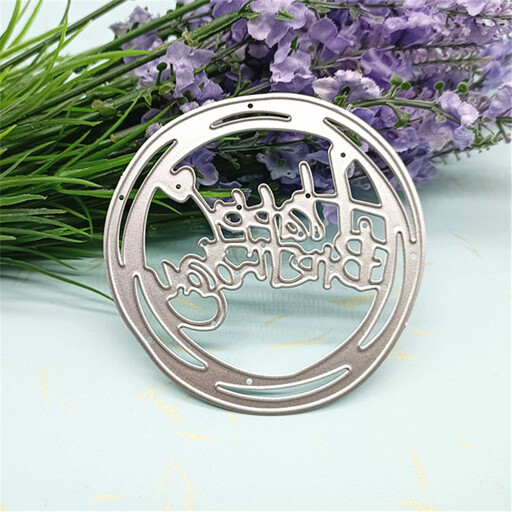
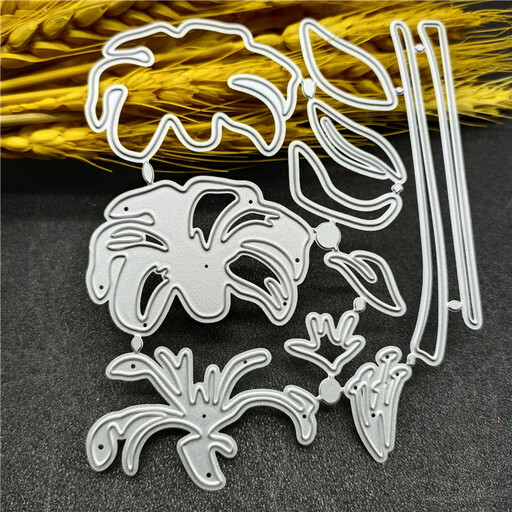
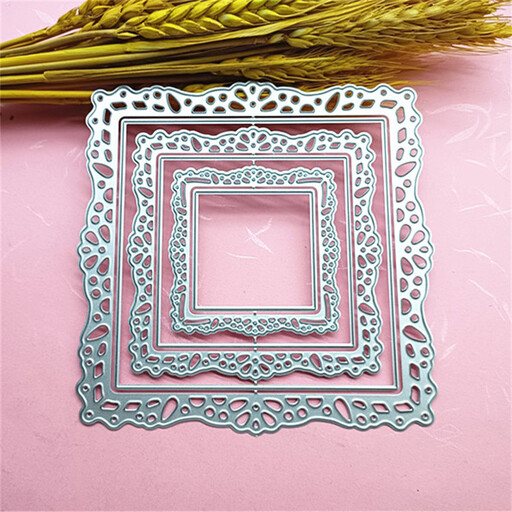
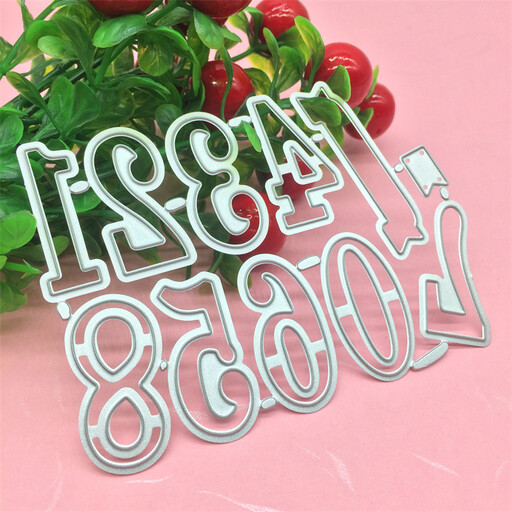
The products featured here cover some of the most common applications. However, creativity knows no bounds. If you're looking for more designs, specific themes, or complementary accessories, you'll find a wider selection in our range.
Explore our entire collection of creative materials in the Paper Craft category.
Cutting dies, also known as dies or die cuts, are thin metal shapes with a cutting edge that precisely cut designs from paper or other thin materials. Embossing folders, on the other hand, are typically thicker plastic folders with an integrated pattern. They don't cut the material but rather impress it under pressure to create a raised, three-dimensional design.
Most thin metal dies are designed for use with common manual die-cutting machines (e.g., from Sizzix, Spellbinders, or Vaessen Creative). However, it is always recommended to check the machine manufacturer's compatibility notes, especially for very large or thick dies. The correct arrangement of the plates ("sandwich") is crucial for a clean cutting result.
To protect and organise your dies, magnetic storage sheets or folders are ideal. The metal dies adhere to them, preventing them from bending and keeping them readily accessible. This also protects the fine cutting edges from damage and ensures a longer lifespan for your tools.