
Lieferung heute & morgen

Qualitätsgarantie

Willkommens-Angebote freischalten: KOSTENLOSE Lieferung | Bis zu 80 % RABATT | Kostenlose 30-Tage-JoyPlus-Testphase
App herunterladen
For paper crafting enthusiasts, finding the right tools is a key part of the creative process. High-quality cutting dies allow you to create precise and repeatable designs for card making, scrapbooking, or other decorations. However, with the vast selection of motifs and shapes available, making a choice can be overwhelming.
This guide is here to help. We'll introduce you to a selection of cutting dies and provide objective criteria to assist you in choosing the right ones for your next paper crafting projects.
Before you decide on new designs, a few basic considerations can ensure the functionality and longevity of your tools.
Most commercially available cutting dies are made of thin metal, typically carbon steel. This material is known for its durability and its ability to produce clean cuts in paper, cardstock, and other thin materials. Make sure the metal dies are compatible with your existing die-cutting and embossing machine. Many dies are designed as universal Big Shot accessories but will also fit machines from other manufacturers. It's a good idea to quickly check the die's dimensions against the maximum pass-through width of your machine.
The intended creative use will determine your choice of design. Consider which projects you primarily want to create:
It's important to know the difference between cutting dies and embossing folders. While cutting dies completely sever the material to cut out a shape, embossing folders create a raised, three-dimensional pattern on the paper without cutting it. Some thin metal dies can also be used for embossing with a special rubber mat, which expands their versatility.
Here is a curated collection of cutting dies that stand out for their specific designs and applications.
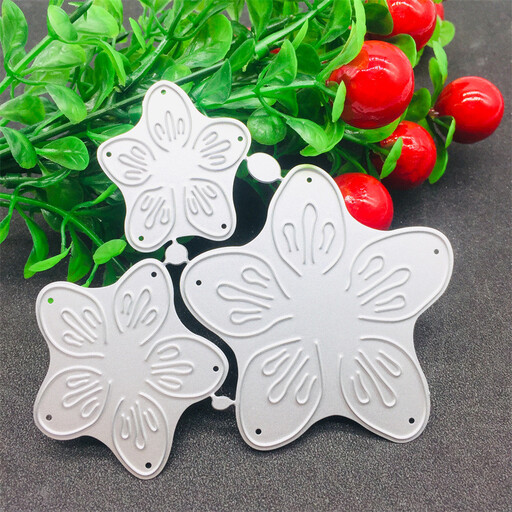
What makes this product stand out: This set includes a variety of intricate flower and leaf shapes. The individual elements can be used separately or combined into complex floral arrangements, allowing for a high degree of creative flexibility.
Pros:
Who it's for: For crafters who enjoy creating romantic and nature-inspired projects like wedding cards, birthday greetings, or decorative elements for scrapbooking.
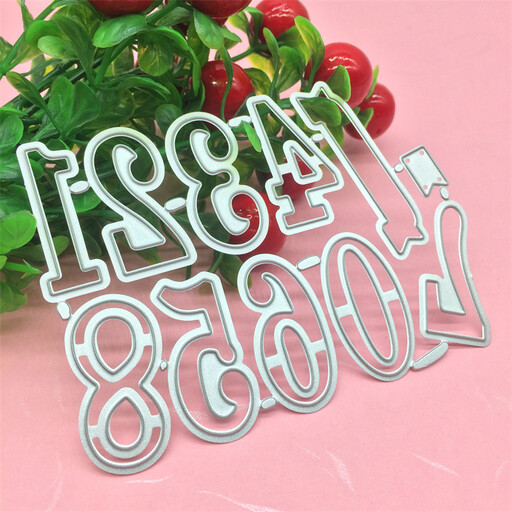
What makes this product stand out: This set includes the entire alphabet in uppercase letters as well as the digits 0 through 9. The classic font makes it a versatile tool for personalising crafts.
Pros:
Who it's for: For anyone who wants to personalise their projects, whether for banners, album titles, or monograms. A foundational set for every paper crafter.
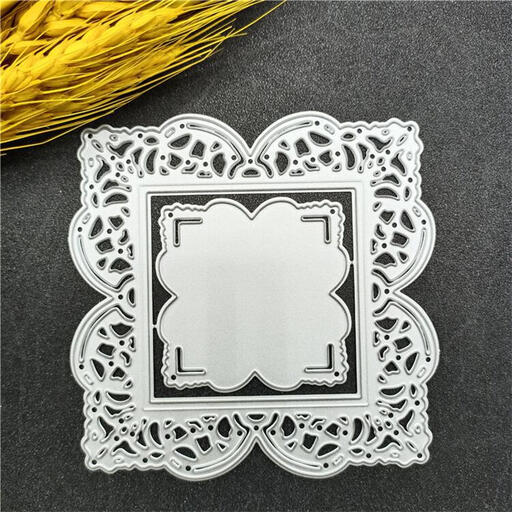
What makes this product stand out: This die is designed to cut decorative borders or full-coverage background patterns. It can be used to enhance cards or to visually separate layers in a scrapbook layout.
Pros:
Who it's for: For creatives who want to add professional structure and depth to their projects. Especially useful for giving plain cardstock an interesting texture.

What makes this product stand out: Unlike purely decorative dies, this set allows for the construction of a small, three-dimensional gift box. It includes all the necessary die-cut pieces, complete with score lines for easy assembly.
Pros:
Who it's for: For crafters who enjoy making gifts that are both practical and personal. Perfect for small tokens, party favours, or money holders.
Our featured selection covers only a small fraction of the creative possibilities. If you're looking for other shapes, themes, or special tools for your projects, you can find a broader overview in our category.
? Discover the entire range of Stamps & Dies here
Cutting dies are metal shapes with a sharp edge used to completely cut through paper and other materials to create a specific shape. Embossing folders, on the other hand, are typically plastic folders with an embedded pattern. The paper is placed between the two sides and run through the machine, which presses a raised, relief pattern into the paper without cutting it.
To use thin metal dies, you need a manual or electric die-cutting and embossing machine. Common models include the Sizzix Big Shot, the Provo Craft Cuttlebug, or the Spellbinders Platinum. Most dies are compatible with standard machines on the market, but it is advisable to check the maximum working width of your machine.
After use, small paper scraps can get stuck in the intricate parts of the die. These can be carefully removed with a piercing tool, a stiff brush, or by applying and peeling off a piece of tape. For storage, magnetic sheets or special storage folders are suitable. This prevents the dies from getting lost or scratching each other and keeps them well-organised.