
Lieferung heute & morgen

Qualitätsgarantie

Willkommens-Angebote freischalten: KOSTENLOSE Lieferung | Bis zu 80 % RABATT | Kostenlose 30-Tage-JoyPlus-Testphase
App herunterladen
Choosing the right cutting dies can be crucial for creating custom cards, scrapbook pages, or decorations. With a vast array of motifs, materials, and designs available, finding the right tool for your specific project can often be a challenge. This guide serves as a reference, presenting objective criteria to help you make your selection, along with a curated list of products for common use cases.
To make an informed decision, it's helpful to consider a few fundamental aspects. These criteria will help you evaluate the functionality and durability of metal cutting dies.
Most high-quality cutting dies are made of carbon steel. This material is known for its durability and its ability to deliver clean, precise cuts even with frequent use. A critical factor is the die's compatibility with your existing die-cutting machine. Before purchasing, check the die's dimensions and the machine manufacturer's specifications to ensure they work together. The thickness of the die (often referred to as "thin dies" or "wafer-thin dies") is typically compatible with most common manual die-cutting and embossing machines.
Consider which projects you will primarily use the die for. Are you looking for versatile basic shapes, seasonal motifs, or specific sentiments?
Cutting dies vary greatly in their complexity. Intricate designs with fine lines and small cut-outs can produce impressive results, but they often require more care in the "weeding" process—removing the small paper pieces after die-cutting. Simpler, larger-area designs are quicker to process and are well-suited for beginners or for projects requiring many identical pieces. Some dies feature small holes that make it easier to release the paper with a piercing tool.
Here is a selection of cutting dies that are well-suited for various craft projects due to their specific features.
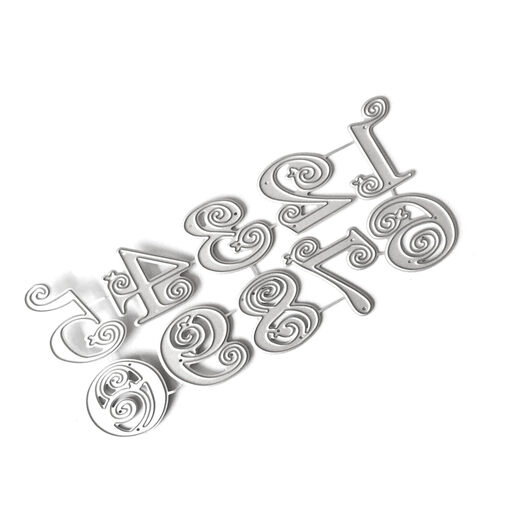
Why it stands out: This set provides all digits from 0 to 9 in a clean, highly legible font. The carbon steel construction promises high durability and precise cutting results on various types of paper.
Advantages:
Who it's for: This set is ideal for crafters who regularly create personalised cards or scrapbook layouts for date-related occasions like birthdays, anniversaries, or New Year's.
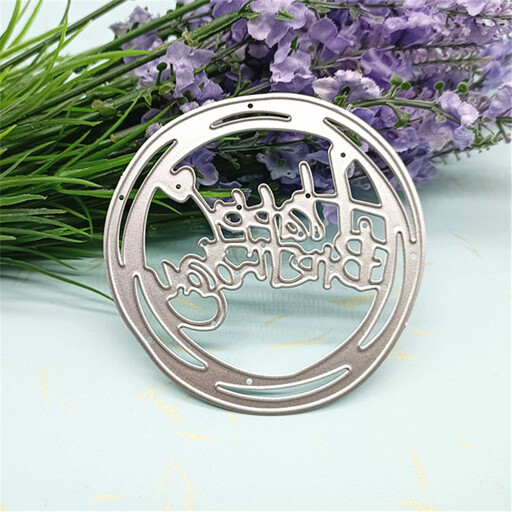
Why it stands out: A classic "Happy Birthday" sentiment is a fundamental element for card making. This model features an elegant, cursive script that gives cards an appealing, high-end look.
Advantages:
Who it's for: A great choice for anyone who frequently makes birthday cards and wants a reusable, professional-looking sentiment that can serve as the card's focal point.
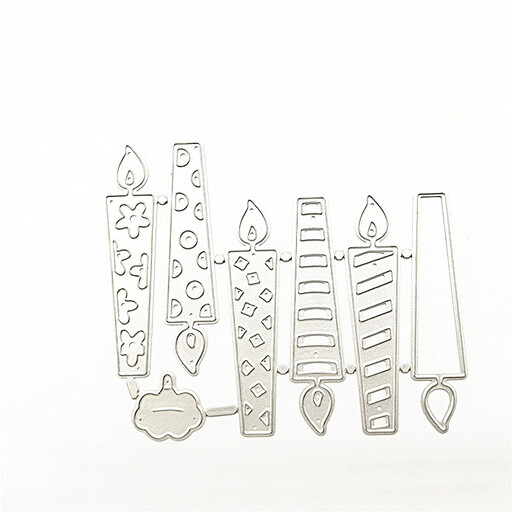
Why it stands out: This die offers a detailed candle motif that is suitable not only for cutting but also for embossing. By using an embossing mat in the die-cutting machine, the die can create a relief-like texture in the paper without cutting through it.
Advantages:
Who it's for: Users who enjoy experimenting with textures and want to add an extra tactile and visual layer to their paper projects with fine, embossed details.
If you haven't found the perfect design for your next project in this selection, there is a much wider variety to explore. From floral patterns and animal motifs to complex geometric frames, the market offers a broad range for every taste and occasion.
Discover our entire range of crafting dies
Cutting dies are typically thin metal shapes with a sharp edge designed to cut motifs completely out of paper or other thin materials. Embossing folders, on the other hand, are usually thicker plastic folders with a raised and a recessed pattern. The paper is placed between the two sides and run through the machine to press a relief-like pattern into the paper without cutting it. Some metal cutting dies can also be used for embossing with a special rubber mat.
Yes, to use metal cutting dies, a manual or electric die-cutting and embossing machine is required. These machines generate the necessary pressure to press the die's sharp edge through the paper. Most machines available on the market are compatible with common thin cutting dies. Nevertheless, it is advisable to check the machine manufacturer's compatibility information.
To ensure the longevity of your dies, you should clear them of small paper scraps after use. A piercing tool (pick tool) or a stiff brush can help remove stubborn particles from intricate areas. For storage, magnetic sheets or special binders are suitable for keeping the dies flat and organised. This prevents them from bending or getting lost.