
Lieferung heute & morgen

Qualitätsgarantie

Willkommens-Angebote freischalten: KOSTENLOSE Lieferung | Bis zu 80 % RABATT | Kostenlose 30-Tage-JoyPlus-Testphase
App herunterladen
As a Joybuy Product Recommendation Officer, I see countless products every day. My job is to provide you with objective and practical buying advice so you can make the right decisions for your creative projects. When it comes to cutting dies, the selection is enormous, but not every product lives up to its promise. Before you invest your money in new designs, you should be aware of the common pitfalls that often lead to disappointment.
Many crafters know the feeling: you order a promising cutting die, but the result is unsatisfying. It often comes down to one of these three issues:
An informed choice protects you from these problems and ensures that your scrapbooking supplies fuel your creativity instead of holding it back.
To ensure you're purchasing high-quality and compatible metal cutting dies, you should check three technical features.
Most solid-quality cutting dies are made of carbon steel. This material offers a good balance of hardness for a durable cutting edge and flexibility to prevent breaking. Pay attention to the material thickness specified in the product details. A standard thickness of approx. 0.8 mm is compatible with most common die-cutting and embossing machines. Thinner dies can bend with complex designs, while dies that are too thick may not fit through your machine.
Every die-cutting machine has a maximum pass-through width. Measure the width of your plates before buying die cuts. Compare this measurement with the dimensions of the cutting die, which should be listed in the product description. This is especially important for large background dies or wide borders. Knowing the correct "sandwich" combination (the stack of plates, paper, and die) for your machine is also crucial for a clean result when crafting with a die-cutting machine.
Distinguish between simple outline dies and complex, intricate designs.
Here are some recommendations tailored to different projects and user profiles.
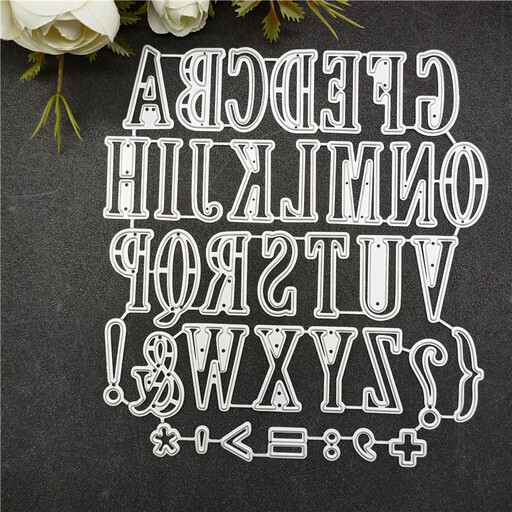
Why This Fits Their Persona: Ideal for crafters who are just starting out and looking for maximum versatility. A complete alphabet set allows you to create names, greetings, and custom messages for cards, gift tags, and scrapbook pages. It's a foundational investment that can be reused for countless projects.
This set bypasses the trap of incomplete design sets. You get all 26 capital letters at once and don't have to buy individual letters later to form words.
Offers high flexibility for personalised projects. The clear, simple shapes of the letters generally ensure clean cuts, even for beginners.
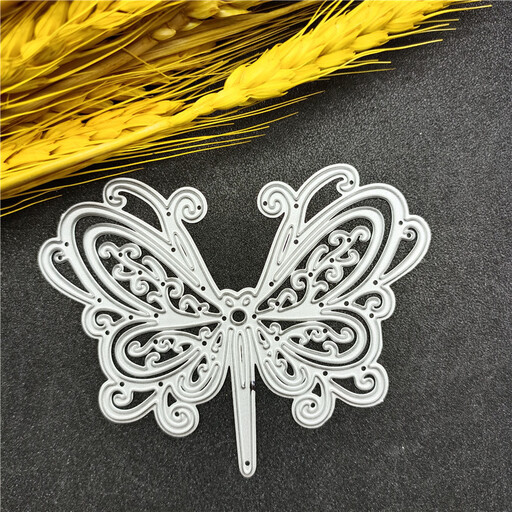
Why This Fits Their Persona: Perfect for crafters who specialise in cutting dies for card making and are looking for an elegant, intricate design. A single, detailed butterfly can serve as the centrepiece of a greeting card, giving it a high-end look.
The design focuses on a single, well-defined motif. This reduces the risk of unclean cuts that can occur with cluttered, poorly constructed dies that have too many small parts.
The intricate wing pattern can also be used as an embossing stencil when the appropriate mats are used. The design is timeless and suitable for many occasions (birthdays, spring, sympathy).
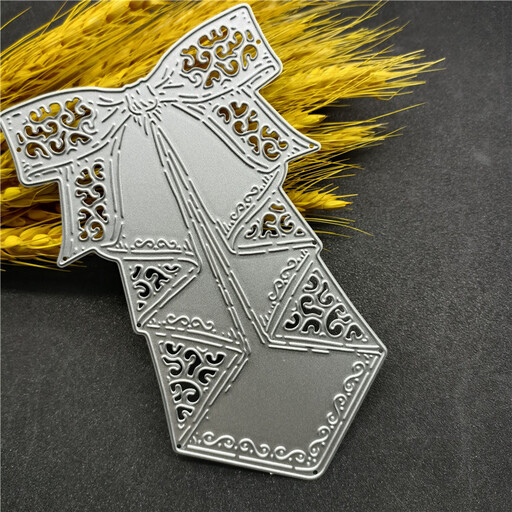
Why This Fits Their Persona: Scrapbookers often need large, yet subtle, backgrounds to showcase photos and other elements. This background die creates a textured base for an entire layout page without distracting from the main subject. It's a workhorse for creating consistent designs.
By covering a large area with a single cut, it avoids the tedious and often messy process of piecing together smaller borders. The dimensions are clearly defined, so compatibility with your machine can be checked before purchase.
Quickly and efficiently creates professional-looking backgrounds. The die-cut pattern can be used as an overlay, while the negative space can be used as a stencil for colouring techniques.
We have compiled a comprehensive, up-to-date list of products that fully meet these strict selection criteria.
No. Compatibility mainly depends on the width of the die and the maximum pass-through width of your machine. Common machines like the Sizzix Big Shot have a width of about 6 inches (approx. 15 cm). Larger machines for A4 formats offer more flexibility. Always check the die's dimensions listed in the product details and compare them with your machine's specifications.
After use, small paper scraps can get stuck in the intricate parts of the die. These are best removed with a small piercing tool or a stiff brush. To prevent rust, dies should be stored dry. Magnetic storage sheets or special folders are ideal for keeping your dies organised and protected.
Cutting dies are thin metal shapes with a raised cutting edge designed to cut completely through paper and other materials. Embossing folders, on the other hand, are typically thicker plastic folders with a positive and negative relief. The paper is placed between them and run through the machine to press a three-dimensional pattern into the paper without cutting it. Some thin cutting dies can also be used for embossing with a special rubber mat.