
Lieferung heute & morgen

Qualitätsgarantie

Willkommens-Angebote freischalten: KOSTENLOSE Lieferung | Bis zu 80 % RABATT | Kostenlose 30-Tage-JoyPlus-Testphase
App herunterladen
For many creatives, cutting dies are an indispensable tool for giving paper projects like card making or scrapbooking a professional and personal touch. The market is flooded with options, but not every product delivers on its promise. Poor purchasing decisions often lead to frustration, imperfect results, and unnecessary expenses. This guide will help you identify the most common pitfalls and find the right cutting dies for your projects.
Before you invest in new designs, you should familiarise yourself with the typical problems that can arise with low-quality or unsuitable products.
To avoid the problems mentioned above, you should pay attention to a few technical features when choosing your next cutting dies. These are crucial in determining the longevity and quality of your craft results.
The quality of a cutting die is directly linked to the material used. Look for products made from Carbon Steel. This material is robust, resistant to warping, and retains its sharpness even after frequent use. Good craftsmanship is also evident in the details: clean, smooth edges on the die itself are an indicator of precise manufacturing. Some dies have small holes that make it easier to release the die-cut paper with a tool—a small but very useful detail for complex paper crafting.
Always check the exact dimensions of the cutting die before purchasing and compare them with the specifications from your die-cutting machine's manufacturer. Most sellers indicate which popular machines their products are compatible with. This is especially important if you are looking for specific Big Shot dies or shapes for other brand models. In addition to pure cutting dies, there are also embossing folders, which give the paper a three-dimensional texture. Here, too, compatibility is key.
Consider which projects you primarily want to use the dies for. Are you looking for a versatile die set to get started, special floral dies for botanical decorations, or an alphabet die set for personalisation? For card making, frame and border dies are often a great foundation, while for scrapbooking accessories, themed designs and words are also relevant.
To make your decision easier, we have matched some products based on typical user profiles.
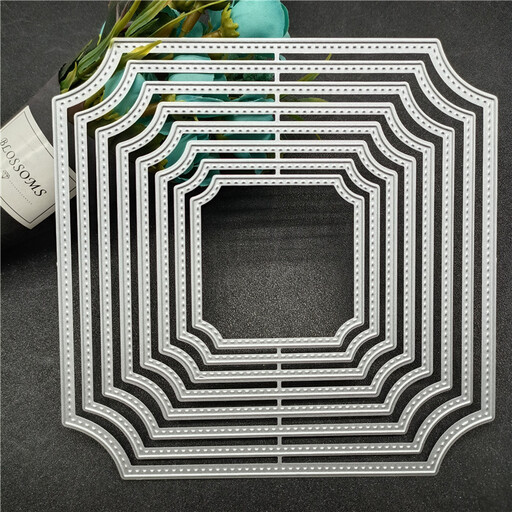
Why This Fits Their Persona: This set offers a selection of frames in various sizes and shapes. It's ideal for beginners looking for a versatile foundation for creating greeting cards, tags, or scrapbook pages without having to commit to a specific theme right away.
The set consists of basic yet elegant frames that are universally applicable. It avoids the trap of impractical sets filled with too many small, unusable pieces.
The nesting frames allow you to create mats and layers with perfect spacing, ensuring a professional look.

Why This Fits Their Persona: For personalising photo albums or adding titles, dates, or names, a complete alphabet and number set is essential. This set provides the necessary functionality for custom scrapbooking projects.
The carbon steel material ensures durability and precise cuts, even with frequent use. This prevents the problem of dies quickly dulling or warping.
The set includes both capital letters and numbers, offering a comprehensive solution for most labelling tasks in scrapbooking.
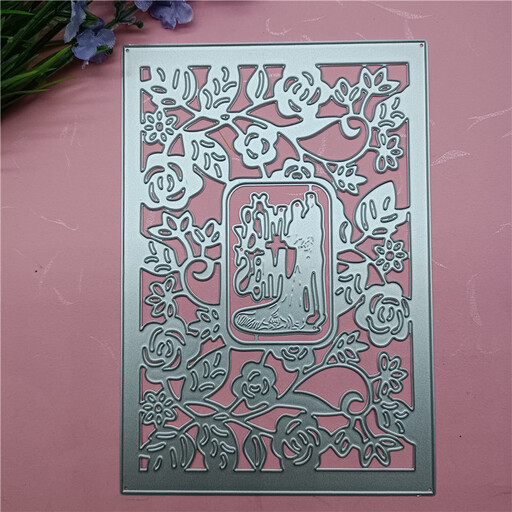
Why This Fits Their Persona: This set is designed for crafters who enjoy combining different techniques. It includes clear stamps and matching dies to cut out the stamped images perfectly.
Since the stamps and dies are designed to work together, it eliminates the problem of trying to combine mismatched tools. Compatibility within the set is guaranteed.
Enables multi-step designs: stamp first, then die-cut with precision. This opens up advanced creative possibilities for detailed and professional-looking projects.
We've compiled a complete, up-to-date list of products that meet these strict selection criteria and quality standards.
1. How do I properly clean and store my cutting dies? To remove paper scraps from intricate dies, a fine brush or a special die pick tool is suitable. For storage, magnetic sheets or panels are ideal. They keep the often small metal pieces securely in one place and prevent them from getting lost or scratching each other. Always store the dies in a dry place to prevent rust.
2. Can cutting dies be used to cut materials other than paper? High-quality carbon steel dies can often cut more than just paper and cardstock. Depending on the die and the die-cutting machine, it may also be possible to process thin felt, craft foam, fabric, shrink plastic, or thin metal foil. However, it is advisable to check the manufacturer's specifications for both the die and the machine to avoid damage.
3. What is the difference between cutting dies and embossing folders?Cutting dies are sharp-edged metal shapes used to completely cut out designs from paper or other materials. Embossing folders, on the other hand, are usually plastic folders that you place the paper inside. They do not cut the material but instead use pressure to impress a raised, three-dimensional pattern onto it.