
Lieferung heute & morgen

Qualitätsgarantie

Willkommens-Angebote freischalten: KOSTENLOSE Lieferung | Bis zu 80 % RABATT | Kostenlose 30-Tage-JoyPlus-Testphase
App herunterladen
As a Joybuy Product Recommendation Officer, I see every day how the right choice of crafting supplies brings creative projects to life. The variety is especially vast when it comes to cutting dies, but not every product delivers clean results. Many crafters invest in dies that turn out to be unusable. This guide will help you avoid the most common mistakes and find tools that are precise and durable.
The biggest disappointments often stem from three common problems:
To avoid these issues, you should check a few basic technical features before making a purchase.
A well-thought-out selection is based on objective criteria, not marketing promises. Pay attention to the following three points to correctly assess the quality and usability of metal dies.
The longevity of a cutting die depends directly on the material used. Simple steel can bend under repeated pressure. Look for products explicitly made from carbon steel. This material is harder and retains its sharp edges for significantly longer. A solid material thickness also ensures even pressure distribution in the die-cutting machine, resulting in consistently clean cuts.
Always check the exact dimensions of the cutting die before purchasing and compare them with the maximum pass-through width of your die-cutting machine. Most dies are compatible with common manual machines, but caution is advised with larger or unusually shaped designs. A die that is just a few millimetres too wide will not fit on the cutting plates and is therefore useless.
For intricate designs, weeding holes are essential. These small holes integrated into the die allow you to easily push out the die-cut paper with a pointed tool (e.g., a piercing tool) without causing damage. If these are missing, working with detailed designs becomes tedious. Also, note the difference between pure cutting dies and combined embossing folders, which can both cut and press relief-like patterns into the paper.
To make your choice easier, we have matched some products to different user profiles. These recommendations are based on the objective criteria mentioned above.
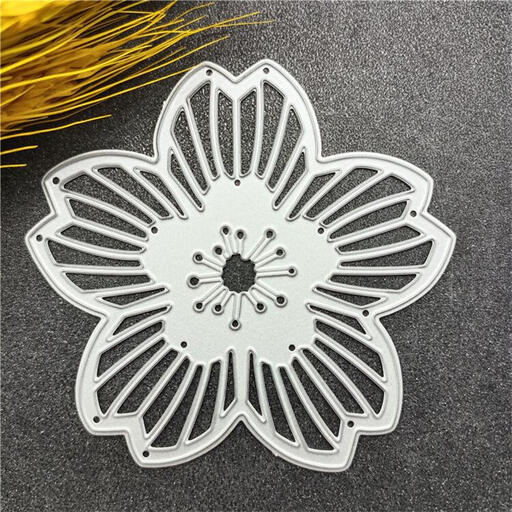
Why it's a great fit: This set offers a selection of different flower and leaf designs. It is ideal for beginners who want to establish a foundation for various projects like card making or their first scrapbooking supplies collection with a single purchase.
The designs are clearly defined and not overly complex, which minimises the risk of paper tears and makes handling easier for beginners.
Provides a good thematic foundation with several matching pieces for versatile design possibilities.
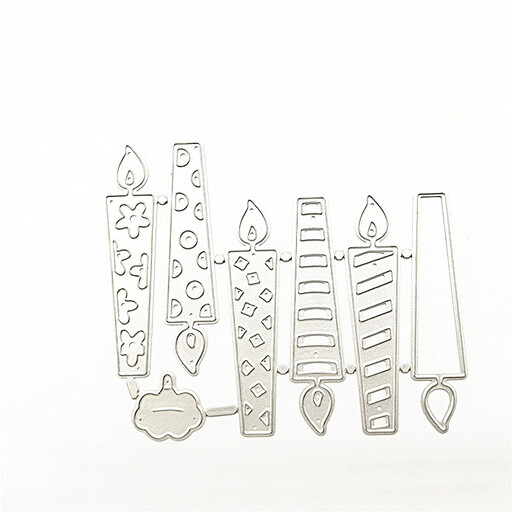
Why it's a great fit: Ideal for intermediate crafters looking for designs for specific occasions. The "Happy Birthday" text and candles are perfect for creating custom birthday cards.
The design is thematically clear and functional. The font size is chosen so that the letters remain stable and are easy to release from the die.
Combines image and text elements in one die, which simplifies the creation of greeting cards.
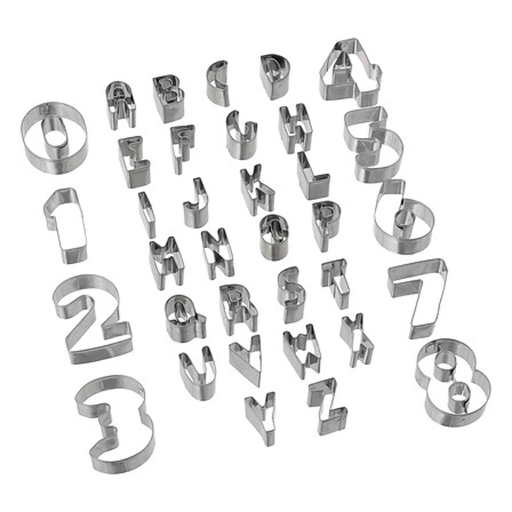
Why it's a great fit: A complete set of letters and numbers is a fundamental tool for anyone who takes their DIY craft supplies seriously. It allows for the personalisation of projects, creating titles, names, or dates.
The product description refers to its construction from "high-quality stainless steel" for "superior durability." This directly addresses the issue of material quality and promises a long lifespan.
A complete, 35-piece set offers maximum flexibility for lettering and personalisation across numerous craft projects.
Choosing the right tools is crucial for the success of your creative projects. In addition to cutting dies, there are other accessories that facilitate precision work.
1. How do you properly clean and store cutting dies? After use, small paper scraps may remain in the die. These are best removed carefully with a brush or a pointed tool. Do not clean the dies with harsh chemicals; instead, wipe them with a dry cloth if necessary. For storage, magnetic sheets or special storage folders are suitable, where the dies lie flat and are protected from bending.
2. Can cutting dies also be used for embossing? Yes, many cutting dies can also be used for embossing. Instead of the usual acrylic cutting plate, a soft silicone embossing mat is used. This presses the paper into the die shape instead of cutting it. The result is a light, embossed relief. However, for deeper and more detailed embossing, special embossing folders are better suited.
3. Which die-cutting machine is suitable for beginners? For beginners, manual die-cutting machines are often a good choice. They are generally more affordable and easy to operate. Look for a model with a standard platform width (usually around 6 inches or 15 cm), as most dies on the market are designed for this size. Before buying, read the machine's product description to ensure it is compatible with the materials you want to work with (e.g., paper, cardstock, felt).