
Lieferung heute & morgen

Qualitätsgarantie

Willkommens-Angebote freischalten: KOSTENLOSE Lieferung | Bis zu 80 % RABATT | Kostenlose 30-Tage-JoyPlus-Testphase
App herunterladen
For paper crafting enthusiasts, cutting dies are essential tools for embellishing greeting cards, scrapbook pages, and other DIY projects with precise, repeatable designs. However, the growing selection on the market can make choosing difficult. An ill-considered purchase often leads to frustration when the results don't meet expectations. This guide will help you navigate the most common pitfalls and select the right dies for your creative endeavors.
Before you invest in new designs, it's important to be aware of the typical issues that can lead to messy results or unusable tools.
To avoid these problems, you should check three crucial technical features before buying. These factors define the quality, durability, and functionality of your metal cutting dies.
The choice of material is fundamental to a die's performance. Look for products made from carbon steel. This material offers superior hardness and edge retention, meaning the blades stay sharp and deliver precise cuts even with frequent use. A solid material thickness also ensures the die can withstand the pressure of the die-cutting machine without warping.
Always check the product description for compatibility information. Most dies for card making and scrapbooking are designed as "wafer-thin dies" and are compatible with popular manual die-cutting and embossing machines (e.g., from Sizzix, Cuttlebug, or Spellbinders). Using the correct "sandwich" combination of plates included with your machine is crucial for success. Sometimes, die-cutting machine accessories like adapter plates are needed for particularly thin or thick dies.
The intended use dictates the requirements for the die. For large backgrounds or simple geometric shapes, the demands are lower. However, for intricate alphabet dies or detailed designs for Christmas cutting dies, high manufacturing precision is essential. Check the die's specified dimensions to ensure the final cut-out fits the scale of your project, such as a standard greeting card.
Here are some product recommendations tailored to specific crafter profiles, all of which meet the quality criteria mentioned above.
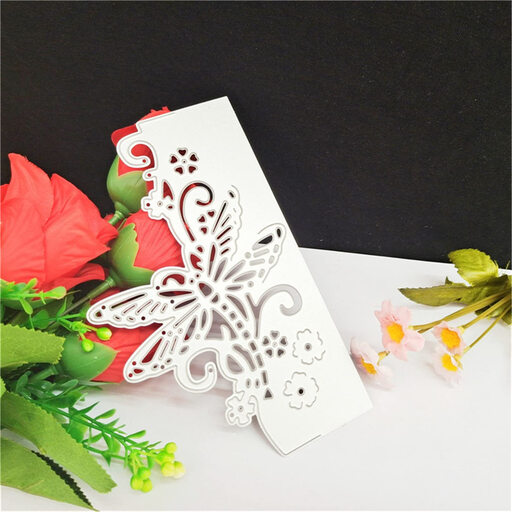
Why This Fits Their Persona: Ideal for crafters who want to create a large number of custom greeting cards during the holiday season. This set offers classic Christmas motifs that can be combined in versatile ways.
The clearly defined cutting edges ensure clean results even with detailed snowflakes, avoiding the problem of incompletely cut designs.
The set includes several coordinating designs, enabling a cohesive look for cards and tags. Made from durable steel for repeated use.

Why This Fits Their Persona: Perfect for scrapbookers and card makers who want to add names, dates, or personal messages. A complete set is a foundational tool for any craft room.
As a complete set, it ensures a uniform font and size, avoiding the issue of mismatched or stylistically incompatible letters from different sources.
Includes the full alphabet plus numbers 0-9 for maximum flexibility. The individual dies are compact and easy to position.
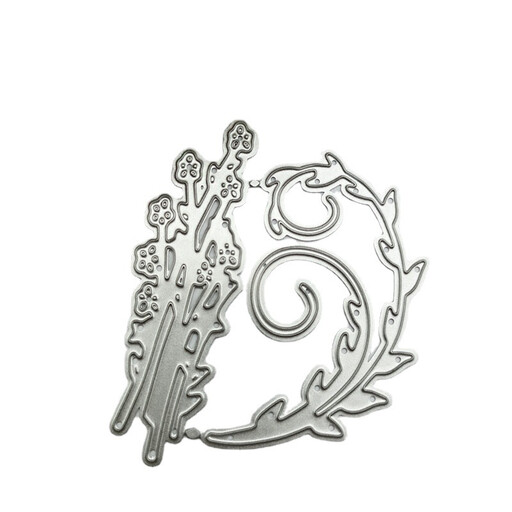
Why This Fits Their Persona: Suitable for anyone looking to enrich their projects with organic and floral elements. The designs are excellent for embellishing cards, album pages, or table decorations.
The robust carbon steel construction ensures that even the fine veins of the leaves and delicate contours of the flowers are cut cleanly without fraying the paper.
Offers a selection of different leaf and grass shapes that can be combined into custom arrangements. Versatile enough for a variety of occasions.
We have compiled a complete, up-to-date list of products that fully meet these strict selection criteria and applicable standards.
Most metal cutting dies on the market are designed for use with manual die-cutting and embossing machines. So while you do need such a machine, you typically don't need a special model just for metal dies. The key is to assemble the plate combination (the "sandwich") correctly according to your machine's instructions.
After cutting, small pieces of paper may get stuck in the die. These are most easily removed with a pick tool or a stiff brush. For storage, magnetic sheets or special storage pouches are ideal, as they keep the dies flat, organised, and protected from damage.
Cutting dies are sharp metal shapes that cut designs out of paper or other materials. Embossing folders, on the other hand, are typically thicker plastic folders with a positive and negative relief. The paper is placed between them and run through the machine to press a three-dimensional pattern into the paper without cutting it.