
Lieferung heute & morgen

Qualitätsgarantie

Willkommens-Angebote freischalten: KOSTENLOSE Lieferung | Bis zu 80 % RABATT | Kostenlose 30-Tage-JoyPlus-Testphase
App herunterladen
As a Joybuy Product Recommendation Officer, I see every day how the right selection of tools can elevate creative projects. At the same time, I observe how unsuitable accessories lead to frustration and unnecessary expenses. With cutting dies in particular, there are several recurring pitfalls that can spoil the crafting fun. Before you expand your collection, you should be aware of the common problems to make an informed decision.
A common annoyance is poor material quality. Thin, flexible dies made from low-grade metal often result in messy cuts or wear out after just a few uses. Another problem is incomplete or impractical die sets. They often contain an abundance of designs, only a fraction of which are ever used, while basic shapes like frames or letters are missing. Finally, incompatibility with your die-cutting machine is a costly mistake that can be easily avoided.
To avoid these issues, it helps to focus on a few crucial technical specifications. These features directly determine the functionality and durability of your tools.
The cutting performance and sturdiness of a die depend directly on the material used. Dies made from carbon steel are a common and reliable choice. This material is known for its hardness, which ensures long-lasting sharp cutting edges. Sufficient material thickness is also critical. Dies that are too thin can warp under the pressure of the die-cutting machine, leading to incomplete cuts and potentially causing permanent damage to the die. Look for a solid, warp-resistant construction to ensure precise die cuts for cards and other paper crafts.
Although many cutting dies are advertised as universally compatible, the most critical metric is the width of the die. It must not exceed the maximum opening width of your die-cutting machine. Before purchasing, measure the widest point of the die and compare it with your machine's specifications. This is a simple step that ensures your new die-cutting machine accessories are ready to use right out of the box.
When choosing a die set, the assortment of designs is more important than the sheer number of pieces. A good set offers a balanced mix of basic shapes and more specialized motifs. Sets containing versatile elements like a die-cut alphabet or nested frame dies are particularly useful. These foundational elements form the backbone of many projects, from card making to scrapbooking, and offer greater utility than a collection of highly specific, rarely used individual designs.
To make the selection process easier, we have matched several products to different user profiles. This is based on the objective features of the products and their suitability for typical crafting projects.
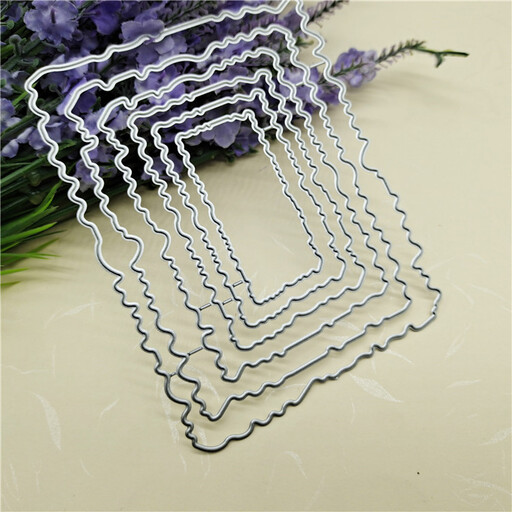
Why it's a good fit: Ideal for beginners who need a versatile foundation for cards and scrapbook layouts. The rectangular frames are universally applicable and provide a solid base for numerous projects without having to immediately invest in highly specialized designs.
This set focuses on fundamental, reusable frame shapes. It prevents the purchase of an overloaded set with designs that are rarely used.
Includes multiple nesting sizes, offering flexible design options for matting and layering in card making.
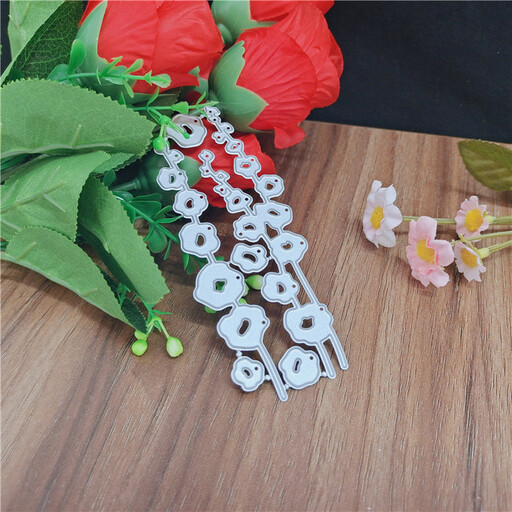
Why it's a good fit: Perfect for crafters looking for specific floral accents for invitation cards, table decorations, or spring-themed scrapbooking accessories. The delicate motifs are excellent for creating elegant designs.
Instead of a generic set, this offers a clear, thematic design. This ensures the die fits the project perfectly and won't go unused.
The set includes various small flower and leaf shapes that can be easily combined to create custom floral arrangements.
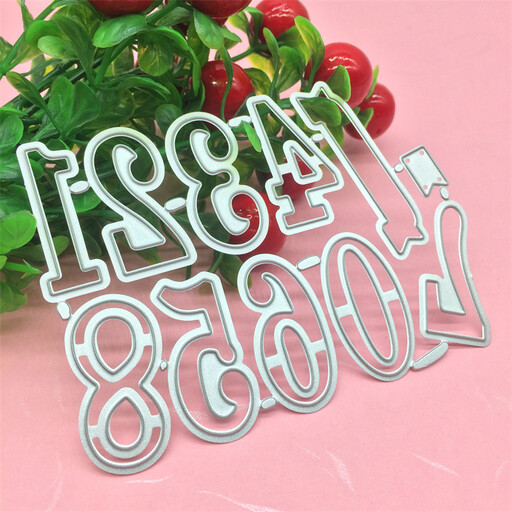
Why it's a good fit: Essential for anyone wanting to create names, dates, initials, or custom messages. A complete alphabet and number set is one of the most versatile additions to any crafting arsenal.
This set solves the problem of missing personalization options. Purchasing a complete alphabet is often more economical than repeatedly buying sticker sheets or individual letters.
Includes 26 capital letters and 10 numbers, offering maximum flexibility for creating titles, names, dates, and personalized greetings.
However, some projects require precise manual cuts that go beyond the capabilities of cutting dies. For these cases, a reliable craft knife is a smart addition. The WORKPRO 3-Piece Cutter Knife Set with SK5 carbon steel blades offers precise and controlled cutting for paper, cardstock, and other craft materials.
We have compiled a comprehensive, up-to-date list of products that fully meet these strict selection criteria and quality standards.
After die-cutting, small paper scraps can get stuck in the intricate openings of the die. These are best removed with a pointed tool, such as a needle or a special weeding tool (picking tool). For stubborn residue, a small, stiff brush (like a toothbrush) can also be helpful. Regular cleaning ensures that future cuts remain clean and precise.
Most thin metal dies, often called "wafer-thin dies," are compatible with the most common die-cutting and embossing machines. However, the limiting factor is always the width of the die in relation to the machine's maximum opening width. Therefore, always check the die's dimensions and your machine's technical specifications before purchasing.
Cutting dies are metal shapes with a sharp edge designed to cut completely through paper or other materials to punch out a shape. Embossing folders, on the other hand, are typically thicker plastic folders with a recessed and a raised pattern. The paper is placed between the two sides and pressed through the machine, which imprints the pattern onto the paper without cutting it.