
Lieferung heute & morgen

Qualitätsgarantie

Willkommens-Angebote freischalten: KOSTENLOSE Lieferung | Bis zu 80 % RABATT | Kostenlose 30-Tage-JoyPlus-Testphase
App herunterladen
As a Joybuy Product Recommendation Officer, I see every day how the right tools can transform creative ideas into impressive results. When it comes to designing cards, scrapbooks, or decorations, precision and detail are paramount. Cutting dies are indispensable tools for giving paper projects a professional and consistent look. However, the sheer variety of designs, shapes, and types can be overwhelming.
This article serves as a practical guide. It is designed to help you identify the right cutting dies for your specific needs—from intricate borders to complex floral patterns. We will examine the key features and present a selection of products designed for various applications in the world of paper crafting.
To ensure your chosen dies deliver the desired results and are compatible with your equipment, you should consider a few fundamental criteria.
Most high-quality cutting dies are made of metal, typically thin steel. This material offers the advantage of being durable and producing sharp, clean cuts even with frequent use. Ensure that your chosen dies are compatible with your die-cutting and embossing machine. Most manufacturers adhere to common industry standards, so their cutting dies can be used in machines from various brands (e.g., Sizzix, Cricut, Spellbinders). Nevertheless, a quick check of the maximum die size against your machine's specifications is always advisable.
The creative application determines the choice of design. Consider which projects you primarily want to create:
Based on functionality and design variety, we have curated a selection of cutting dies suitable for different creative projects.
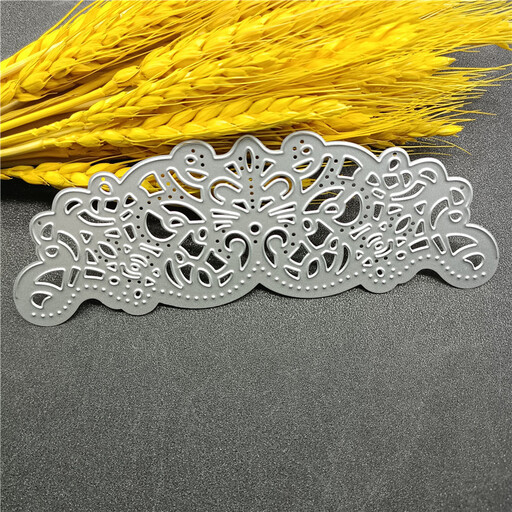
Why it stands out: This set focuses on creating extremely intricate and detailed lace edges. The design is classic and perfectly suited for formal occasions like weddings or anniversaries.
Pros:
Who it's for: Users who frequently design invitations, place cards, or elegant greeting cards and who value fine, decorative details.
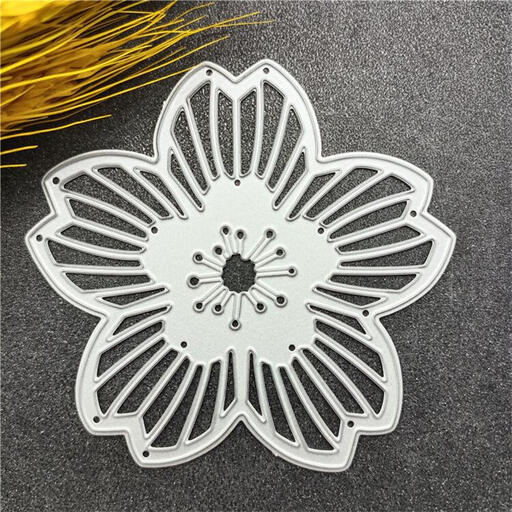
Why it stands out: This set offers a collection of various flower dies and leaves. The individual elements are designed to be combined into layered, three-dimensional floral arrangements.
Pros:
Who it's for: Creatives who enjoy making custom floral decorations for their albums, cards, or home decor projects and appreciate the flexibility of a combinable set.
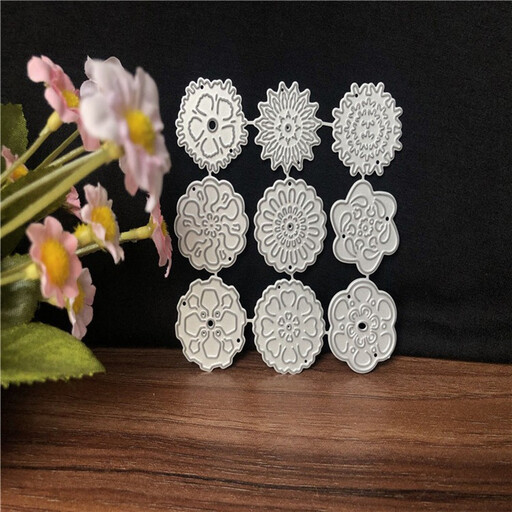
Why it stands out: This die is designed as a large-scale background pattern. It cuts a repeating pattern that is ideal for creating full card fronts or as a base for a scrapbooking page.
Pros:
Who it's for: Crafters who want to add an extra dimension to their paper projects and are looking for a tool to quickly create impressive and uniform backgrounds.
The world of paper crafting is limitless, and the selection shown here is just a small glimpse of the possibilities. If you are looking for more designs, special themes, or complementary accessories, you will find a broader range of creative tools in our main category.
Discover our entire collection of cute DIY office supplies and find more inspiration for your next project.
Cutting dies are sharp-edged metal shapes used to precisely cut paper or other thin materials. In contrast, Embossing folders do not cut the material but instead deform it to create a raised, relief-like pattern. There are also dies that combine both functions, cutting and embossing simultaneously.
A manual or electronic die-cutting and embossing machine is required to use metal cutting dies. These devices use rollers to build up the necessary pressure to press the die through the paper. Most machines available on the market are compatible with standard dies, as long as the width of the die does not exceed the machine's maximum pass-through width.
After use, small paper scraps can get stuck in the intricate crevices of the die. These are best removed with a pointed tool like a needle or a special die brush. To protect the dies from rust, they should be stored in a dry place. Magnetic storage sheets or cases are a practical solution to keep the dies organised and secure.