
Lieferung heute & morgen

Qualitätsgarantie

Willkommens-Angebote freischalten: KOSTENLOSE Lieferung | Bis zu 80 % RABATT | Kostenlose 30-Tage-JoyPlus-Testphase
App herunterladen
The right tools are essential for achieving detailed and precise results in paper crafting. Cutting dies allow you to cut complex shapes and intricate designs from paper, cardstock, or other materials with perfect accuracy. However, the vast variety of designs can make choosing difficult. This guide provides an overview of the features and characteristics of cutting dies and presents a selection of products suitable for various creative projects, such as card making or scrapbooking.
To find the right tools for your projects, a few basic criteria should be considered. These will help you make an informed decision based on the requirements of your crafting endeavours.
Most high-quality dies are made of metal, typically carbon steel. This material is known for its durability and its ability to maintain sharp cutting edges even with frequent use. A crucial factor is the die's compatibility with your existing die-cutting and embossing machine. Before purchasing, check the die's dimensions and the machine manufacturer's specifications to ensure both components can be used together.
The intended application determines the choice of design. For card making, intricate borders, sentiments, or themed motifs like dies with flower designs are suitable. For scrapbooking projects, frames, tags, or decorative elements are often a perfect addition. Consider what type of projects you primarily want to create to assemble a versatile set of scrapbooking supplies.
It's important to distinguish between cutting and embossing dies. While cutting dies are used to cut shapes completely out of the material, embossing folders are used to press a three-dimensional, raised pattern into the paper without cutting through it. Some thin metal dies can also be used for embossing with a special rubber mat, which expands their functionality.
The following selection showcases different types of cutting dies, distinguished by their designs and potential applications.
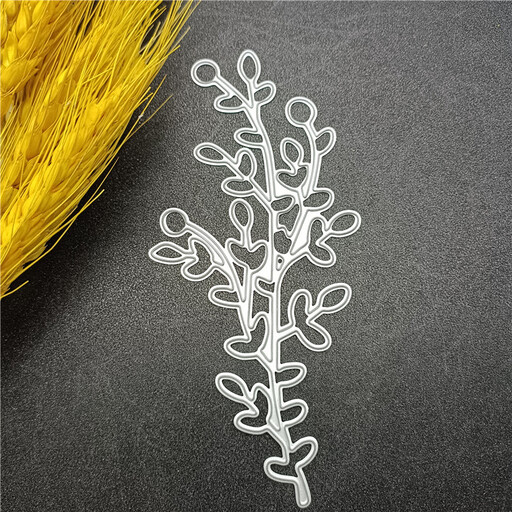
Why it stands out: This set combines several popular motifs in one collection. It includes both a tree silhouette and a delicate floral lace border. This combination allows for the creation of thematically diverse projects with just one product.
Pros:
Who it's for: This set is a great choice for crafters who want both nature motifs and elegant borders for their paper projects and value a multifunctional starter kit.
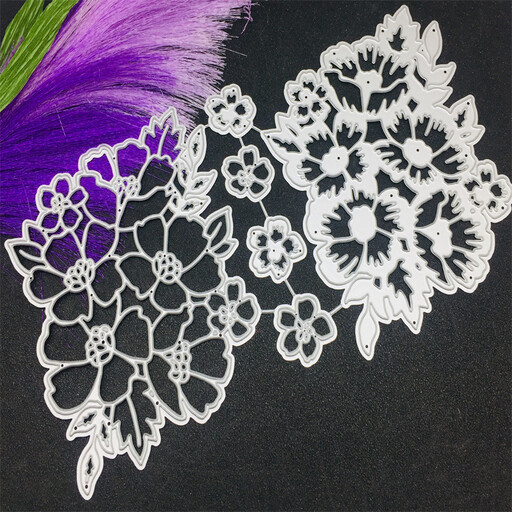
Why it stands out: These cutting dies are specifically designed to create layered flowers. By die-cutting and layering the different elements, you can create a three-dimensional effect that adds special depth to cards and scrapbook pages.
Pros:
Who it's for: Ideal for creatives who want to add a sculptural dimension to their work. Especially suitable for designing elaborate greeting cards, gift tags, or as a centrepiece on a scrapbook page.

Why it stands out: This set focuses on the classic rose motif. It includes several dies to create rose blossoms and leaves in various sizes and shapes. The intricate details of the dies can also be used for embossing to create additional texture.
Pros:
Who it's for: This set is aimed at crafters with a fondness for floral and romantic designs. It is perfect for wedding cards, birthday cards, or for decorating photo albums and journals.
The products featured here represent just a small sample of the available options. If you are looking for more motifs, specific themes, or other types of metal dies, you will find a broader selection in our more comprehensive category.
Discover our entire range of Paper Craft Cutting Dies and find the perfect tools for your next creative project.
Cutting dies are thin metal shapes with a sharp edge used to cut motifs completely out of paper or other materials. Embossing folders, on the other hand, are usually thicker plastic folders with an embedded pattern. The paper is placed inside the folder and run through the machine, which impresses the pattern as a relief into the paper without cutting it.
For most cutting dies, standard craft cardstock with a grammage (paper weight) between 160 gsm and 220 gsm is suitable. For very intricate designs, a slightly thinner paper (around 120 gsm) can lead to cleaner cuts. For thicker materials like felt, craft foam, or thin cork, you should check if your die-cutting machine and the die are designed for these materials.
To ensure the longevity of your cutting dies, you should clean them after use. Small paper scraps in the intricate cut-outs can best be removed with a pointed tool, like a needle or a specialised die pick tool. A small brush with stiff bristles can also be helpful. Store the dies flat and dry, ideally on magnetic sheets, to keep them organised and protected from damage.