
Lieferung heute & morgen

Qualitätsgarantie

Willkommens-Angebote freischalten: KOSTENLOSE Lieferung | Bis zu 80 % RABATT | Kostenlose 30-Tage-JoyPlus-Testphase
App herunterladen
Designing custom cards, scrapbooking, or embellishing paper projects are creative hobbies that bring a lot of joy. Cutting dies are an essential tool for creating precise and repeatable designs. However, the market is vast, and not every product delivers on its promise. Poor purchasing decisions can quickly lead to frustration, messy results, and wasted money.
This guide highlights the most common pitfalls when buying metal cutting dies and shows you which objective criteria to look for to find the right scrapbooking accessories for your projects.
Before you invest in new card-making supplies, you should be aware of the typical flaws that often only become apparent after purchase.
To avoid these problems, it's helpful to focus on verifiable product features. Pay attention to the following three points when making your selection.
The durability and functionality of a cutting die depend directly on its material. High-quality dies are typically made from carbon steel. This material is sturdy, resistant to bending, and retains its sharpness even with frequent use. Pay attention to the specified material thickness. Thin sheets under 0.8 mm tend to warp under the pressure of the die-cutting machine, especially with intricate designs. A clean, smooth edge finish is also an indicator of quality.
Measure the maximum opening width of your die-cutting machine. Compare this value with the die's dimensions provided in the product description. Reputable sellers list the exact dimensions of the die itself, not just the finished design. This is the surest way to avoid incompatibility. This applies to simple designs like a butterfly as well as complex background dies.
Consider what type of DIY crafting you need the die for. Are you looking for simple basic shapes, themed designs for Christmas, or detailed flowers? For intricate patterns, the quality of the cutting edge is crucial. Edges that are too thick or dull can tear fine paper details. In these cases, it can be wise to choose products with a stable design structure that avoids overly fine, isolated elements. Embossing folders, on the other hand, do not cut but rather shape the paper, requiring a different technique.
Based on the criteria above, we have put together some products for different user profiles.
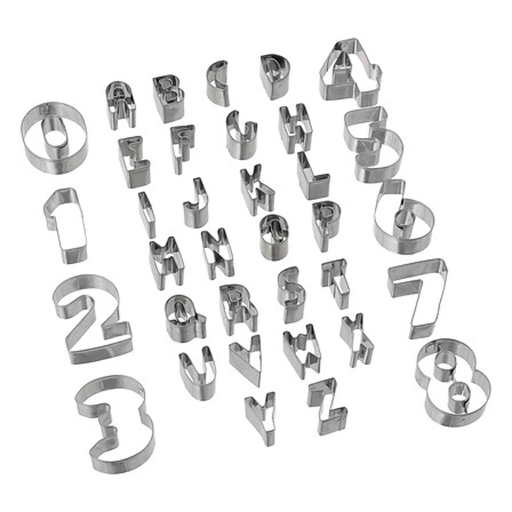
Why This Fits Their Persona: This set provides a solid foundation for anyone starting with paper crafting. It includes letters and numbers that are universally applicable for personalising cards, albums, and gift tags, without requiring a large initial investment in specialised designs.
The set is clearly defined and contains 35 pieces, which bypasses the problem of incomplete or misleading sets. The product description also states that it is made of stainless steel, indicating higher material quality.
Versatile basic set for lettering and numbers; Robust stainless steel construction for enhanced durability.
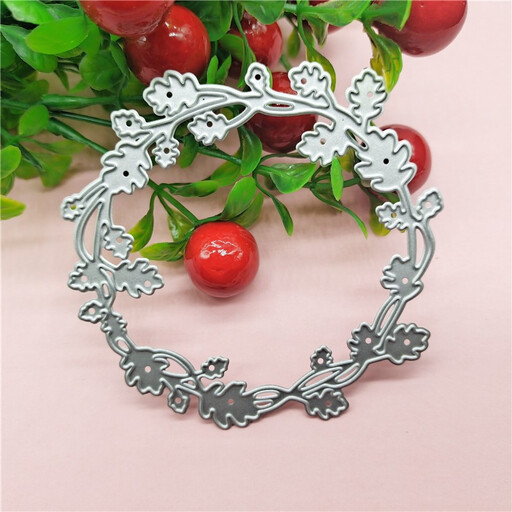
Why This Fits Their Persona: Ideal for creatives who focus on projects for specific occasions like Christmas. This die offers a clear, theme-specific design that is perfect for creating greeting cards or festive decorations.
As this is a single, clearly defined die, there is no ambiguity about the contents. The design is straightforward and not part of a confusing set, which precisely meets the buyer's expectations.
Clear, seasonal design for Christmas projects; Well-suited as a central element for card making.
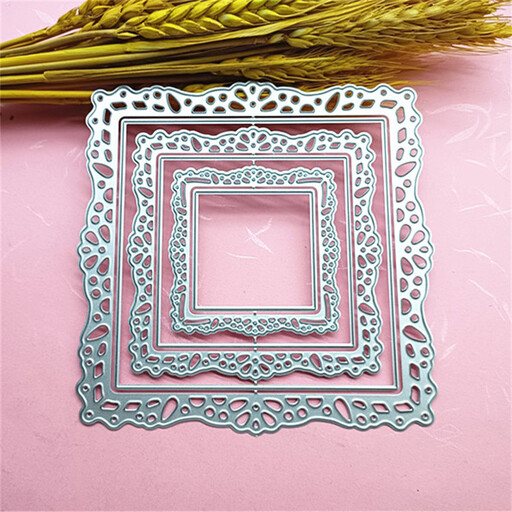
Why This Fits Their Persona: This die is intended for experienced crafters who appreciate intricate, layered backgrounds and delicate details. It is perfect for adding a professional and elegant depth to cards or scrapbook pages.
The complexity of the lace-like pattern requires precise manufacturing and a sturdy material to ensure clean cuts. This minimises the risk of receiving a low-quality die that fails on intricate details.
Creates detailed, lace-like backgrounds; Ideal for designing high-end and layered paper projects.
We have compiled a comprehensive, up-to-date list of products that fully meet these strict selection criteria and quality standards.
After use, carefully remove any paper scraps from the die, for example, with a small brush or a pointed tool. To prevent bending, dies should be stored flat. Magnetic storage sheets or sleeves are a practical solution for this, as they hold the dies securely in place.
No. Compatibility depends on the dimensions. The width of the cutting die must not exceed the maximum opening width of your die-cutting machine. Therefore, always check the die's dimensions listed in the product details before purchasing and compare them with your machine's specifications.
Cutting dies, also known as metal dies, are designed to precisely cut shapes and designs from paper or other thin materials. Embossing folders, on the other hand, do not cut the material but instead shape it with pressure to create a raised, three-dimensional pattern on the surface.