
Lieferung heute & morgen

Qualitätsgarantie

Willkommens-Angebote freischalten: KOSTENLOSE Lieferung | Bis zu 80 % RABATT | Kostenlose 30-Tage-JoyPlus-Testphase
App herunterladen
The right tools are half the battle in any creative project. Especially for DIY crafting with paper, like card making or scrapbooking, cutting dies can be the difference between a successful piece and pure frustration. However, the market is vast, and not every product delivers on its promise. Before you invest, it's helpful to know the common pitfalls that often lead to disappointment.
Many crafters know the problem: a die ordered online doesn't fit their die-cutting machine, the material bends after just a few uses, or the die-cut shape is difficult to remove from the die and tears in the process. These issues can often be traced back to three core points:
This guide will help you navigate these pitfalls and find the right scrapbooking supplies for your ideas.
To make an informed decision, you should focus on a few crucial technical features. These parameters determine the functionality and durability of your metal cutting dies.
The quality of a cutting die hinges on the material used. Look for products explicitly made from carbon steel. This material offers greater hardness and resilience compared to simple metal alloys.
A well-made die can be identified by its smooth edges without burrs and a uniform thickness.
Not every die fits every machine. Compatibility depends on the width of your machine and the maximum thickness of the "sandwich" (consisting of plates, paper, and the die). Before purchasing, check the dimensions of the cutting die and compare them with your die-cutting machine's specifications. Most manufacturers of die-cutting machine accessories design for common models, but it's always wise to check the product description.
Consider what you need the die for. Are you looking for letter cutting dies for personalized text, flower cutting dies for floral decorations, or functional shapes like boxes and frames?
A related tool is embossing folders. These don't cut the paper but instead impress a three-dimensional pattern onto it. Many die-cutting machines can do both, allowing you to easily expand your creative repertoire. For complex designs, the quality of the die is especially important to prevent the paper from tearing upon removal.
To make the choice easier, we have compiled a few products for typical user profiles.
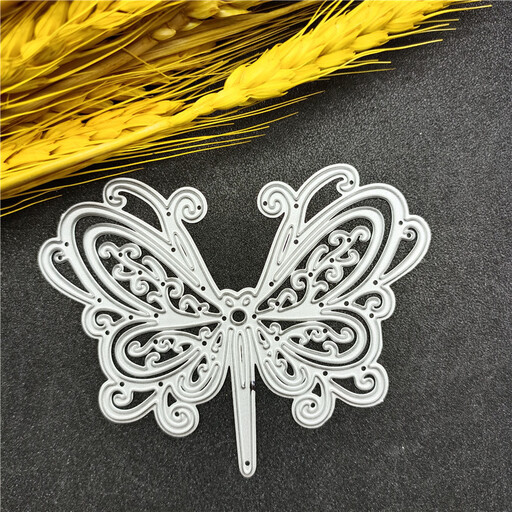
Why it's a good fit: Ideal for beginners who want to create their first projects, like card making or decorating albums, with a versatile and appealing design. The butterfly motif is timeless and easy to handle.
Made from robust steel, it ensures clean cuts right from the start, preventing the frustration of bent edges or poorly cut paper.
A clear, universally applicable design that is suitable for a variety of occasions like birthdays, greetings, or as a simple decoration.
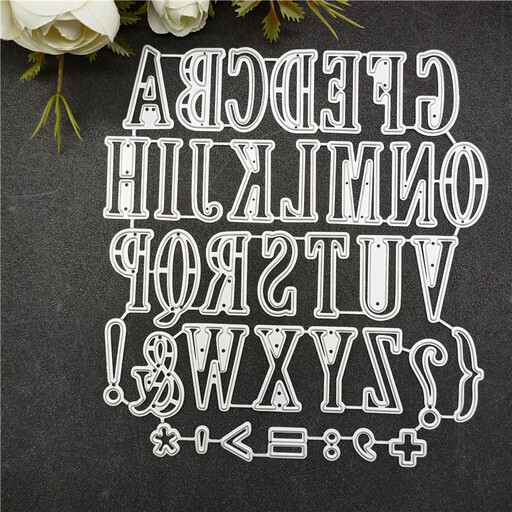
Why it's a good fit: A fundamental tool for anyone wanting to create names, dates, or custom text for albums, banners, and cards. It offers maximum flexibility for personal projects.
This set is complete, containing all 26 capital letters, so there are no unexpected gaps in the alphabet. The uniform size of the letters ensures a consistent and clean look.
Made from durable carbon steel, it allows for repeated use across countless projects, making it a long-term investment for avid crafters.
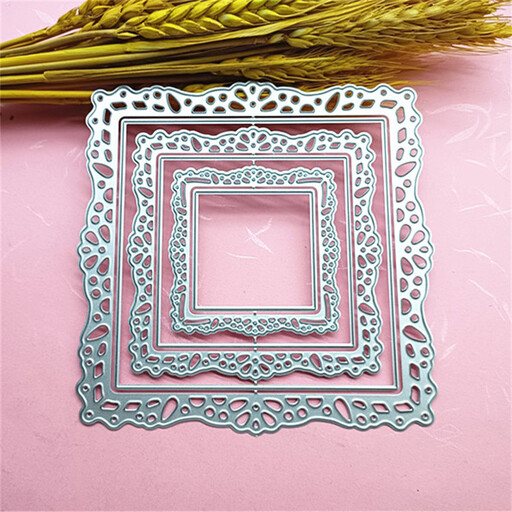
Why it's a good fit: Perfect for crafters who design multi-layered and detailed cards or scrapbook pages. This die creates an elegant, lace-like background that adds depth to projects.
Despite the intricate design, the precise manufacturing ensures the paper releases easily. This prevents tearing—a common problem with low-quality, complex patterns.
Creates a high-quality, decorative effect that gives simple cards or layouts a professional and sophisticated look without needing multiple layers.
We've compiled a complete, up-to-date list of products that meet these strict selection criteria.
No, not universally. Compatibility depends on the maximum width of your machine and the thickness of the die. Most dies are designed for common manual die-cutting machines (e.g., from Sizzix, Cuttlebug, or Vaessen). However, it is always important to check the product description, which often specifies the die's dimensions.
After use, small paper scraps can get stuck in the intricate parts of the die. These are best removed with a piercing tool or a stiff brush. Store your dies flat and dry, ideally on magnetic sheets or in special storage sleeves, to protect them from bending and rust.
Cutting dies are thin metal shapes with a raised edge designed to cut completely through paper or other materials. Embossing folders, on the other hand, are typically thicker plastic folders with an embedded positive and negative pattern. The paper is placed between the folds and rolled through the machine to press the pattern into the paper as a relief, without cutting it.