
Lieferung heute & morgen

Qualitätsgarantie

Willkommens-Angebote freischalten: KOSTENLOSE Lieferung | Bis zu 80 % RABATT | Kostenlose 30-Tage-JoyPlus-Testphase
App herunterladen
As a Joybuy Product Recommendation Officer, I see every day how the right tools bring creative projects to life. Cutting dies, in particular, offer a wonderful way to add a personal and professional touch to paper crafts like greeting cards or scrapbooks. However, the vast selection can also lead to poor purchases that cause more frustration than joy. This guide will help you navigate the most common pitfalls and find the right dies for your projects.
Before you invest in new scrapbooking supplies, you should be aware of the typical flaws that often only become apparent when you use them at home.
To avoid these problems, you should check three key aspects before buying. These criteria will help you objectively assess the quality and suitability of cutting dies.
The lifespan and precision of a cutting die depend directly on its material. Models made from carbon steel are often an excellent choice here. This material is known for its high hardness and resilience.
Most cutting dies available on the market are "wafer-thin dies"—thin metal shapes. These require a die-cutting and embossing machine, where they are layered with paper and acrylic plates to form a "sandwich."
The level of detail in a die should match your project. Simple geometric shapes have different requirements than highly detailed flower cutting dies or intricate script fonts.
Based on the criteria mentioned, we have selected a few products from our range that are suitable for different user profiles.
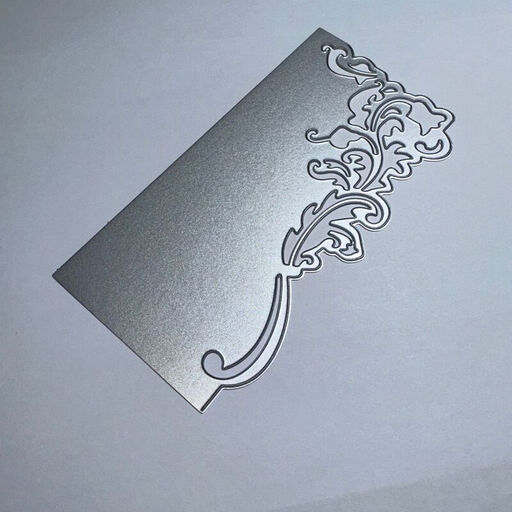
Why this product is a good fit: This set offers a selection of simple, clearly defined designs. The shapes are not overly complex, making them perfect for gaining initial experience with die-cutting and quickly achieving appealing results for various occasions.
The uncomplicated outlines reduce the risk of messy cuts, which is a common issue for beginners with very intricate designs. The clean shapes are easy to release from the die and the paper.
The set includes several thematically matched designs that can be versatilely combined for cards, tags, or album pages.
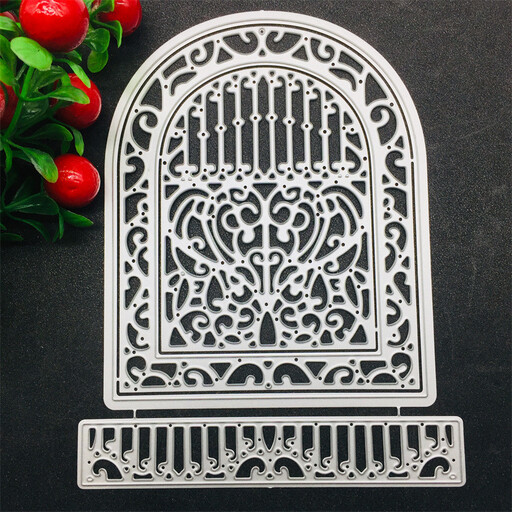
Why this product is a good fit: Anyone looking to create elaborate greeting cards with structural elements like windows or cut-out fronts needs special frame dies. This set is designed precisely for such multi-dimensional projects.
Instead of struggling with the tedious manual cutting of frames, this die delivers a precise and repeatable result. This bypasses the problem of messy handiwork on complex cut-outs.
The die is designed for creating card fronts and enables the creation of invitations or elaborate greeting cards with a professional appearance.
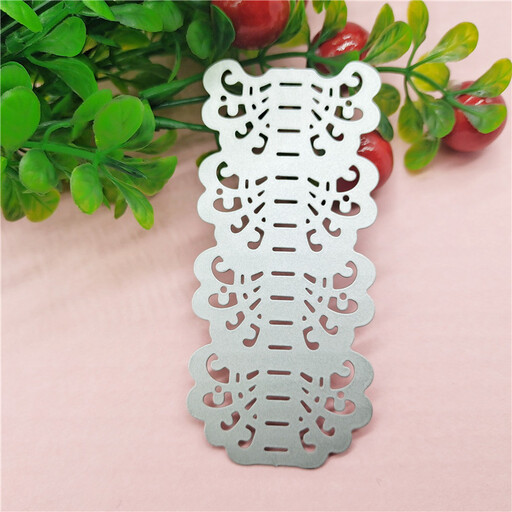
Why this product is a good fit: For crafters who want to add elegant and detailed accents, lace patterns are an excellent choice. This die creates a fine, intricate border ideal for wedding cards, romantic albums, or sophisticated decorations.
This die is designed for cutting filigree patterns. Good material quality is crucial here to prevent the fine bridges from breaking or the paper from tearing. It addresses the pitfall of misleading design details by delivering a clear, detailed result.
The lace pattern can be used as a border, corner decoration, or background element, giving projects a high-quality, elaborate look.
We have compiled a complete, up-to-date list of products that meet these strict selection criteria and quality standards.
1. What is the difference between cutting dies and embossing folders? A cutting die is a metal shape with a sharp edge that cuts designs out of paper or other materials. An embossing folder is usually a plastic folder with a raised pattern. The paper is placed inside and run through the machine, which presses the pattern into the paper as a relief without cutting it.
2. Do I need a special machine for every cutting die? No, most thin metal dies are compatible with the common die-cutting and embossing machines for hobbyists. The key is to assemble the plate combination ("sandwich") correctly according to your machine's instructions to create the right pressure. When in doubt, check the die's product description for compatibility notes.
3. How do I properly care for my metal cutting dies? After use, small paper scraps may get stuck in the fine details of the die. These can be carefully removed with a piercing tool or a stiff brush. Store the dies flat and dry to prevent bending and rust. Magnetic storage sheets are a practical solution for keeping them organized and protected.