
Lieferung heute & morgen

Qualitätsgarantie

Willkommens-Angebote freischalten: KOSTENLOSE Lieferung | Bis zu 80 % RABATT | Kostenlose 30-Tage-JoyPlus-Testphase
App herunterladen
An intricate design, the perfect paper—and yet, the final piece tears as you remove it from the die, or the edges aren't clean. Many crafters know the disappointment when a cutting die doesn't deliver on its promise. Often, the problem isn't your technique but hidden flaws in the product itself. Before you expand your collection of scrapbooking accessories, it helps to know the common pitfalls.
Three common problems often lead to frustration and unnecessary expense:
This guide will show you which objective criteria to look for to find durable and precise cutting dies for your creative projects.
To objectively evaluate the quality of a cutting die, you should check three core parameters. These will help you make an informed decision that goes beyond just the design.
Most high-quality metal cutting dies are made of carbon steel. This material is crucial for the sharpness and durability of the cutting edges. A good die feels sturdy and solid.
A robust material ensures that the die delivers precise results even after frequent use, allowing you to enjoy paper crafting for a long time.
The claim "suitable for all common die-cutting machines" is often inaccurate. Compatibility depends on the width of your machine and the thickness of the die.
The quality of the cutting edges determines how cleanly your design is cut. This is the most important criterion if you want to achieve professional results in card making.
Based on the quality features mentioned, we have put together a selection of cutting dies for different user profiles.
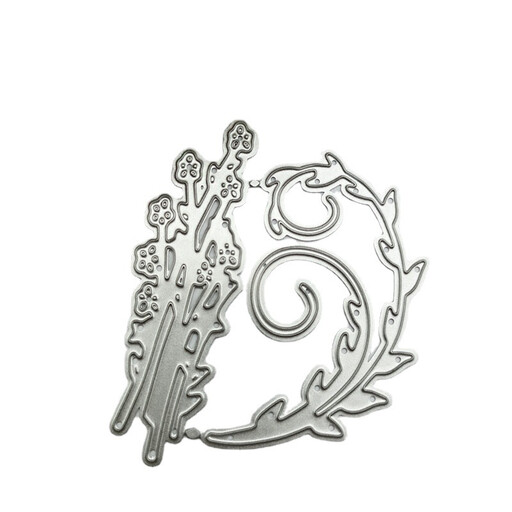
Why This Fits Their Persona: Offers basic nature designs ideal for a variety of projects like greeting cards, gift tags, or initial scrapbooking attempts. The timeless shapes can be used year-round.
The sturdy, clean shapes are made from stable steel, which prevents bending. Their uncomplicated structure ensures clean cuts even with standard paper weights, thus avoiding the frustration of incomplete results.
Universally applicable designs; A great foundation for a growing collection.
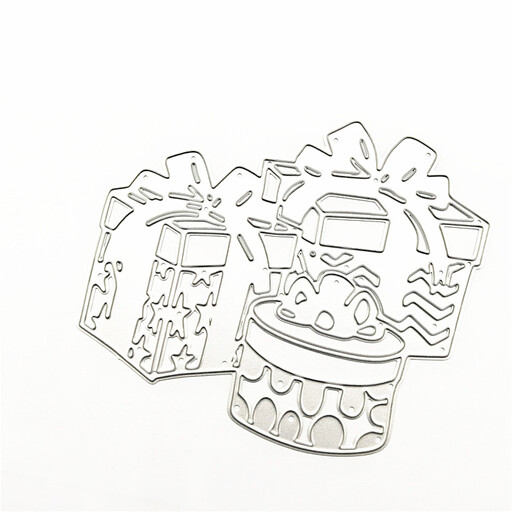
Why This Fits Their Persona: Allows for the creation of a unique 3D gift box, which can serve as packaging or as a highlight on a card, ideal for special occasions like birthdays or weddings.
Unlike vague "universal" dies, this set is clearly designed for creating a box. The individual parts are engineered to fit together precisely after cutting, preventing frustration from incompatible elements.
Creates three-dimensional paper elements; Ideal for personalized gift packaging.
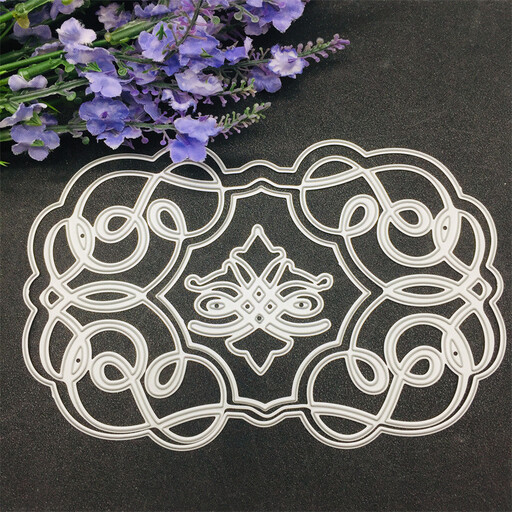
Why This Fits Their Persona: Perfect for creating intricate edges and borders that give scrapbook pages an elegant, professional frame or serve as a decorative element.
Intricate border dies like this one require high manufacturing precision to avoid unclean cuts. The sharp edges ensure that even fine details are cleanly released from the paper without tearing.
Creates elegant, lace-like borders; Enhances the layout of scrapbook pages.
We have compiled a complete, up-to-date list of products that fully meet these strict selection criteria and quality standards.
Generally, papers and cardstock with a weight between 120 g/m? and 240 g/m? work very well. Thinner paper below 120 g/m? can tear more easily with intricate designs. Very thick cardstock over 250 g/m? may require multiple passes through the machine or a special, heavy-duty die. It's always a good idea to test the combination of die and paper on a small scrap piece first.
After cutting, small paper remnants often get stuck in the die. The best way to remove them is to gently poke them out through the small holes on the back of the die using a pointed tool (like a piercing tool or a thick needle). Alternatively, a small, stiff brush can be used to clear the debris from the crevices.
Although many dies for Big Shot machines are compatible, it's not a guarantee. Always check the die's dimensions listed in the product description and compare them with the width of your machine's platform. The standard Big Shot has a different width than the Big Shot Plus, for example. Sometimes, an adjustment to the plate arrangement ("sandwich") is also necessary to achieve an optimal cut.