
Lieferung heute & morgen

Qualitätsgarantie

Willkommens-Angebote freischalten: KOSTENLOSE Lieferung | Bis zu 80 % RABATT | Kostenlose 30-Tage-JoyPlus-Testphase
App herunterladen
Metal cutting dies are an indispensable tool for many crafters, adding a professional finish to paper projects like cards and scrapbooks. However, the market is vast, and not every die delivers the desired results. Choosing the wrong material or an unsuitable design can quickly lead to frustration and unnecessary expense. This guide will help you avoid the most common pitfalls and select the right cutting dies for your projects.
The variety of designs is tempting, but a few fundamental mistakes can quickly spoil the crafting fun. Pay attention to these three points to avoid making a bad investment:
To ensure your dies for card making and other DIY projects deliver precise results, you should check a few technical aspects before purchasing.
The durability and cutting quality of a die depend directly on its material. Most high-quality dies are made of carbon steel. This material is robust enough to create sharp edges even in intricate designs and to withstand the pressure of the die-cutting machine. A smooth, burr-free finish on the cutting edge is another indicator of good quality.
Cutting dies are placed in a die-cutting machine along with cutting plates to form a "sandwich". The thickness of the die must match the clearance height your machine can handle. Most thin metal dies are compatible with common manual die-cutting machines (e.g., from Sizzix, Vaessen Creative, or Spellbinders). Nevertheless, check your machine manufacturer's specifications to ensure the dies are suitable as die-cutting machine accessories.
Particularly intricate designs, such as delicate flower cutting dies or detailed ornaments, place high demands on the die. A good design feature is the inclusion of small holes in the die. These allow you to easily poke out the die-cut paper pieces with a pointed tool after cutting ("weeding"). This saves a lot of time and prevents the delicate design from tearing during removal.
Here are some recommendations tailored to different needs and projects in the world of DIY crafting.
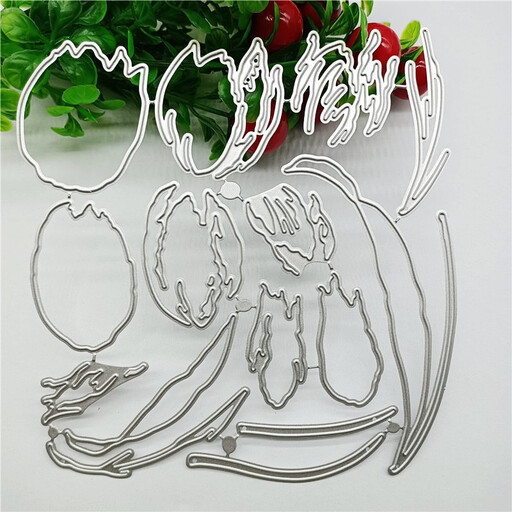
Why it's a good fit: Ideal for beginners who want to create cards for various occasions. Sentiments are versatile and instantly give even simple cards a personal and professional touch.
The clean and not overly intricate design of the lettering ensures crisp cuts, avoiding the frayed-edge problem often seen with complex entry-level dies.
Provides essential greetings for a variety of occasions, making it a reusable foundation for numerous projects.
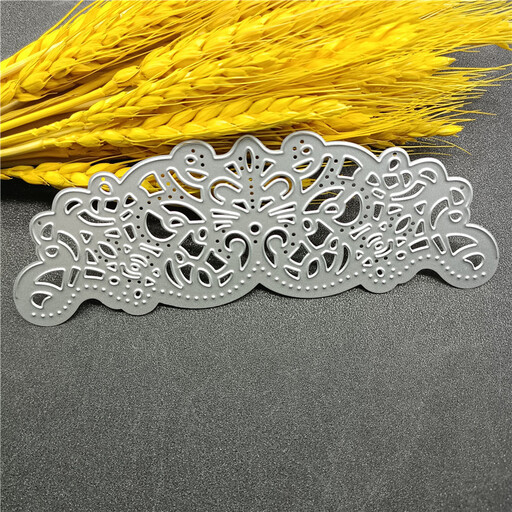
Why it's a good fit: Perfect for crafters looking to add an elegant, detailed frame to their scrapbook pages and cards. Borders are a key element for more elaborate designs.
Although the lace pattern is detailed, a border die generally cuts more cleanly than a standalone, intricate design. This minimises the risk of tearing on standard cardstock.
Creates elegant, delicate edges that serve as a high-quality frame for photos and text on scrapbook pages.
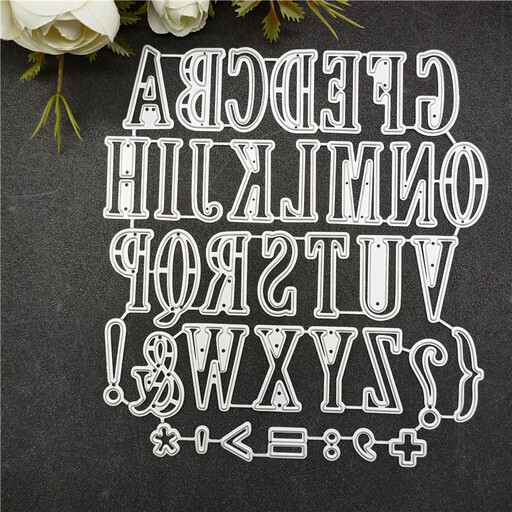
Why it's a good fit: Indispensable for anyone wanting to create names, custom messages, or titles for albums, banners, and gifts. A complete alphabet cutting dies set is the foundation for maximum personalisation.
A complete set from a single manufacturer ensures a consistent font and size. This avoids the mismatched appearance that can result from buying individual letters from different brands.
The set of 26 capital letters offers full creative control for custom titles, names, and monograms.
For advanced crafting projects, the paper is just as crucial as the cutting die. Embossing folders and high-quality paper can take your creations to the next level.
Most thin metal cutting dies are compatible with common manual die-cutting and embossing machines. The key is the correct arrangement of the cutting plates, known as the "sandwich". It is recommended to consult your machine's manual to find the right plate combination for thin metal dies (often referred to as "Thinlits" or "wafer-thin dies").
A practical and popular method is to store them on magnetic sheets, which can be filed in binders or storage boxes. This protects the dies from being lost or scratched, keeps them neatly organised, and ensures you can quickly find the right design for your scrapbooking accessories.
Yes, depending on the die and the pressure of the machine. In addition to paper and cardstock, many thin metal dies can cut materials like vellum, thin craft foam, shrink plastic, or even thin fabric. For thicker materials like felt or leather, special, thicker dies ("Bigz Dies") and a compatible machine are typically required. Always check the manufacturer's specifications to avoid damage.