
Lieferung heute & morgen

Qualitätsgarantie

Willkommens-Angebote freischalten: KOSTENLOSE Lieferung | Bis zu 80 % RABATT | Kostenlose 30-Tage-JoyPlus-Testphase
App herunterladen
Cutting dies open up a world of creativity for anyone dedicated to paper crafting. From custom card making to detailed scrapbooking, the right tools can help you achieve impressive results. However, the vast selection of designs and manufacturers can also lead to disappointment. Before you invest in new scrapbooking accessories, you should be aware of three common problems that can lead to frustration and unnecessary expense.
Many crafters invest in dies that end up sitting unused in a drawer. This is often due to avoidable mistakes that can be identified before you even make a purchase.
To avoid these problems, it's helpful to focus on a few core technical features before making a purchase decision.
Instead of getting overwhelmed by a huge selection of designs, you should check three objective criteria. These will help you better assess the functionality and durability of metal dies for crafting.
The quality of a cutting die largely depends on the material used. A good indicator is the specification Carbon Steel. This material is known for its hardness and edge retention. Dies made from high-quality carbon steel maintain their sharpness even after frequent use and ensure consistently clean, precise cuts. This reduces the need for rework and protects your paper.
Most cutting dies available on the market are of the "wafer-thin dies" type. These thin metal dies are compatible with most common manual die-cutting machines. Nevertheless, it is advisable to check the product description for compatibility notes or to compare the die's thickness with your machine's specifications. This ensures your new dies will work smoothly.
Don't rely solely on product images. Professional suppliers provide the exact dimensions of the cutting die or the finished die-cut piece in centimetres or millimetres. Compare these measurements with your project. If you want to design DIY cards, make sure the design is the right size for your card front. This simple step prevents you from buying a die whose result is too small or too large for your purpose.
Based on the criteria above, we have compiled a selection of products suitable for different applications.
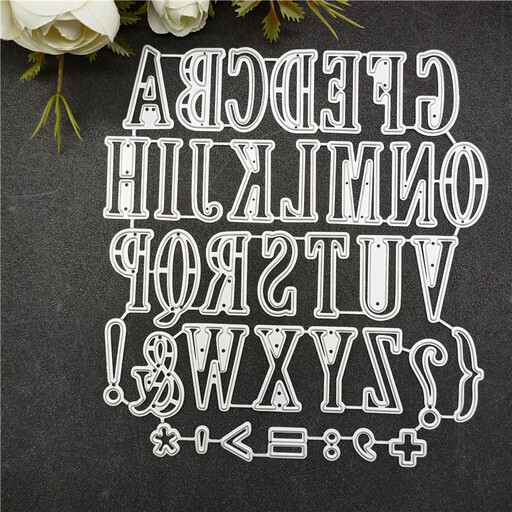
Why This Fits Their Persona: Ideal for personalising cards, albums, and gift tags. A foundational set that can be reused for countless occasions, from birthdays to holidays, offering high flexibility.
Made from durable steel, this set ensures repeatable clean cuts, avoiding the quality trap of cheap, single-use dies.
Maximum reusability; allows for custom lettering and monograms for any project.
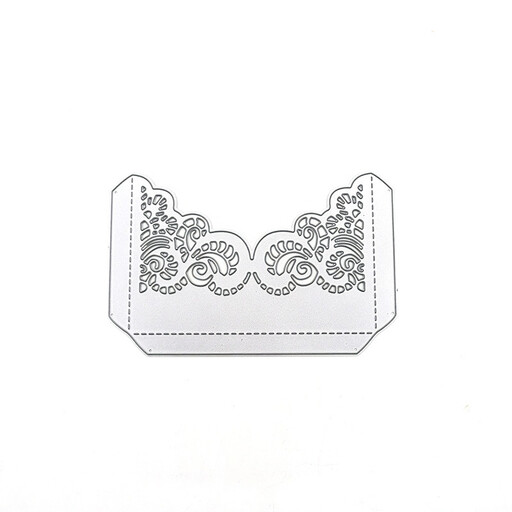
Why This Fits Their Persona: Perfect for sophisticated projects like wedding invitations or elegant greeting cards where fine details matter. These cutting dies for card making add a professional touch to any creation.
The design is engineered for precise, intricate cuts, minimising the risk of paper tearing or unclean edges—a common problem with complex motifs.
Creates an elegant lace border that is nearly impossible to achieve with this level of precision by hand.
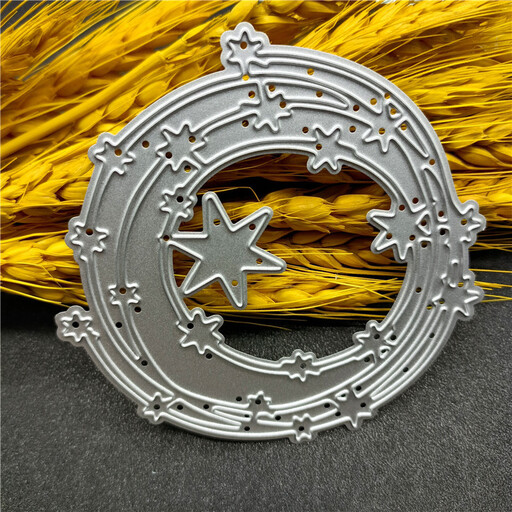
Why This Fits Their Persona: An essential tool for creating Christmas cards, winter-themed decorations, or gift tags. Ideal for crafters who adapt their projects to the seasons.
The robust construction ensures the die won't become unusable after one season, but will produce precise snowflakes year after year, thus avoiding the poor cutting quality trap.
Specific, recognisable motif for high-impact themed projects.
We've compiled a complete, up-to-date list of products that fully meet these strict selection criteria and quality standards.
Yes, a manual or electronic die-cutting and embossing machine is typically required to use metal dies (cutting dies). Most of the dies featured here are designed as "wafer-thin dies" and are compatible with common machines from manufacturers like Sizzix, Cricut, or Spellbinders. However, always check your machine's compatibility information.
To remove paper scraps from intricate areas, use a pointed tool or a special brush. Store the dies flat and dry, ideally on magnetic sheets or in designated storage pockets, to prevent bending and rust. Proper storage ensures the longevity of your embossing folders and cutting dies.
Most cutting dies made of carbon steel are primarily designed for paper, cardstock, photo paper, and thin craft felt. For thicker or harder materials like leather, thick felt, or metal foil, special, more robust dies ("Steel-Rule Dies") and possibly a more powerful machine are necessary. Read the product description carefully to check for suitability with different materials.