
Lieferung heute & morgen

Qualitätsgarantie

Willkommens-Angebote freischalten: KOSTENLOSE Lieferung | Bis zu 80 % RABATT | Kostenlose 30-Tage-JoyPlus-Testphase
App herunterladen
Choosing the right cutting dies can be crucial for giving your paper projects a personal and professional touch. Whether for invitation cards, scrapbook albums, or seasonal decorations, the right design transforms simple paper into a small work of art. However, given the vast array of designs and shapes, finding the perfect dies for a specific project can often be a challenge.
This article serves as a guide. It presents objective criteria for your selection and showcases a range of theme-specific Cutting Dies to make your decision easier and support you in creating unique paper masterpieces.
Before making a purchase, several practical aspects should be considered. These factors ensure that the chosen dies are compatible with your equipment and deliver the desired results.
Not every cutting die is compatible with every die-cutting and embossing machine. Most manufacturers of dies for die-cutting machines adhere to industry standards, but there are differences in the thickness and size of the dies. Before buying, check your machine's specifications, especially the maximum pass-through width. Thin metal dies, often referred to as "Wafer-Thin Dies," are generally compatible with most common machines. For thicker dies, such as those used for fabric or felt, a thorough check is necessary.
Cutting dies vary greatly in their complexity—from simple geometric shapes to intricate patterns with the finest cut-outs. Highly detailed designs, which can often double as embossing dies, create impressive effects but also require more care. With such designs, choosing the right paper (usually smooth paper with a weight between 120 g/m? and 240 g/m?) is crucial for a clean cut. Additionally, removing the small paper pieces from the die can be more time-consuming. For beginners or quick projects, designs with clean lines and fewer intricate details are often the more practical choice.
For recurring occasions like Christmas or birthdays, purchasing themed sets can be a smart move. Such collections often contain coordinated designs that simplify card making. For example, a set of Christmas cutting dies might include snowflakes, fir trees, and stars. For more specific events like a wedding or an anniversary, single, particularly expressive designs are often the better choice. Consider which projects you primarily want to create to decide whether a set or a selection of individual dies is more advantageous for you as scrapbooking accessories.
Here you will find a curated selection of cutting dies that are distinguished by their specific designs for various occasions.
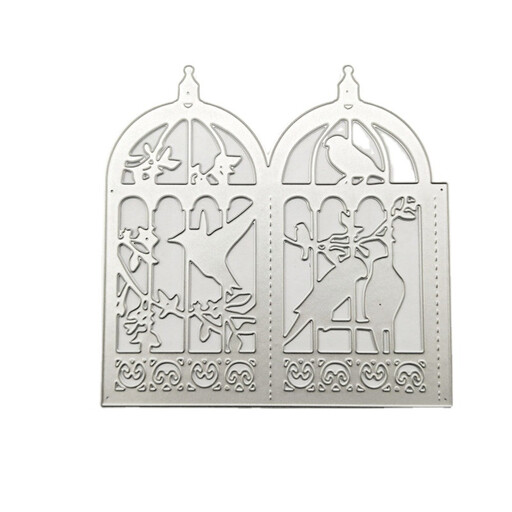
Metal Die Cuts Wedding Cutting Dies Stencils
Why it stands out: This die features an intricate design of a bridal couple under a floral arch. The fine lines allow for the creation of elegant and romantic paper projects.
Advantages:
Who it's for: For crafters who want to create personalized invitations, thank-you cards, or decorations for weddings, engagements, and anniversaries.
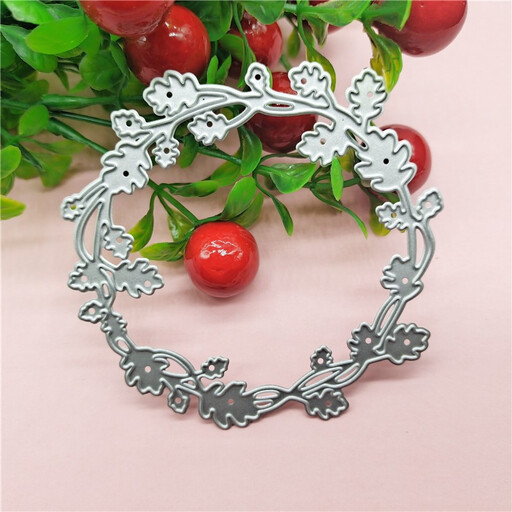
Creative Wreath Metal Cutting Dies Christmas Die
Why it stands out: The design of a detailed Christmas wreath makes this die a versatile tool for the festive season. It combines traditional elements like leaves and berries in a circular frame.
Advantages:
Who it's for: For anyone who enjoys crafting during the holiday season and creating custom Christmas cards, gift tags, or festive scrapbooking accessories.
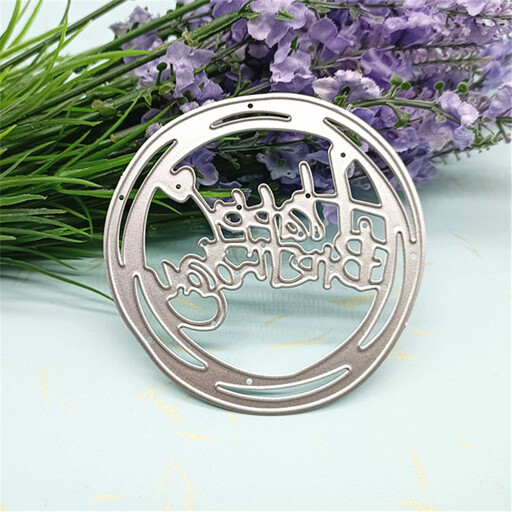
Happy Birthday English Metal Cutting Dies
Why it stands out: This die offers a clear and legible "Happy Birthday" sentiment in a modern script font. It is a fundamental tool for creating birthday cards.
Advantages:
Who it's for: For crafters who regularly make birthday cards and are looking for a reusable, stylish sentiment for their projects.
The products presented here cover specific occasions. If you are looking for other designs, shapes, or themes, you will find a broader selection in our main category. Discover more creative possibilities for your paper projects.
Explore Our Entire Selection of Metal Dies
1. What is the difference between cutting dies and embossing folders?Cutting dies (also known as dies) are metal shapes with a sharp edge used to precisely cut paper and other materials. Embossing folders, on the other hand, do not cut the material but instead create a three-dimensional, raised pattern on the surface through pressure. Some intricate cutting dies can also be used for embossing with a special rubber mat.
2. What paper is best for detailed cutting dies? For clean cuts with intricate designs, paper quality is crucial. Smooth, sturdy paper (cardstock) with a weight between 120 g/m? and 240 g/m? is most suitable. If the paper is too thin, the edges may fray, while cardstock that is too thick may not be cut through completely. It is advisable to perform a test cut with your chosen paper before starting the final project.
3. How do you clean and store cutting dies properly? After use, small paper scraps may remain in the die. These can be carefully removed with a piercing tool or a stiff brush. For storage, magnetic sheets or special storage pouches are ideal. This not only protects the dies from damage and bending but also keeps them neatly organized and readily accessible for your next project.