
Lieferung heute & morgen

Qualitätsgarantie

Willkommens-Angebote freischalten: KOSTENLOSE Lieferung | Bis zu 80 % RABATT | Kostenlose 30-Tage-JoyPlus-Testphase
App herunterladen
For paper crafting enthusiasts, cutting dies are indispensable tools. They enable precise and repeatable designs, adding a professional touch to greeting cards, scrapbook pages, and decorations. However, the market is vast, and quality can vary significantly. The wrong choice not only leads to frustration but also to wasted money. This guide will help you identify common pitfalls and select the right dies for your projects.
Before you invest in new designs, you should be aware of the three most common issues that arise with low-quality products:
To avoid these problems, you should check three technical features. These will help you objectively assess the quality and suitability of a cutting die.
Most high-quality metal cutting dies are made of carbon steel. This material is known for its hardness and durability, which ensures a long-lasting sharp cutting edge. Pay attention to the material specification. Another indicator is the thickness of the die. Very thin, flexible dies are often a sign of lower quality. A solid, sturdy construction is crucial for building up pressure in the machine and thus for a clean cutting result.
Before buying, check the compatibility with your die-cutting and embossing machine. Most product descriptions indicate which popular models (e.g., from Sizzix, Cuttlebug, or Spellbinders) the dies are suitable for. The correct "sandwich" setup—the sequence of plates, paper, and die—is critical. Sometimes, very thin dies (so-called "Wafer-Thin Dies") require additional adapter pads (shims) to generate the necessary pressure. Information on this can often be found in the machine manufacturers' instructions.
Consider what you primarily want to use the die for. For card making, frames, backgrounds, and sentiments are particularly popular. As scrapbooking accessories, themed sets, alphabets, and numbers are ideal. As a general rule: the more intricate the design, the higher the manufacturing precision of the die needs to be. For very detailed embossing folders or cutting dies, it is advisable to opt for products whose design is engineered for clean cut lines and easy removal of the die-cut paper.
To make your choice easier, we have matched some products to different user profiles.
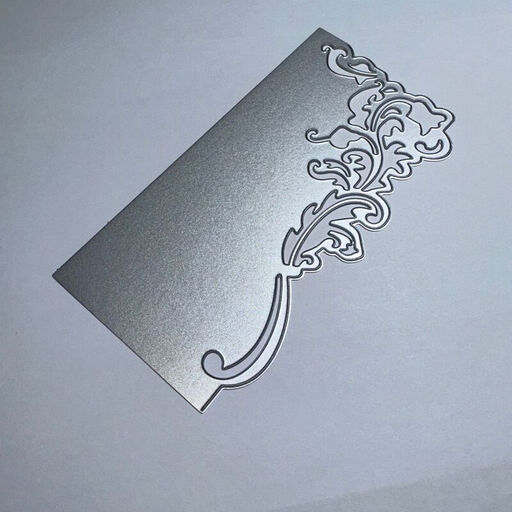
Why It's a Great Fit: Perfect for crafters getting started with paper crafting. The set offers a selection of simple yet versatile designs (flowers, animals) suitable for various occasions without requiring a large investment.
The clear and simple outlines of the designs minimise the risk of incomplete cuts, which is more common with intricate patterns.
Provides a great foundation for learning how your die-cutting machine works with straightforward shapes.
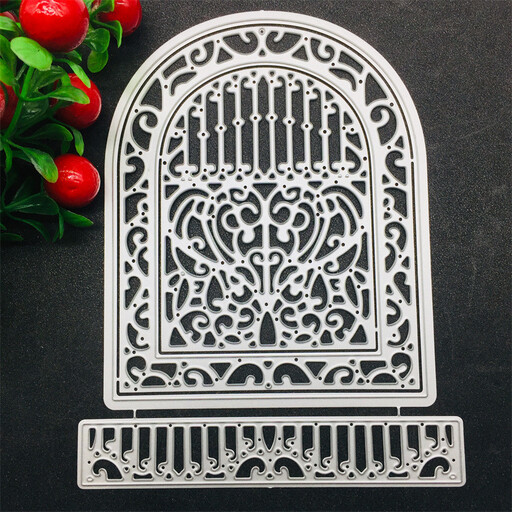
Why It's a Great Fit: Anyone looking to create elaborate, multi-layered cards needs precise framing elements. This die produces a detailed window frame that serves as a central element or background for invitations and greeting cards.
The design is engineered for a clean cut, even with the fine lace details. The solid construction ensures the necessary, even pressure.
Allows you to create cards with great visual depth and a professional look that stands out from simpler designs.
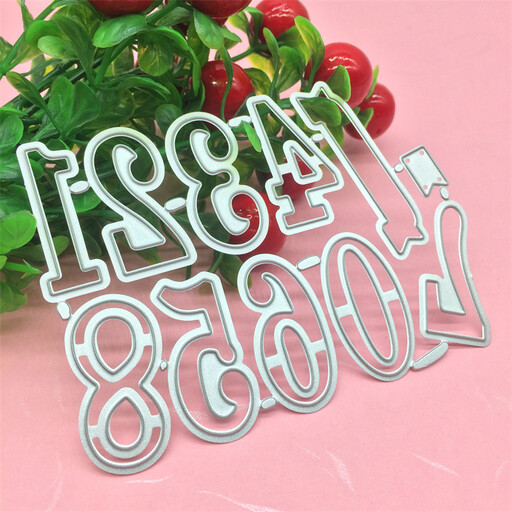
Why It's a Great Fit: Personalisation is key in scrapbooking. This complete set of letters and numbers is a fundamental scrapbooking accessory for customising names, dates, places, and titles for album pages.
Made from durable metal, it ensures a long lifespan even with frequent use. The classic, clean letterforms are not prone to cutting errors.
Maximum flexibility for countless projects. A one-time purchase that can be used to personalise crafts for years to come.
We have curated a comprehensive, up-to-date selection of products that meet our criteria for quality and compatibility.
1. What paper is best for cutting dies? You will achieve the best results with cardstock or thicker paper weighing between 160 g/m? and 240 g/m?. Very thin paper (under 120 g/m?) can tear easily with intricate designs, while very thick cardstock (over 300 g/m?) may not cut cleanly in a single pass.
2. How do I properly clean and store my metal cutting dies? After use, you should carefully remove small paper scraps from the crevices with a brush or a pointed tool (e.g., a needle or die pick). For storage, magnetic sheets or special folders that keep the dies flat and organised are ideal. This prevents them from bending or getting lost.
3. My cutting die isn't cutting properly, what can I do? First, check your machine's "sandwich" setup. Often, adding an extra sheet of paper or a thin piece of cardstock (a "shim") helps to increase the pressure. Try rotating the die 90 degrees and running it through the machine again. For persistent issues, especially with new dies, it may indicate poor quality or incompatibility.