
Lieferung heute & morgen

Qualitätsgarantie

Willkommens-Angebote freischalten: KOSTENLOSE Lieferung | Bis zu 80 % RABATT | Kostenlose 30-Tage-JoyPlus-Testphase
App herunterladen
For paper crafting enthusiasts, cutting dies are essential tools for embellishing greeting cards, scrapbook pages, and decorations with precise, repeatable designs. However, the market can be overwhelming, and not every die delivers the desired results. A poor choice of material or a lack of compatibility often leads to messy cuts and unusable outcomes. This guide will help you identify the crucial features and select the right metal cutting dies for your next DIY craft supplies project.
The variety of designs is immense, but the quality varies greatly. Certain flaws can quickly diminish the joy of crafting. Here are two common problems you can avoid with careful selection:
To ensure your crafting dies perform reliably and produce clean results, you should check two key aspects before buying. These criteria are crucial for the functionality and longevity of your scrapbooking accessories.
The quality of a cutting die depends heavily on the material used. Look for products made from carbon steel. This material provides the necessary hardness and stability to maintain sharp cutting edges even after many uses. A solid material thickness ensures that the die can withstand the machine's pressure without deforming. This is particularly important if you plan to work with thicker paper or cardstock. A well-made die is recognisable by its smooth, sharply defined edges without any burrs.
Before adding a die to your cart, check the product description for compatibility information. Most manufacturers specify which popular die-cutting machine types their products are suitable for. This will save you from making a bad investment. Equally important are the exact dimensions of the die and the finished design. Make sure the size fits your project, whether it's for a small gift tag or a large page for card making. The dimensions are critical to ensure the die-cut element fits harmoniously into your overall project.
Depending on their projects and experience, crafters have different demands for their tools. Here are some recommendations tailored to specific user profiles.
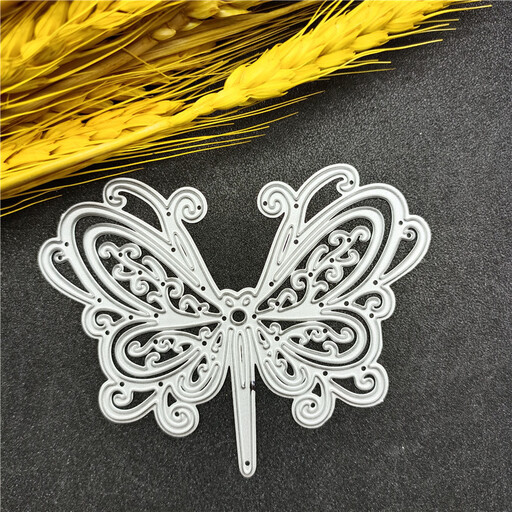
Why This Fits Their Persona: Ideal for beginners looking for a versatile and timeless design. Butterflies suit almost any occasion, from birthdays to get-well wishes, and provide an easy entry into the world of die-cutting.
This die is designed for use with most standard die-cutting machines, which minimises the risk of incompatibility. The simple yet elegant design does not place excessive demands on cutting pressure.
Universally applicable butterfly motif. A great foundation for a starter collection of cutting dies.
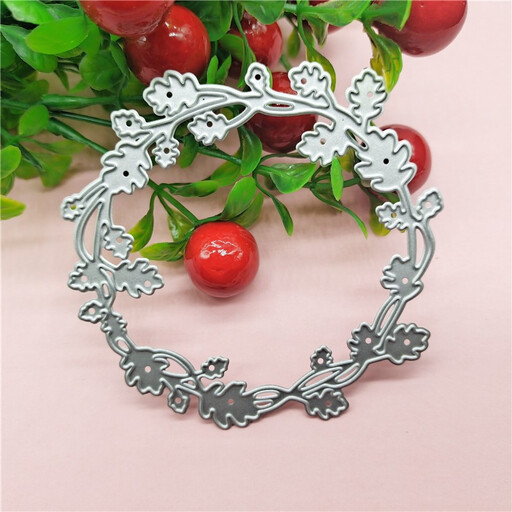
Why This Fits Their Persona: Perfect for crafters who create for specific seasonal occasions like Christmas. A wreath motif is a classic for festive cards and decorations, offering room for further embellishments.
Despite the detailed design, the die is made from robust steel that retains the sharpness needed for intricate cuts. This prevents incomplete cuts and paper fraying.
Specific Christmas motif for themed projects. Enables the creation of elegant, festive cards.
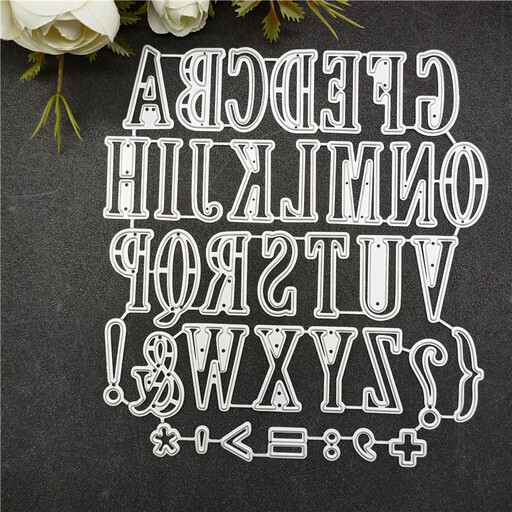
Why This Fits Their Persona: An alphabet set is a fundamental tool for anyone who wants to personalise their projects. It allows for the creation of names, messages, and titles, making it usable across all projects.
Consistent cut quality is crucial for alphabet sets. This set is made from durable steel to ensure constant performance and clean edges, even with frequent use of individual letters.
Complete set of 26 capital letters. Allows for maximum flexibility in personalising cards and scrapbooks.
We've compiled a comprehensive, up-to-date list of products that meet these strict selection criteria.
1. What is the difference between cutting dies and embossing folders?Cutting dies are designed to cut motifs completely out of paper or other materials. Embossing folders, on the other hand, do not cut the material but instead create a raised, three-dimensional pattern on the surface through pressure. Some thin metal cutting dies can also be used for embossing when paired with a special rubber mat.
2. How do I clean and store my metal cutting dies? After use, small paper scraps may get stuck in the die. These are best removed with a small brush or a special tool with a needle tip (pick tool). For storage, magnetic sheets or plates are excellent. The dies adhere to them, stay flat, do not bend, and are neatly organised.
3. What types of paper are suitable for use with cutting dies? Most metal cutting dies are optimised for standard craft paper and cardstock with a weight between 80 g/m? and 220 g/m?. For very thick cardstock (over 250 g/m?) or special materials like felt or craft foam, it may be necessary to run the die through the machine several times or use special dies designated for thicker materials.