
Lieferung heute & morgen

Qualitätsgarantie

Willkommens-Angebote freischalten: KOSTENLOSE Lieferung | Bis zu 80 % RABATT | Kostenlose 30-Tage-JoyPlus-Testphase
App herunterladen
For papercraft enthusiasts, cutting dies are indispensable tools for creating precise and creative greeting cards, scrapbook pages, and decorations. However, the seemingly endless selection of designs can be overwhelming and presents several pitfalls that lead to regrettable purchases. This guide will help you identify the crucial quality indicators and choose the right metal cutting dies for your die-cutting and embossing machine.
Before you expand your collection, you should be aware of three common problems that often only become apparent after purchase and can dampen your crafting enthusiasm.
To ensure your new scrapbooking accessories deliver the desired results, you should check three technical parameters before you buy.
The durability and functionality of a cutting die depend directly on its material. Most high-quality metal cutting dies are made from carbon steel. This material offers excellent hardness, ensuring the cutting edges remain sharp even after frequent use. Look for a smooth, precisely crafted cutting edge free of visible burrs or imperfections. A well-finished edge is essential for clean cuts, especially with thicker cardstock or intricate designs.
Always check the exact dimensions of the cutting die before purchasing. These should be listed in the product description. Compare these measurements with the maximum platform width of your die-cutting and embossing machine. This is especially important for large frame, background, or die set variants. A quick check of the dimensions reliably prevents you from buying a die that is too large for your machine.
Another critical factor for project success is the interplay between the design and the paper. Very intricate embossing folders and cutting dies with the finest details work best with lighter paper (approx. 80–160 gsm). With very thick cardstock (over 220 gsm), extremely fine lines may not cut through completely, or the paper might tear in delicate areas. For card making with sturdy cardstock, designs with cleaner, less complex lines are often a better choice.
To make your selection easier, we have matched some products to different user profiles.
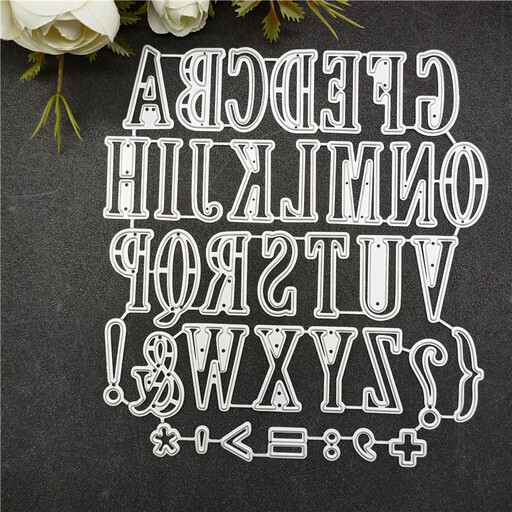
Why This Fits Their Persona: Ideal for anyone who wants to personalise their projects. A complete set of alphabet dies is a fundamental and versatile addition for any crafter to create names, greetings, or titles.
The clean, simple shapes of capital letters are less prone to cutting issues than highly complex designs. The size is standardised, and the result is predictable.
Maximum versatility for countless projects. The set includes all 26 letters of the alphabet for custom lettering.
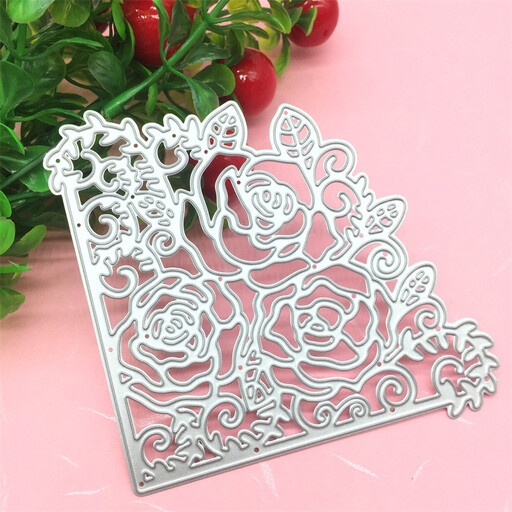
Why This Fits Their Persona: Perfect for crafters who want to design elegant and professional-looking cards. These corner elements add a sophisticated frame to any card without appearing cluttered.
The open structure of the corner designs is less susceptible to unclean cuts than full-coverage, extremely fine patterns. Its function as a framing element is clearly defined.
Quickly and easily creates a decorative frame. The Art Deco style design is timeless and suitable for many occasions.
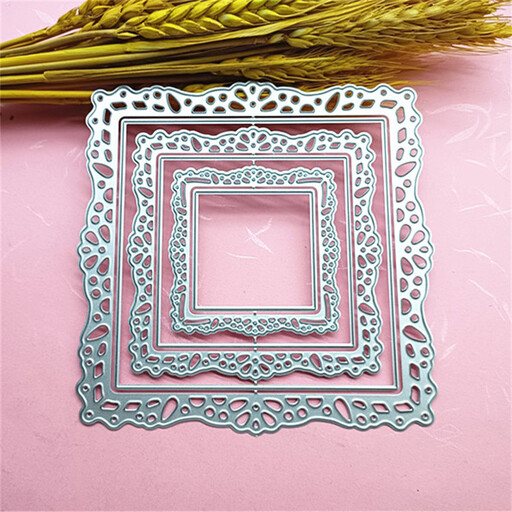
Why This Fits Their Persona: Ideal for designing scrapbook pages where textured backgrounds and layers play a key role. This die creates a large, decorative base for photos and other elements.
With background dies, the exact size is crucial and is usually clearly stated, which minimises the risk of incompatibility. The pattern is designed for repeated use as a texture.
Quickly creates large, decorative backgrounds. The lace pattern is excellent for layering techniques in DIY craft supplies.
We have compiled a complete, up-to-date list of products that meet these strict selection criteria and quality standards.
The choice of paper depends on the design. For very intricate dies, paper with a weight between 120 and 160 gsm works well, as it's sturdy enough, yet the fine edges can be cut cleanly. For more robust designs like simple geometric shapes or larger silhouettes, you can easily use cardstock up to 240 gsm or even thicker.
After use, small paper scraps can get stuck in the die. These are best removed with a small piercing tool or a stiff brush. For storage, magnetic sheets or special storage pockets are ideal. This keeps the dies organised, protected, and ready for your next paper crafting project.
Not directly, but many cutting dies can be used for embossing. Instead of using the standard cutting plates, you'll need a special silicone embossing mat in your "sandwich" (the stack of layers in the machine). The die will then impress the design into the paper rather than cutting it. This creates a subtle, raised effect. Check your machine's manual for the correct sandwich configuration.