
Lieferung heute & morgen

Qualitätsgarantie

Willkommens-Angebote freischalten: KOSTENLOSE Lieferung | Bis zu 80 % RABATT | Kostenlose 30-Tage-JoyPlus-Testphase
App herunterladen
Cutting dies are essential tools for anyone dedicated to paper crafting. They enable precise and repeatable designs for card making, scrapbooking projects, or custom decorations. However, the growing selection can quickly become overwhelming and lead to purchasing decisions you'll later regret. Certain pitfalls, like incompatible formats or poor-quality materials, can dampen your crafting enthusiasm.
This guide will help you understand the key features of cutting dies. It shows you what to look for to find tools that work reliably and bring your creative ideas to life, without wasting money on unsuitable products.
Before you buy new die cuts, it's helpful to know the three most common problems that can arise during selection.
To avoid these problems, you should focus on a few fundamental technical specifications. These will help you objectively assess the quality and suitability of a die.
The durability and precision of a cutting die depend directly on its material. Metal cutting dies, especially those made from carbon steel, are a reliable choice. This material is distinguished by its high hardness, which keeps the cutting edges sharp for a long time and ensures clean cuts even with intricate designs. You can also recognize good craftsmanship by its smooth, burr-free edges that won't damage your paper.
Before buying, check the compatibility with your die-cutting and embossing machine. Most manufacturers specify which popular models (e.g., Sizzix Big Shot, Cricut Cuttlebug, Spellbinders Platinum) their dies are suitable for. Pay attention to the die's thickness. Standard, thin dies for card making are generally unproblematic. For thicker dies or special embossing folders, you might need additional die-cutting and embossing machine accessories like adapter plates.
Consider carefully what you need the die for. If you're looking for scrapbooking dies for backgrounds, you'll likely need larger formats. For themed projects like birthday dies or wedding dies, specific design sets are often more practical. Always compare the specified dimensions of the die with the space available on your card or scrapbook page.
To make the selection easier, we have matched some products to different user profiles.
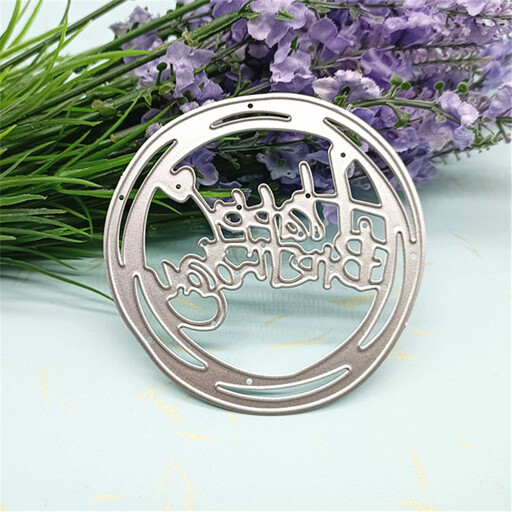
Why This Fits Their Persona: Ideal for crafters who regularly make birthday cards. This set provides a clear, reusable sentiment that serves as a central element or an accent for various card designs.
The clearly defined "Happy Birthday" design prevents ambiguity about the design and size. Its metal construction ensures clean cuts and durability, bypassing the problem of low-quality materials.
Universal sentiment for a wide variety of birthday cards. Compatible with most standard die-cutting machines.
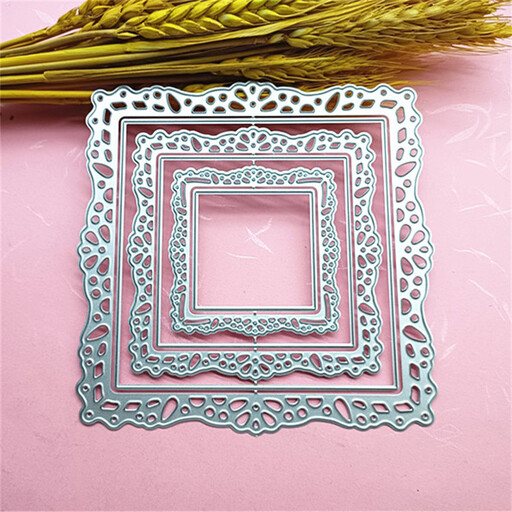
Why This Fits Their Persona: Perfect for advanced crafters who want to create layered and textured backgrounds for their cards or scrapbook pages. This tool creates an elegant base for further embellishments.
As a large-format background die, its purpose is clearly defined. The sturdy metal construction ensures that even the intricate lace pattern is cut cleanly without tearing the paper, a common issue with lower-quality dies.
Creates a complete, detailed background in a standard card size. Versatile enough to be combined with other designs.
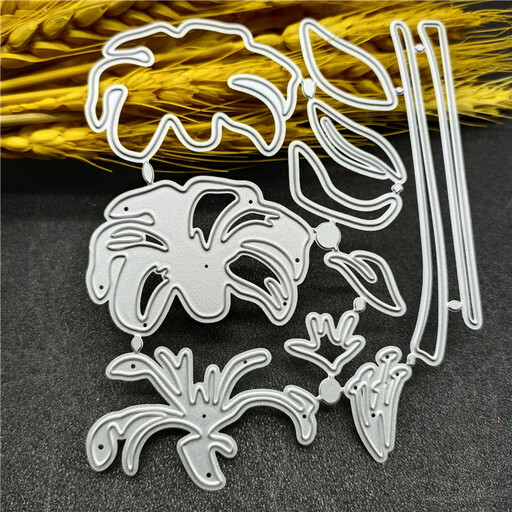
Why This Fits Their Persona: For crafters with a passion for floral and elegant designs. This die is excellent for creating greeting cards, gift tags, or embellishing photo albums with a timeless floral motif.
The product name "Lily Die" is unambiguous, avoiding any confusion about the design. The carbon steel material is designed for the precise cutting of delicate petals and stems, ensuring high-quality results.
Produces an elegant and detailed lily design. It can be used individually or combined to create a larger floral arrangement.
We have compiled a comprehensive, up-to-date list of products that fully meet these strict selection criteria and quality standards.
1. What material are good cutting dies made of? High-quality cutting dies are typically made of carbon steel. This material is robust enough to withstand the pressure of the die-cutting machine and allows for the creation of very sharp cutting edges. This ensures clean cutting results and a long lifespan for the die.
2. Do all cutting dies fit in every die-cutting machine? Most thin metal dies are compatible with the most common manual die-cutting and embossing machines. Nevertheless, it is advisable to check the product description. The crucial factor is the correct "sandwich" stack—the right sequence of plates and dies recommended for your specific machine. For thicker dies or those from niche manufacturers, special accessories may be required.
3. How do I clean intricate cutting dies? After cutting, small paper scraps can get stuck in the die. To remove them without damaging the die, it's best to use a special brush with stiff bristles (a die brush) and a piercing tool (a pick tool). Roll the brush over the die to loosen most of the paper pieces, and use the pick tool for stubborn scraps in small openings. Avoid bending the die.