
Lieferung heute & morgen

Qualitätsgarantie

Willkommens-Angebote freischalten: KOSTENLOSE Lieferung | Bis zu 80 % RABATT | Kostenlose 30-Tage-JoyPlus-Testphase
App herunterladen
For enthusiasts of papercraft, scrapbooking, and custom card making, cutting dies are indispensable tools. They transform simple paper into intricate works of art. However, the growing selection on the market makes the decision difficult. Not every die delivers the promised precision, and some disappointments only become apparent after the purchase.
This guide will help you identify the common pitfalls and develop criteria for making an informed choice. This ensures your next purchase will spark your creativity instead of hindering it with subpar tools.
Before you invest in new designs, you should be aware of the most common flaws that often only surface during use.
To avoid these problems, you should check three technical parameters before buying. These features are crucial for the functionality and durability of your tools.
The quality of a cutting die is directly linked to the material used. Most high-quality dies are made of carbon steel. This material offers a good balance of hardness and flexibility, ensuring sharp, durable cutting edges without breaking under normal use.
Also, pay attention to compatibility with the materials you plan to use. While almost all dies are suitable for standard paper (80–120 g/m?), you will need more robust dies for thicker cardstock (over 200 g/m?), felt, or craft foam.
Not every die fits every machine. Check the width of the die and compare it with the maximum pass-through width of your die-cutting and embossing machine. Most manufacturers adhere to common standard sizes, but caution is advised with particularly large or wide designs.
Equally important is the correct "sandwich" stack—the stacking order of the base plate, die, paper, and cutting plate. An incorrect combination can damage both the die and the machine.
The more intricate a design, the more important precise manufacturing becomes. With complex designs like lace patterns or lettering, quality truly shows. Here, not only the dies themselves but also the right accessories are crucial. A good craft glue that can be applied precisely without warping the paper is essential for assembling delicate pieces. Additionally, embossing folders can be used to give the die-cut shapes extra depth and texture.
Based on the quality criteria mentioned, we have selected a few products from our range for typical user profiles.
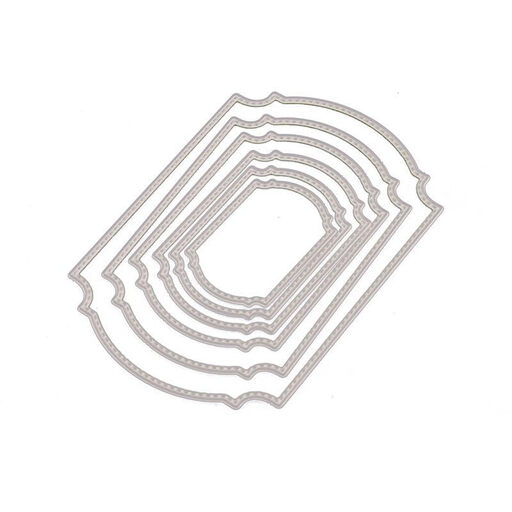
Why This Fits Their Persona: This set provides a versatile foundation for numerous projects. Beginners can use it to create backgrounds for card making, frames for photos in a scrapbook, or decorative labels, without committing to a single, specific design.
The simple, clean shapes are not prone to the cutting errors that occur with intricate designs. The set offers high utility and avoids the purchase of a die that is only usable for a single purpose.
Six nesting sizes allow for creating layered effects. The stitched edge gives every cutout a professional finish.
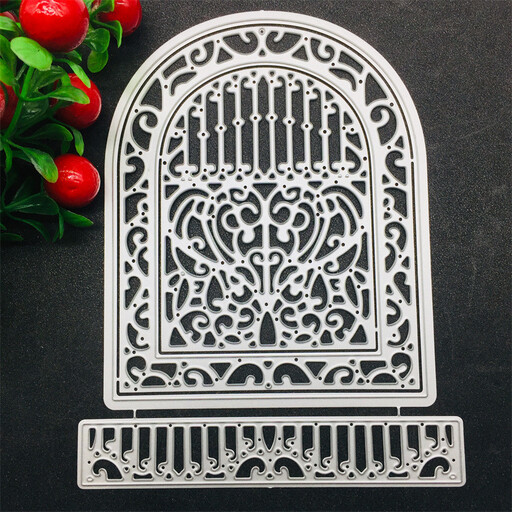
Why This Fits Their Persona: Perfect for crafters who create elaborate and impressive projects like wedding invitations, pop-up diorama cards, or themed scrapbook pages. This design creates an immediate focal point.
This die is designed for a clear, sophisticated purpose. Instead of making a vague promise, it delivers a specific, detailed result. The robust construction is engineered for the complexity of the design.
Creates a detailed architectural element that can be opened, enabling interactive cards. Ideal for combining with other floral or decorative die-cut pieces.
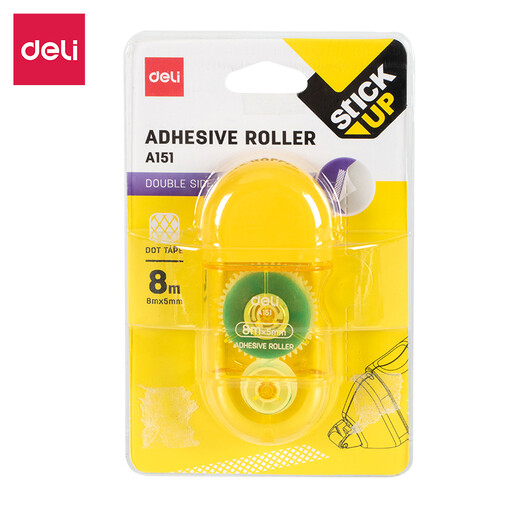
Why This Fits Their Persona: For crafters who value a clean and fast workflow. This glue roller is an essential scrapbooking supply for quickly and securely adhering die-cut pieces with no waiting time. It's the logical addition to your DIY craft supplies.
Prevents the frustration of liquid glue that warps thin paper, leaves unsightly stains, or creates strings. A clean adhesive application is just as important as a clean cut to avoid ruining a project right before completion.
Provides a dry, precise, and instant bond. Ideal for delicate paper pieces where liquid glue would seep through. The 4-pack ensures you have a convenient supply on hand.
We've compiled a complete, up-to-date list of products that meet these strict selection criteria and quality standards.
Most metal cutting dies on the market are compatible with common manual die-cutting and embossing machines. The key factor is that the width of the die does not exceed the maximum pass-through width of your machine. Read your machine's manual to find the correct "sandwich" stack for thin metal dies.
After use, small paper scraps may get stuck in the die. These are best removed with a piercing tool or a stiff brush. To protect the dies from bending, they should be stored flat. Magnetic storage sheets are a practical solution for this, as they hold the metal dies securely in place.
Cutting dies are designed to completely cut shapes out of a material. They have a sharp edge. Embossing folders, on the other hand, do not cut but instead reshape the paper to create a raised, three-dimensional pattern. Some thin cutting dies can also be used for light embossing in combination with a soft silicone or rubber mat, but they do not achieve the same depth as a dedicated embossing folder.