
Lieferung heute & morgen

Qualitätsgarantie

Willkommens-Angebote freischalten: KOSTENLOSE Lieferung | Bis zu 80 % RABATT | Kostenlose 30-Tage-JoyPlus-Testphase
App herunterladen
Whether in the kitchen, garden, or workshop, the right cutting tool determines the success of any project. However, the market is flooded with products whose marketing promises often suggest more than their functionality delivers. Many buyers discover only after a short time that their new tool is dull, uncomfortable, or unsuitable for its intended purpose. This guide will help you avoid common purchasing pitfalls and make an informed decision.
Selecting the right tool can be overwhelming. Certain issues repeatedly surface, leading to frustration and unnecessary expenses.
To avoid these problems, you should check a few fundamental technical parameters before buying. These features are crucial for durability, safety, and functionality.
The quality of the blade is the primary factor determining cutting performance and lifespan. A high-quality stainless steel blade is the foundation for long-lasting sharpness and corrosion resistance. Look for specifications like hardened steel or special alloys (e.g., SK5 steel for utility knives or folding saws), which ensure superior edge retention and robustness. A well-crafted blade requires less frequent sharpening and withstands the rigours of daily use.
An ergonomic handle ensures safe and comfortable handling. The material plays a key role here: non-slip surfaces made of rubber or specially shaped plastic or wooden handles provide a firm grip and reduce strain on your hand and wrist. For tools intended for extended use, like a lopper or a knife set, good ergonomics are essential for precise, fatigue-free work.
Every task requires a specific tool. Pruning shears are designed for cutting green, living wood, while anvil pruners are better suited for dry, hard wood. Delicate craft scissors allow for precise cuts in paper and cardstock but would be overwhelmed by fabric or packaging material. For children, special kids' scissors with rounded tips and ergonomics adapted for small hands are essential. Choosing the right tool—whether it's a knife set for the kitchen or a folding saw for the garden—is fundamental for both efficiency and safety.
Here are some product recommendations tailored to specific user profiles and their needs.
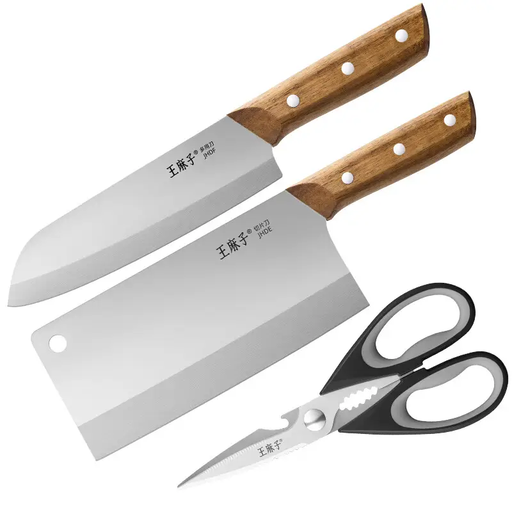
Why It's a Match: This set provides a solid foundational kit for daily kitchen tasks. It includes a versatile cleaver, a slicing knife for clean cuts, and a durable pair of kitchen shears to simplify many small jobs.
The forged, high-quality stainless steel blades resist premature dulling. The ergonomically shaped wooden handles prevent the pitfall of uncomfortable grips.
The combination of forged blade quality and a complete set for various tasks offers excellent value for home use.
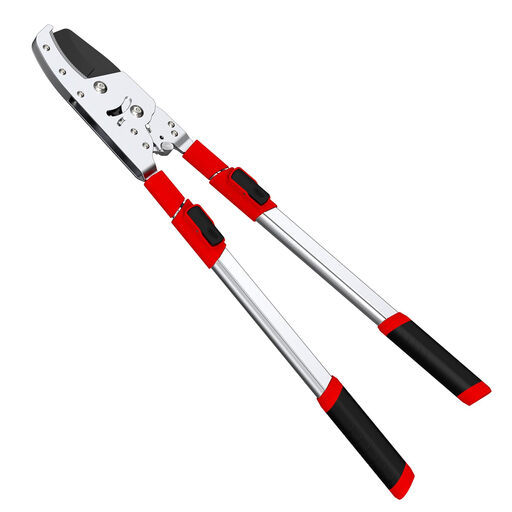
Why It's a Match: Ideal for demanding garden tasks. The telescopic handle allows you to reach high branches, and the ratchet mechanism enables you to cut through thick, dry wood with minimal effort.
This is a highly specialised tool that avoids the "improper tool selection" pitfall. Its robust carbon steel and aluminium construction is designed for durability.
The telescopic handle (72-105 cm) and 4-stage ratchet mechanism allow you to cut branches up to 50 mm in diameter without a ladder and with reduced effort.
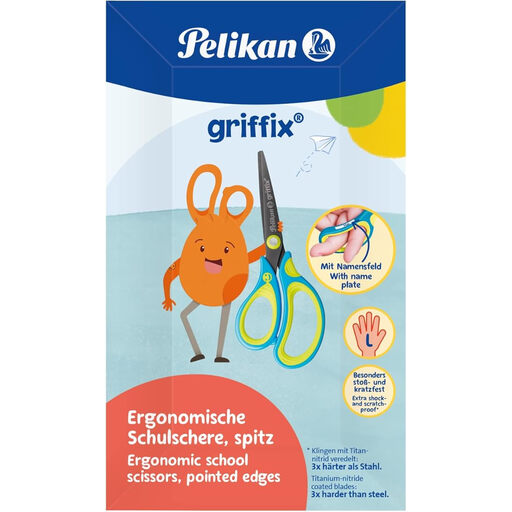
Why It's a Match: These kids' scissors were developed specifically for the needs of left-handed children. They provide a safe and frustration-free crafting experience for school and home.
The grip zones, designed specifically for left-handers, bypass the pitfall of uncomfortable handles. The titanium nitride-coated blades are robust and durable, counteracting the problem of premature wear.
The ergonomic left-handed design with recessed grips and the smiling "griffix face" for orientation encourage correct hand posture and make crafting fun.
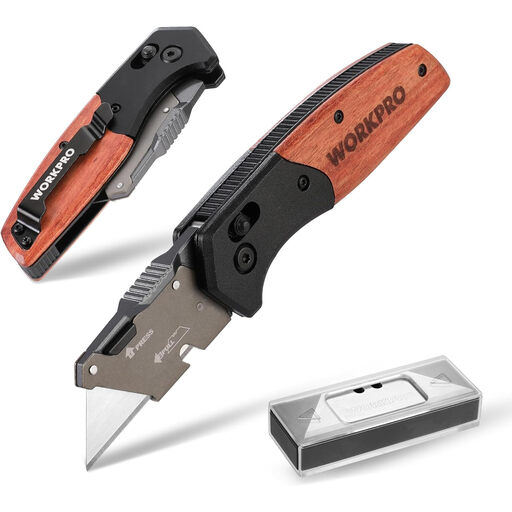
Why It's a Match: This utility knife is designed for DIYers who need to make precise cuts in materials like carpet, drywall, or packaging. It is robust, portable, and built for frequent use.
The included SK5 steel blades offer excellent edge retention, bypassing the problem of blades that dull quickly. The hybrid wood and aluminium handle provides a comfortable and durable alternative to all-plastic grips.
The tool-free quick-change blade mechanism and belt clip make this knife especially practical for on-the-go use and frequent blade changes during demanding projects.
We have compiled a complete, up-to-date list of products that fully meet these strict selection criteria and relevant safety standards.
1. How do I properly maintain a stainless steel blade to keep it sharp? Clean the blade with a damp cloth immediately after each use to remove any acidic residues or debris. Dry it thoroughly right away to prevent corrosion. Store knives in a knife block or on a magnetic strip to avoid contact with other hard objects. Depending on frequency of use, the blade should be regularly sharpened with a suitable tool (e.g., a honing steel or knife sharpener).
2. How can I identify a truly ergonomic handle? An ergonomic handle should fit comfortably in your hand without creating pressure points. Look for a shape that follows the natural contours of your hand. Non-slip materials like soft rubber (TPR) or textured wood provide extra grip. The tool should also be well-balanced, with a centre of gravity that allows for controlled guidance and minimises fatigue during extended use.
3. Can I use kitchen scissors for gardening tasks? This is not recommended. Kitchen scissors are designed for cutting food, herbs, and packaging. Their blades and pivot are not built to handle the stress of woody stems or branches. Using them in the garden can damage the scissors, cause them to dull quickly, and loosen the joint. For garden work, use dedicated pruning shears to ensure clean cuts and preserve your tools.