
Lieferung heute & morgen

Qualitätsgarantie

Willkommens-Angebote freischalten: KOSTENLOSE Lieferung | Bis zu 80 % RABATT | Kostenlose 30-Tage-JoyPlus-Testphase
App herunterladen
Whether in the kitchen, garden, or workshop, high-quality cutting tools are the foundation for precise, safe, and efficient work. However, the market is flooded with products whose marketing promises often fall short in practice. Many buyers invest in tools that quickly become dull, rust, or are unusable due to poor ergonomics. As your Joybuy Product Recommendation Officer, I'll help you identify the crucial quality features and make an informed choice.
Before we dive into the key parameters, let's highlight the typical problems that lead to frustration and unnecessary expense.
To avoid the pitfalls mentioned above, you should check three core parameters before buying. These largely determine the durability, performance, and safety of your tool.
The blade material is the most important factor. Look for precise specifications about the steel used:
Another objective indicator is the Rockwell Hardness (HRC). A higher HRC value (e.g., 55-60 HRC) means the blade retains its sharpness longer but can also be more brittle. A lower HRC value makes the blade tougher and less prone to breaking. Good manufacturers balance these properties depending on the intended application.
A good handle ensures control, safety, and comfort. The materials play a crucial role here:
Choose a tool designed for a specific task. Fine professional grooming scissors have different blades and tips than heavy-duty kitchen shears for cutting poultry. A complete knife block set offers the right tool for every task in the kitchen, from a paring knife to a bread knife.
Here are some product recommendations tailored to specific needs and use cases that meet the quality criteria mentioned above.
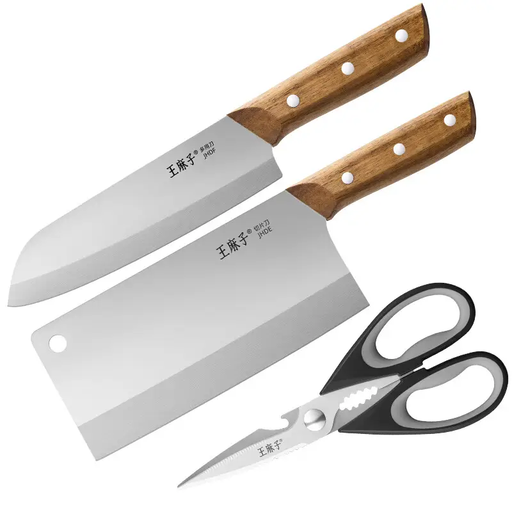
Why This Fits Their Persona: This set is aimed at cooks who value specialized tools for precise results. It provides a solid foundation for most cutting tasks in the home kitchen, from fine slicing to chopping herbs.
Instead of a single, inadequate multi-tool, this set offers three specialized tools. The blades are forged from high-quality stainless steel, avoiding the pitfall of inferior materials. The ergonomic wooden handles ensure a secure grip.
Forged blades offer greater stability and edge retention than stamped blades. The set covers the most important applications with a slicing knife, a utility knife, and kitchen shears.
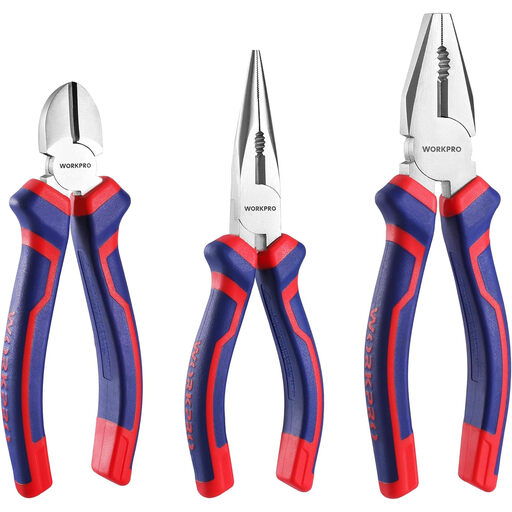
Why This Fits Their Persona: Ideal for DIY enthusiasts who need a reliable basic kit for household repairs. This set covers the most common tasks like gripping, bending, and cutting wires, without needing a special tool for every little job.
The set is made of heat-treated carbon steel, which ensures high durability (avoids the material trap). The ergonomic dual-component grips (PP+TPR) provide a secure hold and comfort, thus avoiding the ergonomics trap.
Offers three essential tools in one package: long-nose pliers, diagonal cutting pliers, and combination pliers. The precision-machined jaws ensure a firm grip and clean cuts.
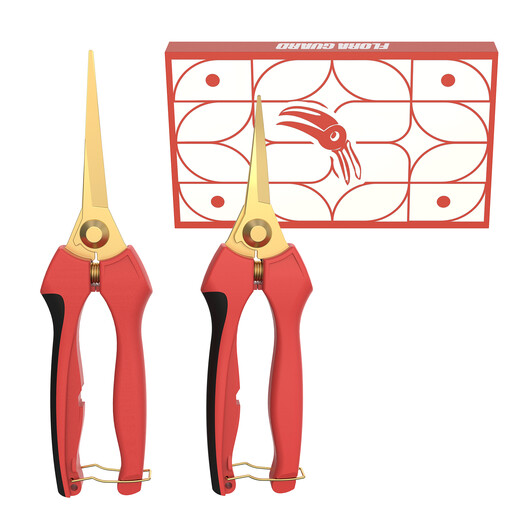
Why This Fits Their Persona: Perfect for garden enthusiasts dedicated to bonsai care, flower arranging, or other delicate cutting tasks. The precision of the blades allows for clean cuts, which are crucial for plant health.
This set avoids the trap of unspecialized tools by offering a straight and a curved shear for different fine-tuning tasks. The titanium-coated stainless steel blades (HRC54±2) are sharp, durable, and corrosion-resistant.
The high blade hardness ensures surgically precise cuts on branches up to 1.25 cm thick. The ergonomic composite handles reduce fatigue during extended use.
We have compiled a complete, up-to-date list of products that fully meet these strict selection criteria and safety regulations.
1. How do you properly care for stainless steel cutting tools to prevent rust? Even high-quality stainless steel can develop surface rust under certain conditions (e.g., contact with acids or salts). Clean your tools with warm water after each use and dry them thoroughly immediately. Occasionally wiping the blades and joints with a drop of acid-free oil provides additional protection.
2. What does the HRC value mean for a knife or chisel? The HRC value (Hardness Rockwell C) is a measure of the steel's hardness. A higher number (e.g., 60 HRC) means a harder blade that retains its sharpness longer but can chip more easily when prying or subjected to impact. A softer blade (e.g., 54 HRC) is tougher and more resilient but needs to be sharpened more frequently.
3. Can I use kitchen shears for gardening? It is not recommended. Garden shears are designed for cutting woody and fibrous plant stems and are often built more robustly. Using kitchen shears in the garden can damage the fine blades, making them unusable for their intended kitchen purpose. Additionally, the materials of garden shears are better suited to withstand weather conditions.