
Lieferung heute & morgen

Qualitätsgarantie

Willkommens-Angebote freischalten: KOSTENLOSE Lieferung | Bis zu 80 % RABATT | Kostenlose 30-Tage-JoyPlus-Testphase
App herunterladen
A dull knife, imprecise scissors, or a utility blade that fails after just a few cuts—we all know the frustration of using the wrong tool. The market for cutting tools is vast, and the advertising claims are often grandiose. But not every tool marketed as "universal" lives up to its promises. In fact, these claims often lead to poor purchases that cost you time, money, and frustration.
As your Joybuy Product Recommendation Officer, I'm here to filter through the noise and give you the essential information to make an informed decision. In this guide, we'll focus on the most common pitfalls and the key criteria that define a quality cutting tool.
Before we get to the solutions, it's important to recognize the typical problems that lead to disappointment.
To avoid these traps, you should focus on three verifiable core features. These define the quality and suitability of a cutting tool for your specific needs.
The blade material is the single most important factor for cutting performance and durability.
Choose the tool based on the specific task.
A good tool should fit securely in your hand and minimize risks.
Based on the criteria above, we have selected a few products that are particularly well-suited for specific user profiles.
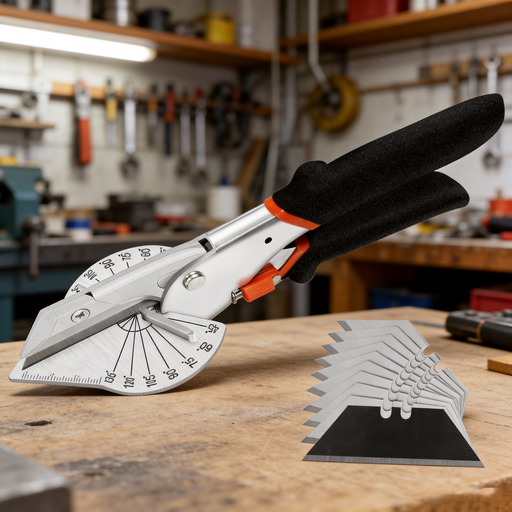
Why This Fits Their Persona: Ideal for renovators and hobbyists who need precise angle cuts on baseboards, PVC pipes, gaskets, or decorative trim. A specialized tool for clean and exact results.
This tool isn't a compromise; it's a specialized angle shear for trim. The SK5 steel blade ensures long-lasting sharpness, bypassing the problem of inferior materials.
Adjustable cutting angle from 45° to 135° with an engraved scale for high precision. Includes 10 spare blades and a safety lock.
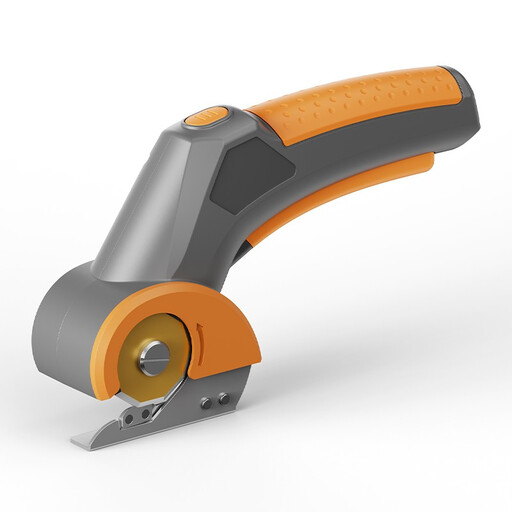
Why This Fits Their Persona: Perfect for crafters and DIY enthusiasts who regularly cut soft materials like paper, cardboard, carpet, leather, or felt. The electric function saves your hands and enables clean, continuous cuts.
These electric scissors are optimized for a specific group of materials and don't promise universal application. The ergonomic, lightweight design avoids the fatigue trap on larger projects.
Cordless, compact design for maximum flexibility. The rotating blade ensures clean cuts without fraying. Rechargeable 4V battery.
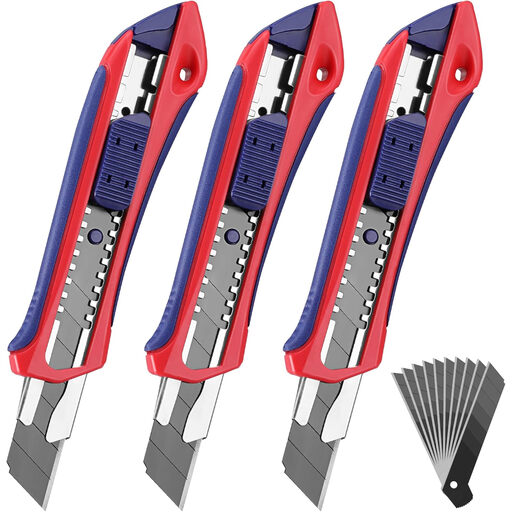
Why This Fits Their Persona: For anyone who needs a reliable tool for opening packages, cutting cardboard, or for general household repairs. A practical set that's always ready to go.
This utility knife set relies on high-quality SK5 carbon steel blades that are sharp and durable. The secure blade-locking mechanism and rubberized grip directly address the pitfalls of poor safety and ergonomics.
The set includes 3 knives and 10 replacement blades, offering excellent value for money. The snap-off blades ensure a sharp cutting edge is always available.
We've compiled a complete, up-to-date list of products that fully meet these strict selection criteria and safety standards.
Proper care depends on the material. Stainless steel blades, like those on kitchen shears, should be cleaned and dried after use to prevent spotting. Carbon steel (SK5) blades must be kept completely dry to prevent rust. A light coating of oil can further extend their lifespan. Keep moving parts clean and free of debris.
Electric scissors are particularly beneficial when you're making long, straight cuts or cutting through thicker, tougher materials like carpet, leather, or multiple layers of cardboard. They significantly reduce hand fatigue and ensure a more uniform cut. For fine, curved, or highly precise work, such as cutting fabric patterns with fabric scissors, a manual tool often provides more control.
SK5 is a Japanese carbon steel known for its high hardness and excellent edge retention. This means a blade made from SK5 steel can be sharpened to a very fine edge and will maintain that sharpness longer during intensive use than blades made from simpler steel. That's why it's frequently used for tools that require a robust and durable cutting edge, such as carpet knives or the blades of miter shears.