
Lieferung heute & morgen

Qualitätsgarantie

Willkommens-Angebote freischalten: KOSTENLOSE Lieferung | Bis zu 80 % RABATT | Kostenlose 30-Tage-JoyPlus-Testphase
App herunterladen
Whether you're renovating, gardening, or working on creative craft projects, the right cutting tool is often crucial for success. But the market is flooded with products whose marketing promises don't hold up in practice. A dull saw blade after just a few cuts or pliers with an uncomfortable grip can not only be frustrating but also slow down your work. As your Joybuy Product Recommendation Officer, I'll help you identify the common pitfalls and make an informed decision.
Many buyers are drawn to attractive designs or supposed special offers without checking the technical details. This often leads to disappointment. Pay special attention to these three points:
To avoid a bad purchase, you should focus on objective, verifiable criteria. These three parameters are crucial for the quality and suitability of a cutting tool.
The quality of a cutting tool lives and dies by its blade. Look for clear material specifications.
The choice of power source depends entirely on your application.
Good handling isn't a luxury but a necessity for precise and safe work.
Here are some recommendations tailored to specific needs that meet the quality criteria mentioned.
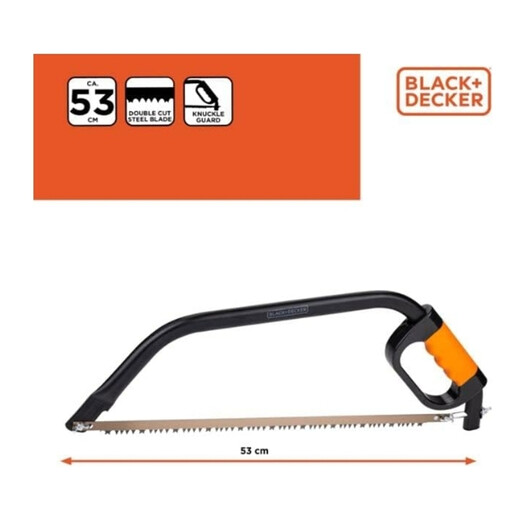
Why This Fits Their Persona: A classic, reliable hand tool that works without power or batteries. Ideal for various sawing tasks around the house or in the garden, from lumber to branches. It's always ready to use and easy to handle.
The sturdy 53 cm steel frame and hardened steel blade bypass the trap of inferior materials. The integrated knuckle guard directly addresses the pitfall of poor safety and ergonomics.
Ready to use instantly without a battery or cord. The soft comfort grip reduces vibration and fatigue, while the knuckle guard enhances safety during operation.
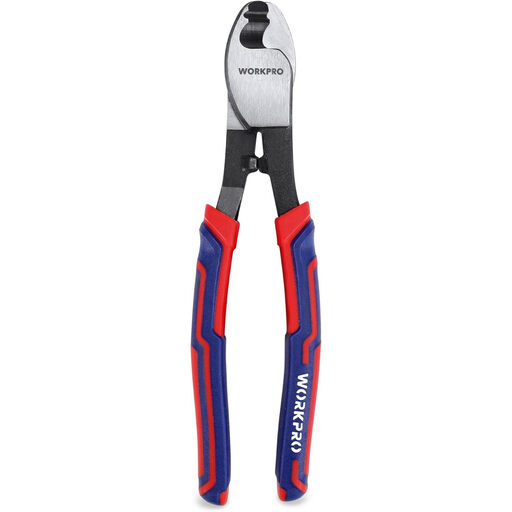
Why This Fits Their Persona: For DIYers and professionals who regularly perform electrical installations. This tool is specifically designed for cleanly cutting and stripping copper and aluminum cables, delivering precise results.
Made from Chrome Vanadium steel with a hardness rating of HRC 64-66, it ensures the cutting edges stay sharp even with frequent use. This avoids the trap of tools made from overly soft steel.
Hardened, sharp cutting jaws for clean cuts without fraying the cable. The ergonomic, non-slip TPR grip ensures secure handling and reduces hand fatigue.
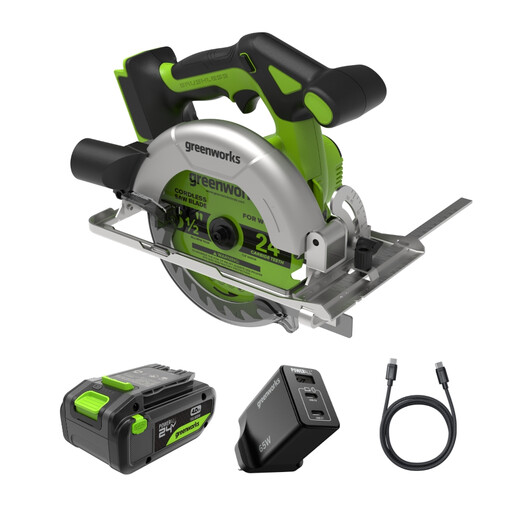
Why This Fits Their Persona: For DIY enthusiasts who regularly tackle wood projects and value performance and flexibility. The brushless motor and cordless operation enable powerful, precise cuts without tangled cords, ideal for building furniture or deck projects.
The brushless motor is a clear, technical performance feature that sidesteps the trap of vague or exaggerated promises. It objectively offers greater efficiency and a longer lifespan than conventional brushed motors.
High speed (5,000 RPM) for fast and clean cuts. The ability to make bevel cuts up to 45° and an adjustable cutting depth of up to 57 mm offer great flexibility for various projects.
We have compiled a complete, up-to-date list of products that fully meet these strict selection criteria and relevant safety regulations.
1. How can I identify a high-quality saw blade? You can identify a high-quality saw blade by its clear material specification. For woodworking, blades made of Chrome Vanadium (CrV) are a solid choice. For metal or mixed materials (e.g., wood with nails), bi-metal saw blades are often the better option as they combine the hardness of HSS teeth with the flexibility of a spring steel body. Pay attention to the teeth per inch (TPI): fewer teeth for fast, rough cuts; more teeth for fine, clean cuts.
2. How do I properly maintain cutting tools to extend their lifespan? Proper maintenance is simple but effective. Clean blades and joints of resin, shavings, and dirt after each use. A dry cloth is usually sufficient. For the joints of pliers or shears, a drop of machine oil now and then helps maintain smooth operation. Store your tools in a dry place to prevent rust.
3. Is it worth switching from manual tools to cordless tools for a DIYer? That depends on the frequency and type of your projects. For occasional repairs or when there's no power outlet nearby, manual tools remain unbeatable. However, if you regularly undertake larger projects like building furniture, laying floors, or extensive garden work, a cordless tool can significantly speed up and simplify the job. For many users, the convenience and time savings justify the higher initial cost.