
Lieferung heute & morgen

Qualitätsgarantie

Willkommens-Angebote freischalten: KOSTENLOSE Lieferung | Bis zu 80 % RABATT | Kostenlose 30-Tage-JoyPlus-Testphase
App herunterladen
Cutting tools need to suit the task, the material and the way you work. Secateurs for fresh shoots are not necessarily suitable for dry branches, and a multi-purpose cutter is no substitute for a kitchen knife set. If you focus only on a low price or claims such as ‘extra sharp’, you could easily miss important details.
Claims such as ‘suitable for many materials’ are of little use without specific limits. What matters is the type of material and its maximum thickness. Electric shears with a stated cutting capacity of 6 mm may be designed for certain soft materials, but not for metal or hard branches. For secateurs, the recommended branch diameter should be specified.
With cordless cutters and electric shears, check whether the battery and charger are included. The Drillpro Electric Scissor 80W, for example, requires a compatible 2.5 Ah battery; the version supplied with two batteries includes them, according to the product description. Spare blades, blade guards and storage solutions can also affect how useful an offer is.
An ergonomic handle makes a tool easier to use, but it doesn’t replace safety measures. Cutting tools need to be stored safely and should have a locking mechanism or blade guard. With a motorised hedge trimmer, you should also consider noise levels, vibration, the safe working distance and the appropriate personal protective equipment.
SK5 steel is used in various secateurs and cutting tools. But when choosing a tool, the specific design matters just as much as the material: is the blade coated, replaceable or fixed in place? A non-stick coating can make cleaning easier. Stainless steel is practical for bonsai shears and kitchen tools, provided you follow the care instructions.
Clean and dry blades after use. For secateurs, it’s a good idea to apply a thin film of oil to the pivot from time to time. Wooden parts, such as those on a charcuterie slicer or knife block, shouldn’t be left in water for long.
For plants, the type of cut matters:
Look for clearly stated specifications such as angle range, maximum material thickness, blade length and tooth spacing. When cutting food, hygiene, ease of cleaning and intended use are also important.
For a cordless cutter, the battery type, charging connection, runtime and availability of spare parts are all worth checking. A tool with a built-in battery can be charged easily via USB-C, while a system tool with a replaceable battery may be better suited to longer sessions, provided you have compatible batteries.
Petrol-powered tools, such as a motorised hedge trimmer, also require fuel mix, maintenance and hearing protection. The Waldmann HT262 hedge trimmer runs on a 40:1 fuel mix and has a stated sound pressure level of 99.3 dB(A). Keep specifications like these in mind before buying and using the tool.
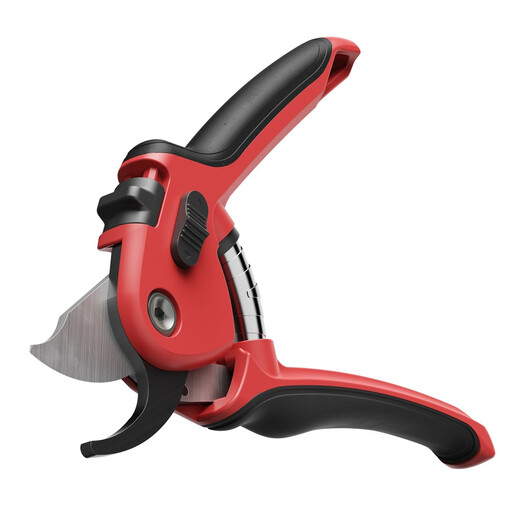
Why this product suits this profile: These secateurs are designed for everyday pruning of fresh shoots, roses and ornamental plants, and have a clearly stated cutting capacity.
The stated maximum branch diameter of 15 mm clearly defines what these secateurs can handle. They’re not intended to replace loppers.
Coated SK5 steel, adjustable handle opening, a lock that can be operated from either side and non-slip handles.
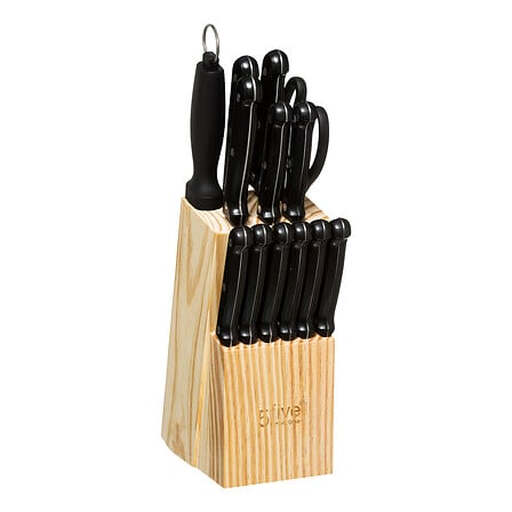
Why this product suits this profile: This set brings together a range of kitchen knives, six steak knives, a sharpener and a pair of scissors in a wooden block for tidy storage.
The product description lists each knife type and accessory, so you can check whether you actually need a chef’s, bread, boning or paring knife.
11 knives, a sharpener and scissors; the wooden block provides dedicated storage slots. Hand-washing is recommended in the care instructions.
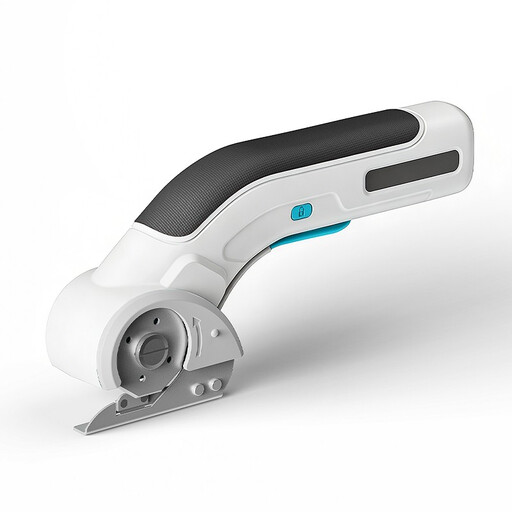
Why this product suits this profile: This cordless cutter is designed for DIY, sewing and craft projects involving felt, carpet, leather, plastic or cardboard.
The battery, charging method and contents are clearly specified. According to the description, the set includes just one cutting blade, so you may want to plan for a replacement.
4.2-volt lithium-ion battery, USB-C charging, 0.39 kg weight, blade lock and tool-free blade replacement.
We’ve put together a comprehensive, regularly updated list of products that meet these strict selection criteria and fully comply with the safety regulations in force in the EU.
For many households, a pair of secateurs for thin shoots, a kitchen knife set and a pair of household scissors will be enough, along with a craft or DIY cutting tool if you have a particular hobby. If you work with trim, you may need mitre shears. For thicker branches, loppers are more suitable than small secateurs.
Lifespan depends on the material, how the tool is used, and how it’s cleaned and stored. Cutting on hard surfaces, using tools on materials that are too thick and exposure to moisture can put extra strain on the blades. Replaceable blades don’t automatically extend the life of the whole tool, but they do make maintenance easier. Regular cleaning, drying and using the tool for its intended purpose are key.
Before buying, check the battery type, charger, runtime, cutting capacity, weight and replacement blades. For motorised tools, noise and vibration levels and the required protective equipment should also be factored into your costs and plans for use. This will help you decide whether a cordless cutter is right for occasional craft projects or longer sessions.