
Lieferung heute & morgen

Qualitätsgarantie

Willkommens-Angebote freischalten: KOSTENLOSE Lieferung | Bis zu 80 % RABATT | Kostenlose 30-Tage-JoyPlus-Testphase
App herunterladen
As a Joybuy Product Recommendation Officer, I see every day how the right tool can make the difference between a frustrating afternoon and a successful project. Inaccurate cuts, frayed fabric edges, or struggling with unsuitable blades are common problems for DIYers and crafters. The goal of this guide is to provide you with expert insights and introduce specialized cutting tools designed for precise, efficient results across various materials.
The right tool depends on your project. To make an informed decision, you should consider a few technical aspects.
A cutting tool's performance is largely determined by its blade.
For fatigue-free work, especially on larger projects, the power source and handling are important factors.
Safety is a top priority with sharp tools. Look for integrated safety features. A lock-out switch, which prevents the device from being accidentally activated, is a standard feature on electric cutting tools. For manual shears like miter shears, a locking mechanism ensures the blades can be stored safely in the closed position.
Here is a selection of tools designed for specific tasks in the DIY and crafting space.
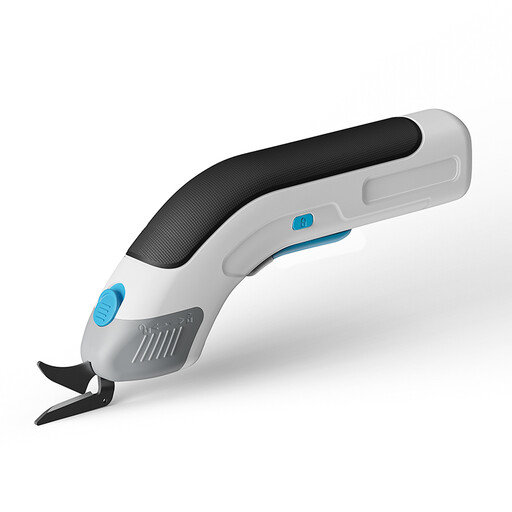
GARTOL 4.2V Cordless Electric Cutter, Pointed Blade
Why It Stands Out: This tool combines a powerful motor with a pointed blade, making it especially suitable for precise cuts on edges and in corners. The motor reaches a speed of 11,000 RPM, enabling clean cuts in a variety of materials.
Advantages:
Who Is It For? Ideal for crafters, sewers, and DIYers who regularly cut materials like fabric, felt, leather, cardboard, or thin plastic and require high precision for curves and corners. A useful crafting cutter for intricate projects.
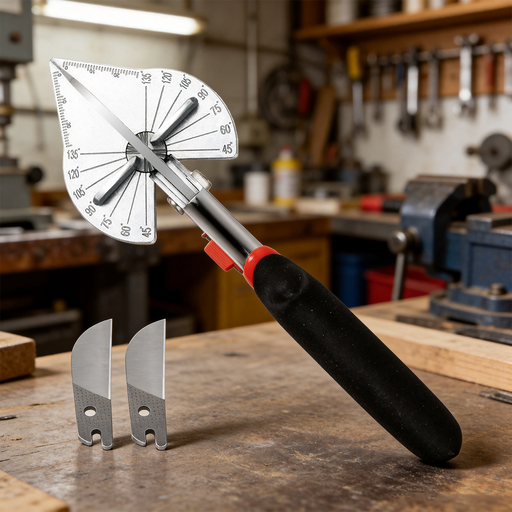
GARTOL Miter Shears, Multifunctional Trunking Tool
Why It Stands Out: These angle shears stand out with their adjustable cutting angle from 45° to 135° and an expandable design that allows for cutting materials up to 6.8 cm in diameter. The engraved scale supports precise angle cuts.
Advantages:
Who Is It For? An indispensable tool for renovators and DIYers who need to cut baseboards, decorative profiles, PVC strips, rubber gaskets, or thin wood trim at precise angles. It functions as both trim shears and PVC shears in one.
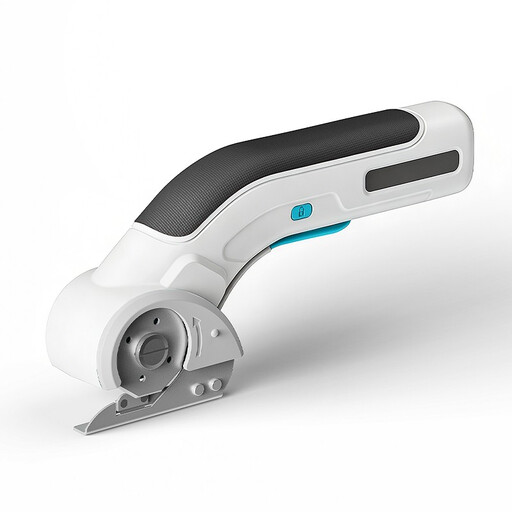
GARTOL 4.2V Cordless Electric Cutter, Round Blade
Why It Stands Out: This model is designed as an electric rotary cutter and uses a self-sharpening round blade to effortlessly make long, straight cuts. With a battery life of up to 2 hours, it is built for endurance projects.
Advantages:
Who Is It For? Perfect for users who cut large areas of flexible materials, such as when laying carpet, tackling large sewing projects, or cutting packaging materials. A powerful carpet cutter and a practical cordless fabric shear.
The tools featured here cover specific applications. If you haven't found the right model for your project yet, you may find a suitable alternative in our broader selection.
Discover More Shears and Cutters
1. What is the difference between miter shears and regular scissors? Miter shears are specialized tools with a fence or guide plate that allows you to cut materials like wood trim, plastic profiles, or rubber gaskets at a precisely adjustable angle (e.g., 45° or 90°). Regular scissors are not designed for making such angle cuts on rigid materials.
2. Can an electric cutter also cut thick materials like carpet? Yes, many electric cutters, especially models with a powerful motor (e.g., 11,000 RPM) and a robust blade, are designed to cut carpet, leather, cardboard, and similar tough materials. A model with a round blade is often advantageous here, as it severs the material more easily.
3. How do you properly maintain the blades of cutting tools? To maintain longevity and cutting performance, blades should be cleaned of debris and dirt after each use. A dry cloth is usually sufficient. For non-stainless blades, a thin film of oil can protect against corrosion. Always store the tools in a dry place and use the safety lock, if available, to protect the blade and prevent injuries.