
Lieferung heute & morgen

Qualitätsgarantie

Willkommens-Angebote freischalten: KOSTENLOSE Lieferung | Bis zu 80 % RABATT | Kostenlose 30-Tage-JoyPlus-Testphase
App herunterladen
Whether you’re renovating, sewing, crafting, cooking or carrying out installation work, the right cutting tool makes all the difference to cut quality, effort and safety. Many poor purchases aren’t down to the price, but to unclear information about materials, compatibility issues or exaggerated performance claims.
This guide explains what DIYers, tradespeople, sewing enthusiasts and households should look for when choosing cutting tools for home, trade and DIY.
An electric cutter may be suitable for fabric, felt, carpet, leather, plastic and cardboard. That doesn’t mean it can safely cut wood, metal or thick PVC pipes too. These materials require suitable saw blades, a PVC pipe cutter or specialist hand tools.
The key factors are:
For reciprocating saw blades and jigsaw blades, the material isn’t the only thing that matters. The shank shape, length, tooth pitch and fitting must also match the tool. T-shanks are used in many jigsaws, but they aren’t automatically compatible with every machine. For reciprocating saws, the supplier should explicitly specify a standard or universal shank.
Claims such as ‘up to two hours’ or a tested number of cuts depend on the material, pressure, temperature and work intervals. With cordless cutters, the charge level and age of the battery also affect actual use. A blade with a self-sharpening feature or coating won’t stay sharp indefinitely either.
A rotary cutter is often suitable for fabric, leather, carpet, plastic and cardboard. An electric cutter running at 11,000 rpm can make it easier to achieve even cuts in soft, flat materials. A pointed blade may be more practical than a rotary blade for corners and edges.
For wood, metal and plastic, you’ll need saw blades with a suitable tooth pitch:
For a PVC pipe cutter, the maximum opening is important. According to the product information, the DURATECH model is designed for plastic pipes with a diameter of up to 42 millimetres. It’s suitable for PVC, PPR, PE and similar plastic pipes, but not for metal pipes.
With a mitre shears, the angle range is also important. According to the product description, the FLORA-GUARD model offers settings from 45 to 135 degrees and is designed for soft materials such as plastic, PVC, rubber seals and softwood.
A cordless cutter can be used flexibly, but needs regular charging. The GARTOL rotary cutter is listed as having a 4.2-volt lithium-ion battery, USB-C charging, a weight of 0.39 kilograms and a runtime of up to two hours. According to the product details, the pointed GARTOL model weighs 0.2 kilograms and offers up to 45 minutes of runtime per charge.
Whichever tool you use, look out for:
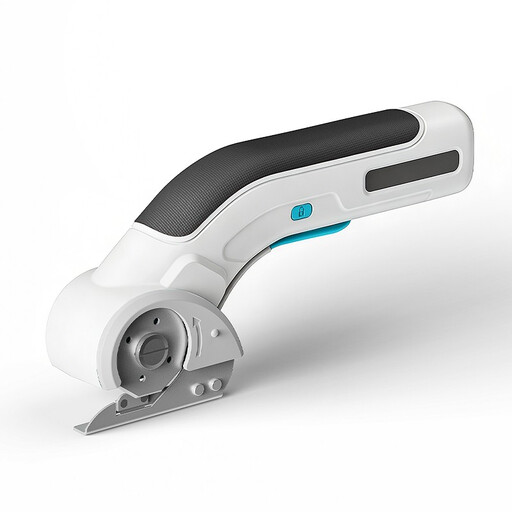
Why this product suits your needs: This cordless cutter is designed for smaller sewing, crafting and DIY jobs involving felt, carpet, leather, plastic or cardboard, and can be charged via USB-C.
The intended uses and package contents are clearly specified. Please note: it comes with one cutting blade and no spare blade.
11,000 rpm, a weight of 0.39 kilograms, USB-C charging and a built-in blade lock, according to the product details.
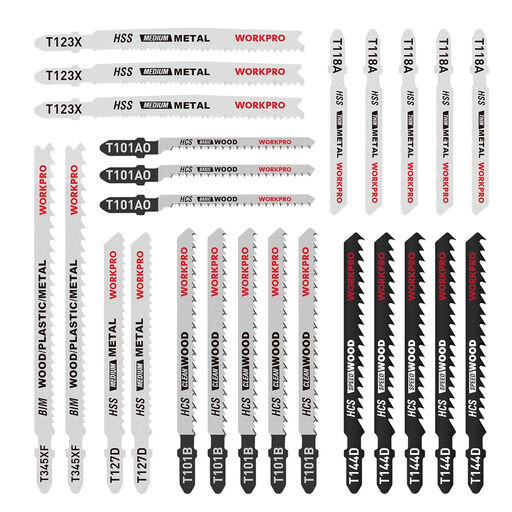
Why this product suits your needs: The set covers a range of jobs involving wood, plastic and metal, with several tooth designs for both rough and controlled cuts.
The blade types HCS, HSS and BIM are specified. Even so, check before buying whether your jigsaw takes T-shank blades.
25 blades for different materials, supplied in a plastic storage box.
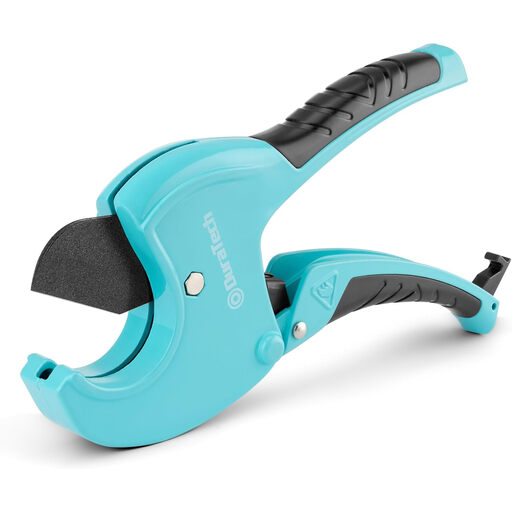
Why this product suits your needs: For plumbers, renovators and households that regularly repair plastic pipework, the ratchet mechanism guides each cut in stages.
Bear in mind the maximum diameter of 42 millimetres and that it isn’t suitable for metal pipes.
Ratchet mechanism, PTFE-coated blade and aluminium handle, according to the product description.
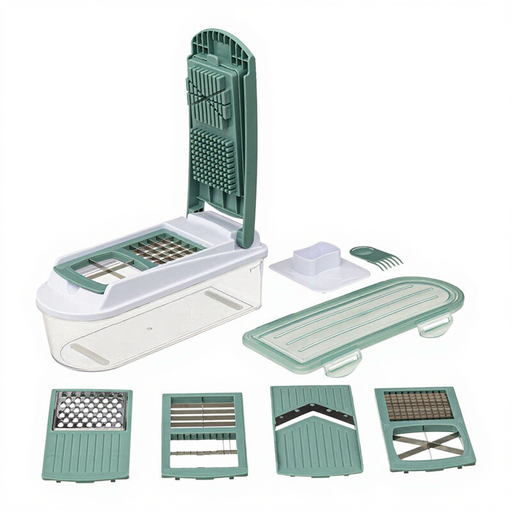
Why this product suits your needs: Interchangeable blades make it easy to slice, julienne and grate fruit and vegetables in your home kitchen.
Always use a hand guard or food holder with sharp mandoline blades, and never leave the blades loose in a drawer.
Stainless steel blades, a collection container, a food holder and several cutting attachments, according to the product description.
We’ve put together a complete, regularly updated list of products that meet these strict selection criteria and fully comply with the safety regulations in force in the EU.
Service life depends largely on how a tool is used. Remove any material residue from cutting blades after each use, then store them in a dry place. Blunt, damaged or bent blades require more effort and can damage the workpiece.
With cordless models, ongoing costs mainly come from replacement blades and, if needed, replacing the battery later on. A saw blade set is worthwhile if you regularly work with different materials. For occasional jobs, a small, suitable single blade is often enough.
A PVC pipe cutter with a sufficiently wide opening is suitable for plastic pipes and hoses. Check the diameter and material carefully. Metal pipes should only be worked on with a tool designed for that purpose.
There’s no one-size-fits-all answer. It depends on the material being cut, how long the tool is used, the number of charging cycles, and how it is cleaned and stored. Claims such as ‘up to 45 minutes’ or ‘up to two hours’ are manufacturer figures based on specific conditions, not a guaranteed runtime for every application.
As well as the fitting, the material, tooth pitch, blade length and type of cut all need to be suitable. Use finer teeth for controlled cuts in harder materials and coarser teeth for fast cuts in wood or demolition materials. Make sure the workpiece is firmly secured.