People who cycle regularly
If you want to have bars ready for several rides, check the number of individual bars and their weight. This will help you judge whether the pack contains portions that suit what you’ll actually take with you.


For regular cycling trips, a multipack is practical when the number and weight of the individual bars suit the portions you have planned. For on-the-go snacks, compare the stated carbohydrate content per bar. When it comes to sugar, sweeteners and allergens, check the ingredients for the specific variety you’re considering.
If you want to have bars ready for several rides, check the number of individual bars and their weight. This will help you judge whether the pack contains portions that suit what you’ll actually take with you.
For longer or more intense rides, the carbohydrate content per bar can help you choose. The German Nutrition Society describes carbohydrates as an important source of energy during sport, and notes that the duration and intensity of exercise are relevant factors.
If you need to watch out for particular allergens or compare sugar and sweeteners, check each variety individually. Ingredients and may-contain warnings can differ even between bars from the same brand.
First, work out how many portions you need and what size they should be. Then compare the nutritional information and ingredients of the varieties that meet your needs.
| Criteria | What to check when buying | Who it matters most to |
|---|---|---|
| Portions and supplies | Compare the number of bars with the weight of the pack and of each individual bar. | If you ride often, you’ll want enough individual portions in the right size, rather than judging the pack by its overall size alone. Around 31% of consumers put this need first. |
| Carbohydrates | Check the carbohydrate content per 100 g and the weight of each bar to work out how much is in one portion. | If you’re planning a longer ride, you’ll want to know how much carbohydrate each portion contains. For around 31% of consumers, this is their main consideration. |
| Sugar and sweeteners | Check the ‘of which sugars’ figure in the nutritional information, along with sweetening ingredients, including polyols. | If you haven’t tried a variety before, you’ll want to consider its sweeteners and how well you personally tolerate them. Around 23% of consumers give this point priority. |
| Allergens and ingredients | Check the ingredients list, highlighted allergens and any may-contain warnings on the specific pack. | If you have a relevant allergy, the variety you choose must meet your needs, regardless of any other information on the pack. Around 15% of consumers put checking the ingredients first. |
A higher number of individual bars doesn’t automatically mean their weight suits the portions you have in mind for your rides.
Compare the number of bars, the weight of each one and the total pack weight together.
Products with this claim can still contain sweeteners or polyols. The sugar figure alone also won’t tell you how well you’ll personally tolerate a bar.
Read the ingredients list alongside the nutritional information. Don’t try an unfamiliar bar for the first time on a long or important ride.
An organic claim or a statement about gluten or lactose doesn’t, by itself, tell you whether a variety contains peanuts, tree nuts or sesame.
For each specific variety, check the highlighted allergens and any may-contain warnings.
The ingredients and nutritional information on a pack you buy may differ from product information you’ve seen previously.
Before eating, check the ingredients, allergens and nutritional information on the pack in front of you.
CORNY Schoko-Banane is an example of a classic cereal bar, sold in a 150-g pack.
ALDI SÜD sells a peanut cereal bar under this own-brand label in a pack of 8 × 25 g.
REWE sells various cereal bar varieties under the ja! brand in packs of 8 × 25 g.
The Nussmix and Sesam crunchy bars featured here come in packs of 3 × 25 g. They are crunchy bars, not necessarily cereal bars.
Nature Valley Crunchy Oats & Honey is an option with five twin bars, each weighing 42 g.
This selection includes multipacks of bars in a range of sizes for on-the-go snacking. Compare portion sizes and check the latest ingredients and nutritional information for each variety. Bear in mind that a biscuit bar isn’t the same as a cereal bar.
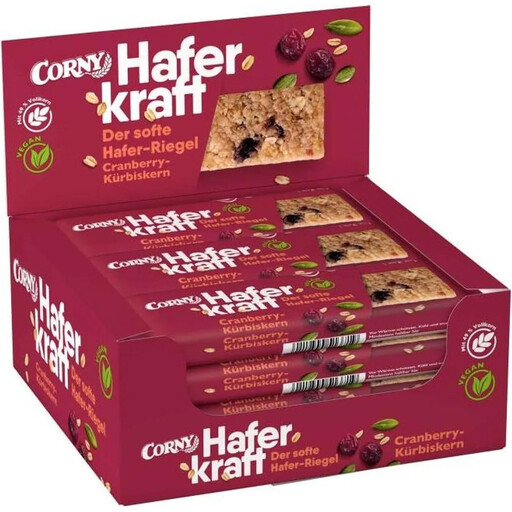 No image available
This pack of twelve 50-g bars could suit you if you’re planning equal-sized portions for several rides. Check the nutritional information per bar and the pack for details of gluten-containing oats and possible allergen traces.
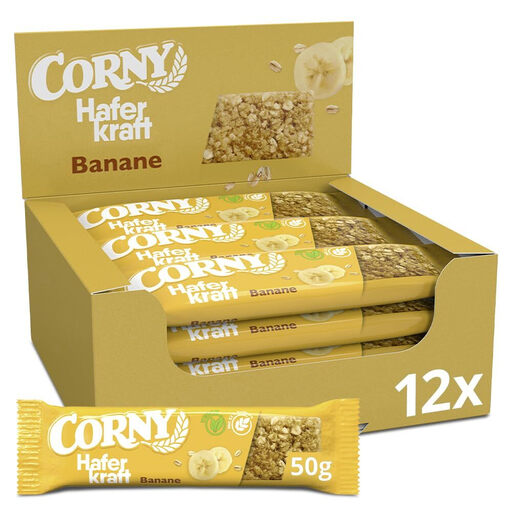 No image available
Twelve 50-g bars give you portioned snacks for several rides. Compare the carbohydrate content per bar with your plan, and check the ingredients and allergen warnings for the banana variety.
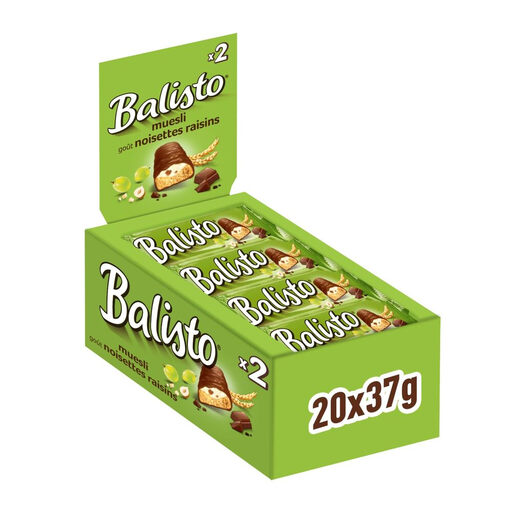 No image available
This pack gives you 20 portions of 37 g each, making it handy if you want bars ready for several occasions. These are biscuit bars, so don’t compare their nutritional information and ingredients with cereal bars based on the number of bars alone.
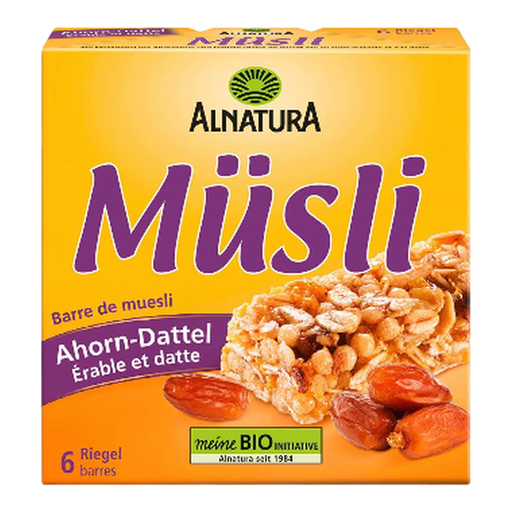 No image available
Six bars weighing 25 g each could suit you if you want to take smaller individual portions with you. Check the pack for the carbohydrate content per bar, the ingredients and any possible allergen traces.
 No image available
This pack contains twelve 50-g bars and is an option if you want to compare this particular variety. As well as checking the sugar figure, read the ingredients list for sweeteners. Pay particular attention to the peanut and other allergen warnings.
Compare the pack weight, number of bars and weight per bar together. For cycling snacks, it also helps to check the carbohydrate content per portion and the ingredients for the specific variety.
A cereal bar isn’t automatically the right snack for every ride. The German Nutrition Society describes carbohydrates as an important source of energy during sport. For your own planning, the duration and intensity of your ride, as well as the stated amount per bar, are among the relevant factors.
This claim alone doesn’t tell you about all the sweetening ingredients or how well you’ll personally tolerate the bar. Read the sugar figure and ingredients list together. For example, REWE lists polyols in the ja! chocolate bar described as having no added sugar.
Check the ingredients list, highlighted allergens and any may-contain warnings on the pack for the specific variety you’ve chosen. Even nut mix and sesame bars have different ingredients; another product claim doesn’t replace this check.