
Lieferung heute & morgen

Qualitätsgarantie

Willkommens-Angebote freischalten: KOSTENLOSE Lieferung | Bis zu 80 % RABATT | Kostenlose 30-Tage-JoyPlus-Testphase
App herunterladen
Choosing the right cycling gear can be a challenge. The market is flooded with products promising high performance, but not every expensive feature is necessary for your daily commute or weekend tour. This guide will help you identify the essential features and avoid common purchasing traps, so you can make an informed decision.
Before investing in new equipment, it's helpful to know the typical pitfalls that often lead to dissatisfaction or unnecessary expenses.
To make a smart purchase, you should focus on a few crucial technical features.
When you want to buy a road bike, the frame is its heart. The choice of material affects weight, stiffness, and ride comfort.
Besides the material, pay close attention to the frame size. The wrong size leads to an uncomfortable riding position and can significantly reduce your enjoyment. Measure your height and inseam, and compare them with the manufacturer's size charts.
A helmet is essential. Modern helmets offer more than just basic protection. An important technology is MIPS (Multi-directional Impact Protection System). This system consists of a low-friction layer inside the helmet, designed to allow a slight rotation of the head relative to the helmet during an angled impact. The goal is to reduce the rotational forces that can affect the brain.
The right accessories make everyday cycling easier and safer.
Here are some product suggestions tailored to specific user profiles that take the above criteria into account.
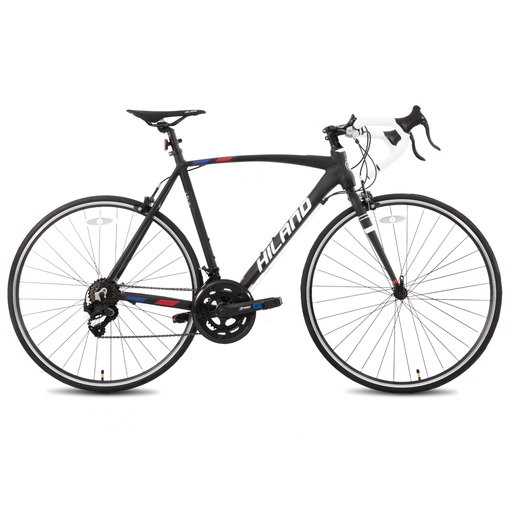
Why This Fits Their Persona: Ideal for those looking for a reliable entry-level road bike for city riding or their first long tours without a large budget. It combines the characteristics of a road bike with the everyday practicality for commuters.
This bike bypasses the "pro-level trap" by using a lightweight and solid aluminium frame. This offers excellent performance for everyday and recreational use without the high cost of a carbon frame.
The 14-speed drivetrain provides enough gears for both city and country riding. The 700C wheels ensure low rolling resistance and efficient travel.

Why This Fits Their Persona: Perfect for the daily commute in city traffic where safety is the top priority. This helmet is aimed at riders who value certified protection technologies.
This helmet addresses the "safety feature" pitfall by clearly focusing on the MIPS system. Instead of just considering aesthetics, it offers a technology designed to reduce rotational forces.
Integrated MIPS safety system. The 25 vents keep your head cool and ensure high comfort, even on warmer days.
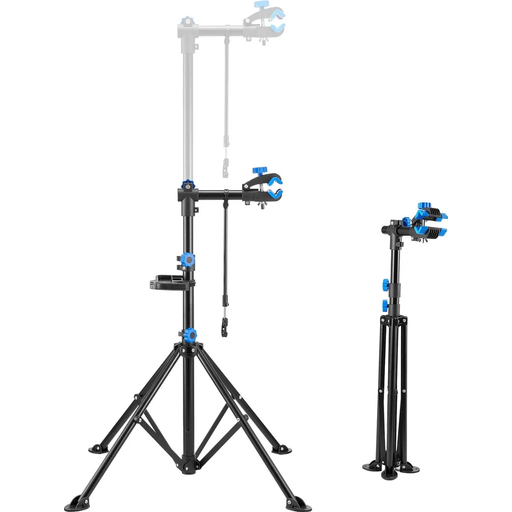
Why This Fits Their Persona: For cyclists who enjoy handling maintenance and repairs themselves. This repair stand allows for professional and comfortable work on your own bike, from chain care to brake adjustments.
Instead of incurring costs at a workshop for every minor maintenance job, this bike repair stand enables long-term savings. It's a one-time investment in the independence and care of your own equipment.
The 360° rotating clamp allows access to all parts of the bike. The height adjustability ensures an ergonomic working position, and the magnetic tool tray keeps screws and tools within easy reach.
We have compiled a complete, up-to-date list of products that fully meet these strict selection criteria and safety standards.
The right frame size is crucial for comfort and efficiency. It is primarily determined by your height and your inseam (inner leg length). Most manufacturers provide detailed size charts on their product pages. Measure your inseam and compare the value with the chart to find the recommended frame size. When in doubt, a slightly smaller frame is often the more agile choice for sporty riding.
A helmet with MIPS is designed to manage rotational forces that can occur during an angled impact. Whether the extra cost is justified depends on personal priorities. For riders who regularly navigate dense traffic or tackle demanding routes and place a high value on additional safety mechanisms, investing in MIPS can be a worthwhile consideration.
The difference lies in the level of protection against moisture. Water-resistant means the material can repel light rain or splashes for a short time but will let water through during sustained or heavy rain. A waterproof bag, on the other hand, is constructed (e.g., with welded seams and special closures) to prevent any water from getting in, even in a heavy downpour. For commuters, a waterproof bike bag is generally the more reliable choice.