
Lieferung heute & morgen

Qualitätsgarantie

Willkommens-Angebote freischalten: KOSTENLOSE Lieferung | Bis zu 80 % RABATT | Kostenlose 30-Tage-JoyPlus-Testphase
App herunterladen
A high-quality pair of cycling glasses is more than just a fashion accessory. It protects your eyes from UV radiation, wind, insects, and airborne debris. At the same time, it enhances your vision, significantly contributing to both safety and performance. However, with the vast array of technologies, materials, and designs available, making the right choice can be complex.
This guide is here to help. We'll explain the key features of modern cycling glasses and present a selection of models for different needs, enabling you to make an informed decision.
To find the perfect pair of sports sunglasses, you need to consider several technical aspects that go beyond mere aesthetics.
The lenses are the heart of any pair of glasses. Their properties determine how well you perceive your surroundings.
Safety and durability depend heavily on the materials used.
A pair of cycling glasses must sit securely, even at high speeds and on uneven terrain. Non-slip, rubberised, or adjustable nose pads and temple tips are essential for this. An aerodynamic, close-fitting design also reduces drag and prevents wind from irritating your eyes.
Based on the criteria above, we've curated a selection of models that highlight different technological strengths.
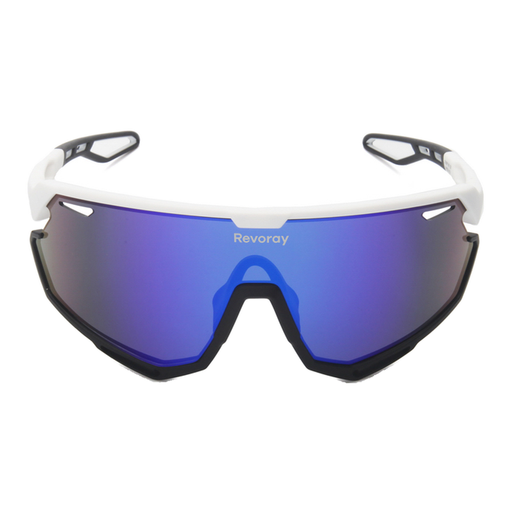
Why it stands out: This model combines an aerodynamic design with a robust, single-piece PC lens. The focus is on stability at high speeds and a wide, unobstructed field of view.
Pros:
Best for: Road cyclists and competitive athletes looking for lightweight, stable, and protective men's and women's cycling glasses for intense training sessions and high speeds.
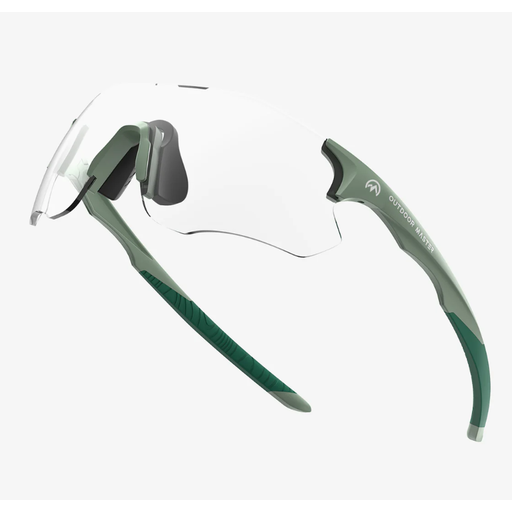
Why it stands out: The strength of these glasses lies in their adaptability. The photochromic technology reacts to changing light conditions, making them a versatile companion.
Pros:
Best for: Mountain bikers and touring cyclists whose routes frequently alternate between sunny stretches and shaded forest trails.
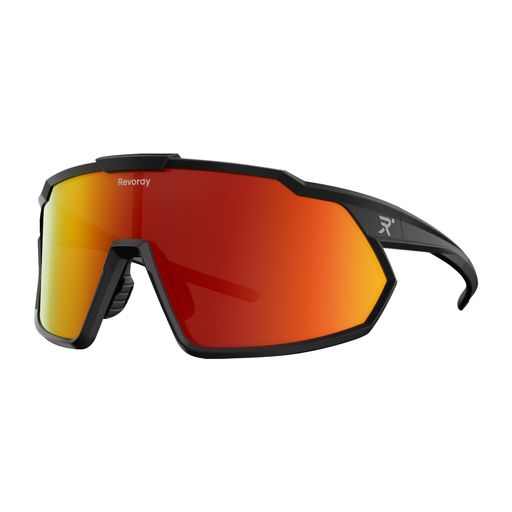
Why it stands out: These cycling glasses are polarised and designed for maximum glare reduction. Their performance is underscored by testing that meets the ANSI Z87.1 impact resistance standard.
Pros:
Best for: A great choice for cyclists who often ride in bright, sunny conditions and need reliable glare reduction, for example, on wet roads.
If our featured models don't quite meet your needs, or if you're looking for a specific colour like green, you might find the perfect pair in our wider collection.
Discover more green glasses and other sports sunglasses
The term UV400 protection indicates that the glasses' lenses filter ultraviolet rays up to a wavelength of 400 nanometres. This includes both UVA and UVB rays. Such protection is crucial for safeguarding the eyes from short- and long-term damage caused by sun exposure.
There's no single best option; the choice depends on your primary use case. Polarised lenses are excellent for rides in consistently bright conditions, as they minimise glare from surfaces like wet roads. Photochromic (self-tinting) lenses are ideal for routes with frequent changes between sun and shade, as they flexibly adjust their tint to ensure consistently good vision.
For MTB glasses, protection and a secure fit are paramount. Key features include high impact resistance in the lenses to protect against branches or stone chips, a wide field of view for good peripheral vision on the trail, and a robust, non-slip fit that stays in place even during heavy vibrations. Good ventilation to prevent fogging is also a major plus.