
Lieferung heute & morgen

Qualitätsgarantie
App herunterladen
Kategorien
Cycling glasses are an essential piece of functional gear, designed primarily to protect your eyes from UV radiation, wind, insects, and airborne debris. Selecting the right model depends on objective criteria such as lens technology, frame material, and fit. These factors determine the performance and comfort during activities like road cycling or mountain biking.
The choice of sports sunglasses should be based on an analysis of their technical specifications. The following parameters are crucial for functionality.
The lenses are the most critical component of any sports eyewear. Their properties determine how well you perceive your surroundings and how effectively your eyes are protected.
The frame significantly contributes to the comfort and stability of the glasses.
The following models have been selected based on their technical specifications and functional design. They are aimed at dedicated cyclists looking for high-performance men's sports glasses or women's sports glasses.
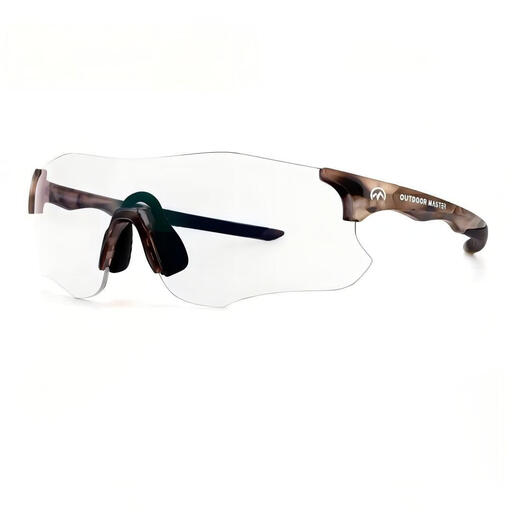
Why we recommend this product: This model is distinguished by its photochromic HD lenses, which automatically adapt to light conditions from Category 0 to 3. This offers great versatility for riders who frequently move between sunny and shaded sections. The lightweight TR90 frame and non-slip components ensure a secure fit.
Pros:
Best for: Cyclists and outdoor athletes who want a single pair of glasses for a wide range of light conditions and who value automatic functionality and comfort.
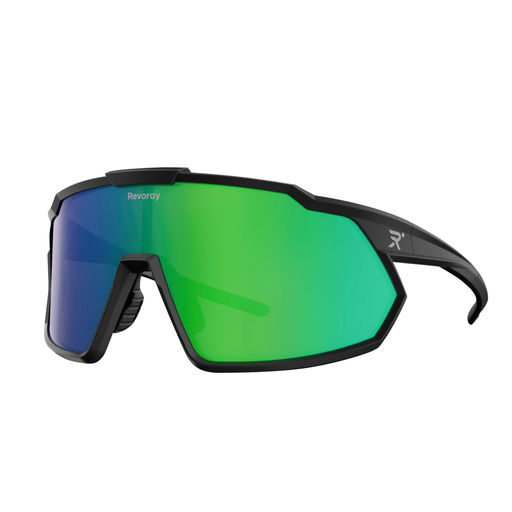
Why we recommend this product: This model focuses on reducing glare with its polarised HD TAC lenses. With a light transmission of approx. 15.2%, it is optimised for bright, sunny days. Its certification according to the ANSI Z87.1 impact resistance standard highlights its robust construction.
Pros:
Best for: Cyclists who primarily ride in strong sunlight and require maximum glare reduction for fatigue-free vision.
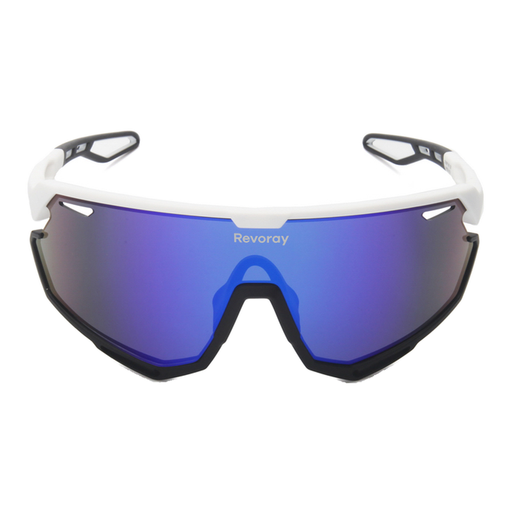
Why we recommend this product: The focus of this model is on aerodynamics and an unrestricted field of view. The single-piece, high-strength PC lens offers a wide panorama and high impact resistance. Weighing only approx. 30g and featuring a streamlined design, these glasses are built for performance.
Pros:
Best for: Performance-oriented riders (road and MTB) seeking extremely lightweight glasses with a maximum field of view and aerodynamic advantages for training and competition.
The selection presented here covers common requirements. For more specific needs or alternative designs, a wider range of models is available. You can find an overview of other products in our Biker Gear category.
1. What is the difference between polarised and photochromic cycling glasses? Polarised lenses have a fixed filter that reduces glare from reflected light. They are ideal for consistently bright conditions. Photochromic lenses, on the other hand, dynamically adjust their tint to the intensity of UV light, becoming darker in the sun and lighter in the shade. They are suitable for variable light conditions.
2. Why is UV400 protection important for sports eyewear? UV400 protection completely blocks harmful UVA and UVB rays. Long-term exposure to UV radiation can lead to eye damage such as cataracts or retinal damage. Eyewear with this protection standard is therefore a fundamental safety measure for all outdoor activities.
3. How do I find the right fit for my cycling glasses? A well-fitting pair of glasses should sit securely without creating pressure points. They must not slip during head movements. Look for models with adjustable nose pads and flexible, rubberised temples. The frame should wrap around the face to effectively protect the eyes from wind and foreign objects without restricting your field of view. Many modern sports glasses are designed as unisex models and adapt to different face shapes thanks to their flexible materials.