
Lieferung heute & morgen

Qualitätsgarantie

Willkommens-Angebote freischalten: KOSTENLOSE Lieferung | Bis zu 80 % RABATT | Kostenlose 30-Tage-JoyPlus-Testphase
App herunterladen
A high-quality pair of cycling glasses is more than just a fashion accessory. It protects your eyes from UV radiation, wind, insects, and airborne debris. However, the market is overwhelming and full of marketing promises that often cost more than they're worth. Before you make a decision, it's crucial to understand the most common pitfalls that can lead to an unsatisfying purchase.
A frequent mistake is assuming that a high price automatically equals high quality. Often, buyers are paying for a brand name, even though the materials and technologies used are similar to those in more affordable models. Another pitfall is choosing the wrong lens technology. Not every advertised feature is practical for every use case, which can result in glasses that are unsuitable for your specific needs. Finally, the weight and fit are often underestimated. A pair of glasses that pinches or slips after an hour significantly reduces riding comfort, regardless of the optical quality of the lenses.
To make an informed decision, you should focus on a few crucial technical parameters. These features are the primary determinants of the performance, comfort, and longevity of your new sports sunglasses.
The frame material is critical for both comfort and durability. An established standard in the sports eyewear industry is TR90. This thermoplastic material is known for several key properties:
When making your selection, look for models that explicitly specify a TR90 frame to ensure you are getting a robust and comfortable foundation.
The lenses are the heart of any pair of glasses. Two features are of central importance here:
A good pair of cycling glasses must sit securely without causing discomfort. Look for adjustable or rubberised nose pads and temple tips. These ensure that the glasses do not slip, even with sweat or rapid movements. An aerodynamic design that fits closely to the face also reduces air turbulence and effectively protects the eyes from wind.
Instead of making a blanket recommendation, we have selected models based on different user profiles and their specific requirements.
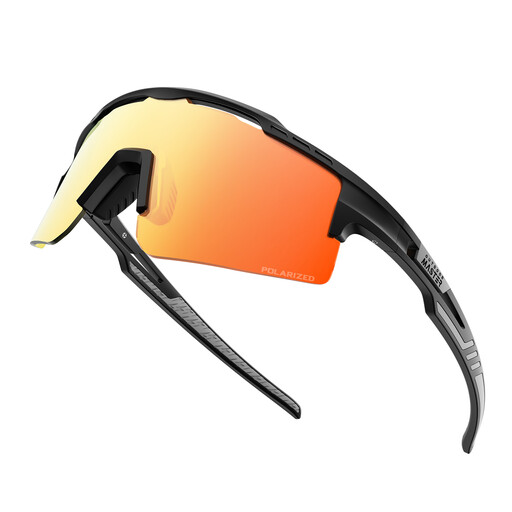
Why This Fits Their Persona: Ideal for athletes who need a reliable pair of glasses for various activities like cycling, running, and driving without a large budget.
This model bypasses the "brand premium" pitfall by offering proven materials like a TR90 frame and polarised TAC lenses with full UV400 protection at an accessible price point.
Polarised lenses reduce glare on the road. The included accessories (hard case, pouch) offer excellent value for money.
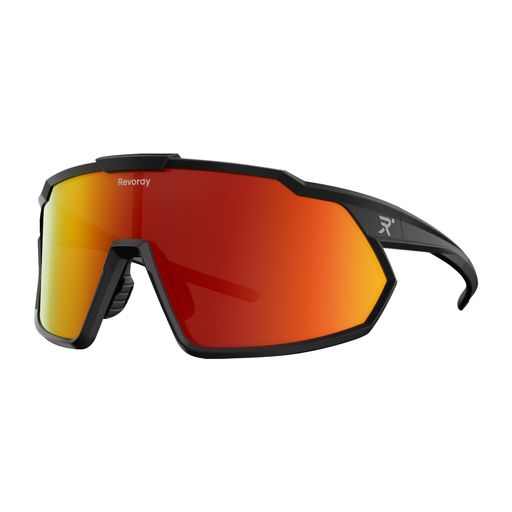
Why This Fits Their Persona: For ambitious cyclists where every gram counts and who value verifiable protection standards and a stable fit at high speeds.
Instead of marketing hype, this model focuses on objectively measurable performance data. The low weight (approx. 33g) and adjustable nose pads directly counter the pitfall of an uncomfortable fit.
Impact resistance is certified to the ANSI Z87.1 standard. Adjustable anti-slip silicone nose pads ensure a secure grip.
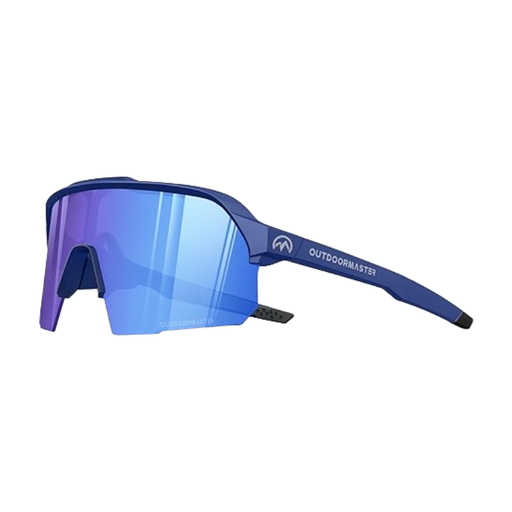
Why This Fits Their Persona: Perfect for users who need a single pair of glasses for changing light conditions, whether for bike rides that end at dusk or for sports on overcast days.
This model solves a practical problem rather than just advertising a single lens tint. It avoids the pitfall of buying glasses that are useless in poor weather, offering true versatility instead.
The included clear interchangeable lens allows for flexible adaptation to different light conditions, significantly expanding the glasses' range of use.
We have compiled a complete, up-to-date list of products that fully meet these strict selection criteria.
To maximise the lifespan of your glasses, rinse the lenses with clean water after use to remove dirt and salt particles. Then, gently dry them with the included microfibre cloth. Avoid using harsh cleaning agents or paper towels, as these can damage the lens coatings. Store the glasses in their hard case when not in use.
Not necessarily. Polarised lenses are excellent for reducing glare from flat, reflective surfaces like wet roads or water. This is ideal for road cyclists, anglers, or drivers. For mountain bikers, however, they can be a disadvantage as they may impair the perception of slick, slippery surfaces like ice or wet roots. Therefore, weigh your primary use case carefully.
The UV400 standard is a crucial quality mark for any pair of sunglasses. It means that the lenses filter out nearly 100% of harmful ultraviolet radiation (UVA and UVB) up to a wavelength of 400 nanometres. Reliable UV protection is essential for the long-term health of your eyes during all outdoor activities.