
Lieferung heute & morgen

Qualitätsgarantie

Willkommens-Angebote freischalten: KOSTENLOSE Lieferung | Bis zu 80 % RABATT | Kostenlose 30-Tage-JoyPlus-Testphase
App herunterladen
As a cyclist, whether on a road bike or a mountain bike, you are constantly exposed to changing conditions: blinding sun, kicked-up dust, insects, or sudden headwinds. A high-quality pair of cycling glasses is therefore not a fashion accessory, but an essential piece of your kit that directly impacts your safety and comfort. This guide is designed to provide you with objective orientation for your selection and introduces a few models that stand out for their specific features.
The market for sports eyewear is vast. To make an informed decision, you should pay attention to a few technical features that are particularly important for cycling.
The lenses are the heart of any pair of sports sunglasses. They must not only protect against UV radiation but also withstand mechanical stress.
Complete protection from ultraviolet radiation is essential to prevent eye damage during long rides.
Glasses that slip or pinch compromise concentration and riding enjoyment.
Based on the criteria mentioned above, we have compiled a selection of models that meet the diverse needs of cyclists.

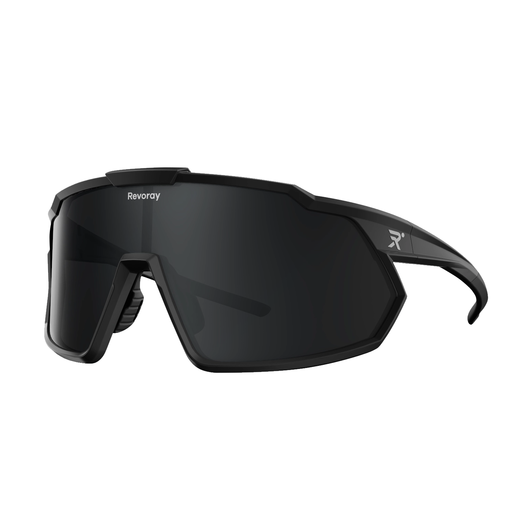
Why it stands out: The Revoray X3-black is designed for aerodynamics and protection at high speeds. The frameless, single-piece lens offers a maximum field of view, and the robust construction ensures reliability.
Advantages:
Who it's for: Ideal for road cyclists and triathletes seeking extremely lightweight sports glasses with a maximum field of view and aerodynamic advantages for training and competition.
Why it stands out: This model combines the benefits of polarised vision with certified impact resistance. The Y1-black is a pair of polarised cycling glasses specifically designed for use in bright light conditions and on reflective surfaces.
Advantages:
Who it's for: An excellent choice for cyclists who frequently ride on the road and prioritise clear, glare-free vision. They are also well-suited for activities on the water or in the snow.
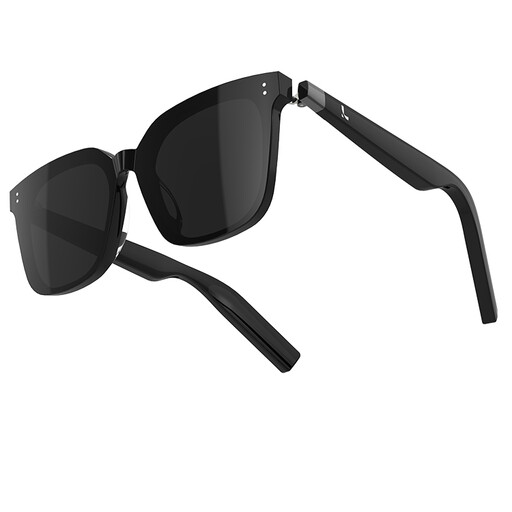
Why it stands out: The LAWAKEN AI Chat City goes beyond the function of pure sports sunglasses by integrating smart technologies. It is aimed at tech-savvy users who want to combine connectivity and functionality in one device.
Advantages:
Who it's for: For commuters, touring cyclists, and outdoor enthusiasts who are looking for glasses for all-day use and value smart additional features like navigation, communication, and translation.
The models presented cover specific use cases. If you are looking for other designs, different tints, or more specialised glasses, you may find the right model in our broader selection.
? Explore our full range of protective sunglasses here
The UV400 label means that the lenses block ultraviolet rays up to a wavelength of 400 nanometres. This includes the entire harmful UVA, UVB, and UVC spectrums and represents the highest available protection standard for sunglasses. For cyclists who are often exposed to the sun for hours, this is an indispensable feature for protecting eye health.
Not necessarily. Polarised cycling glasses are excellent for reducing glare from flat, reflective surfaces like wet roads or car roofs. This increases contrast and visual comfort, which is particularly beneficial for those who wear road bike glasses. For mountain bikers, however, polarisation can have disadvantages as it can alter the perception of slick surfaces like wet rocks or icy patches. In this case, a non-polarised, contrast-enhancing tint may be more advantageous.
To avoid damaging the coatings and material, you should first rinse your glasses under running, lukewarm water after a ride to remove coarse dirt and sweat. Then, you can gently dry the lenses with a soft microfibre cloth. Avoid using harsh cleaning agents, alcohol, or paper towels, as these can scratch the delicate lens surfaces or damage the coatings.