
Lieferung heute & morgen

Qualitätsgarantie

Willkommens-Angebote freischalten: KOSTENLOSE Lieferung | Bis zu 80 % RABATT | Kostenlose 30-Tage-JoyPlus-Testphase
App herunterladen
As a Joybuy Product Recommendation Officer, my role is to provide you with clear and objective information. A high-quality pair of cycling glasses is more than just a fashion accessory; it's an essential piece of gear that significantly impacts your safety and comfort while riding. Whether protecting you from wind, insects, airborne debris, or the blinding sun, the right glasses ensure you have a clear line of sight. This guide is designed to help you understand the technical features and find a model that fits your needs.
The selection of models is vast, but a few core features determine the functionality of sports sunglasses. Instead of being swayed by marketing terms, you should focus on the following objective criteria.
The lenses are the heart of any pair of cycling glasses. The material and its coatings define the level of protection and optical quality.
A good frame ensures that the glasses stay secure and comfortable, even during intense movement.
The requirements for a pair of glasses differ depending on the discipline.
Based on the criteria mentioned, we have compiled a selection of models that cover different needs.

Why It Stands Out: The X3-black model features an aerodynamic design and a large, single-piece PC lens. This construction offers a very wide and clear field of view without disruptive frame edges, while also reducing air resistance—a noticeable advantage at high speeds.
Pros:
Who Is It For? These road cycling glasses are a great choice for cyclists (men and women) who value aerodynamics, low weight, and a maximum field of view. They are also suitable for mountain bikers on tours in less technical terrain.
View Details for the Revoray X3
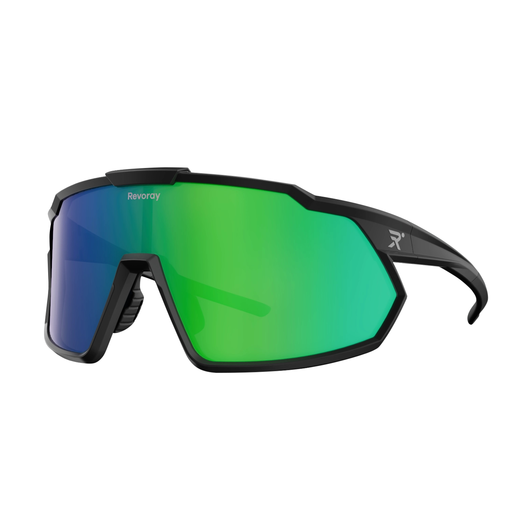
Why It Stands Out: The Y1-green combines a lightweight frame with HD TAC polarized lenses. These effectively filter glare from wet roads or other reflective surfaces, leading to clearer, less fatiguing vision. Certification according to the ANSI Z87.1 standard also confirms tested impact resistance.
Pros:
Who Is It For? Ideal for cyclists who frequently ride in changing light conditions or bright sunlight. The polarized lenses offer a clear advantage on rides along bodies of water or on wet roads.
View Details for the Revoray Y1

Why It Stands Out: These goggles were specifically designed for off-road use and, thanks to their OTG ("Over-The-Glass") construction, also offer a solution for glasses wearers. They completely enclose the face, reliably protecting against dust, mud, and wind during motocross, ATV rides, or demanding downhill mountain bike descents.
Pros:
Who Is It For? A functional choice for motocross, ATV, and downhill MTB riders who need maximum protection. The OTG design is an especially practical feature for those who wear prescription glasses.
View Details for the OutdoorMaster Goggles
For cyclists who need vision correction and prefer not to use an OTG solution or contact lenses, there are special sports glasses that can be fitted with prescription lenses. These models combine the protective features of sports glasses with your individual prescription.
Explore our selection of prescription safety glasses to find suitable options.
1. What does UV400 protection mean for cycling glasses? The term UV400 protection indicates that the lenses filter ultraviolet rays up to a wavelength of 400 nanometres. This includes both UVA and UVB rays, thus providing complete protection for the eyes from the harmful effects of solar radiation.
2. Are polarized lenses a good choice for every cyclist?Polarized lenses are particularly useful for reducing glare from horizontal surfaces like wet roads or water. This can significantly improve vision and comfort. However, in certain situations, such as reading LCD screens (bike computers, smartphones) or identifying icy patches on the road, they can impair perception. The decision depends on personal preference and typical riding conditions.
3. How do I properly clean my sports sunglasses? To clean your glasses, it's best to first rinse them with plain water to remove coarse dirt particles. Afterwards, you can gently dry the lenses with a soft microfibre cloth. Avoid using harsh cleaning agents, alcohol, or paper towels, as these can damage the lens coatings (e.g., anti-fog or mirrored layers).