
Lieferung heute & morgen

Qualitätsgarantie

Willkommens-Angebote freischalten: KOSTENLOSE Lieferung | Bis zu 80 % RABATT | Kostenlose 30-Tage-JoyPlus-Testphase
App herunterladen
High-quality cycling glasses are more than just a fashion accessory. They protect your eyes from UV radiation, wind, insects, and kicked-up debris. But the market is filled with marketing promises that often create more confusion than clarity. As your Joybuy Product Recommendation Officer, I'm here to help you identify the critical features and avoid common purchasing traps, so you can make an informed decision.
Many cyclists invest in glasses that look good on paper but prove unsuitable in practice. This is often due to exaggerated advertising claims and hidden flaws.
To avoid a poor purchase, you should focus on objective and measurable criteria. These three parameters are crucial for performance and safety.
The most important feature of any pair of sports sunglasses is eye protection. UV400 protection is the absolute minimum standard here. This feature ensures that 100% of harmful UVA and UVB rays up to a wavelength of 400 nanometres are blocked.
Polarised cycling glasses offer an additional advantage: they filter out glare caused by reflections on wet roads, bodies of water, or other smooth surfaces. This enhances visual comfort and safety, especially when riding in bright sun. For mountain bikers, however, polarised vision can be a disadvantage in some situations, as it can alter the perception of smooth, potentially slippery surfaces like wet roots or icy patches.
The frame is the foundation for comfort and stability. The material TR90 has established itself as the standard. It is a thermoplastic polyamide that is extremely lightweight, flexible, and durable. Frames made from TR90 adapt well to different face shapes and retain their form even during temperature fluctuations.
For road cycling glasses, a streamlined, close-fitting design is important to minimise wind resistance and ensure a stable fit at high speeds. With mountain bike glasses, on the other hand, the focus is on greater coverage for protection against dirt and branches, as well as a secure grip on rough trails. Adjustable nose pads and rubberised temple tips are crucial to prevent slipping caused by sweat or vibrations.
For tech-savvy cyclists and content creators, there are now models with an integrated recording function. Cycling glasses with a camera allow you to record rides from a first-person perspective without needing to mount a separate action camera. Key performance metrics here include video resolution (e.g., 3K), frame rate (fps), electronic image stabilisation (EIS) for smooth footage, and battery life.
Instead of making a blanket recommendation, we have selected models tailored to specific user profiles.
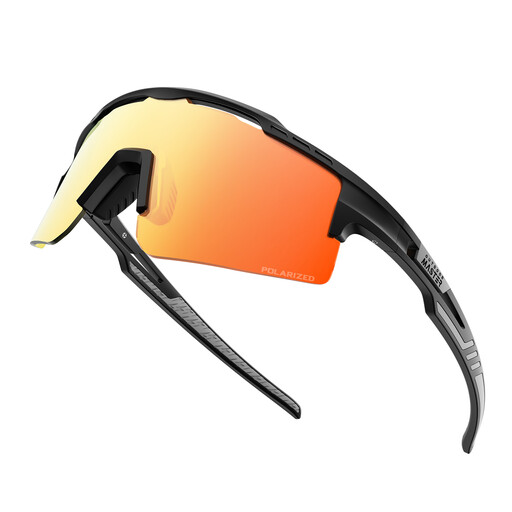
Why This Fits Their Persona: Ideal for athletes seeking a reliable and versatile pair of glasses for cycling, running, or other outdoor activities. The combination of polarised lenses and a robust frame makes them a solid all-rounder.
Instead of vague promises, this model delivers clear specifications: The flexible TR90 memory frame solves the "one-size-fits-all" problem, while the polarised TAC lenses offer a tangible benefit (glare reduction).
Polarised TAC lenses with UV400 protection; lightweight and durable TR90 frame for high wearing comfort.
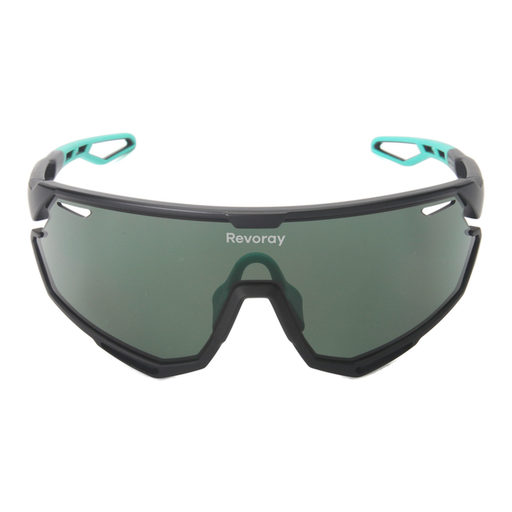
Why This Fits Their Persona: Designed for ambitious cyclists who prioritise low weight, aerodynamics, and a wide field of view. Ideal for road and mountain bike riders who value performance.
This model sidesteps the "HD Vision" trap by focusing on the material: The single-piece PC (polycarbonate) lens is known for its high impact resistance and optical clarity. The weight of approx. 30g is a measurable performance advantage.
Extremely lightweight design (approx. 30g); aerodynamic shape to reduce wind resistance; impact-resistant single-piece PC lens.
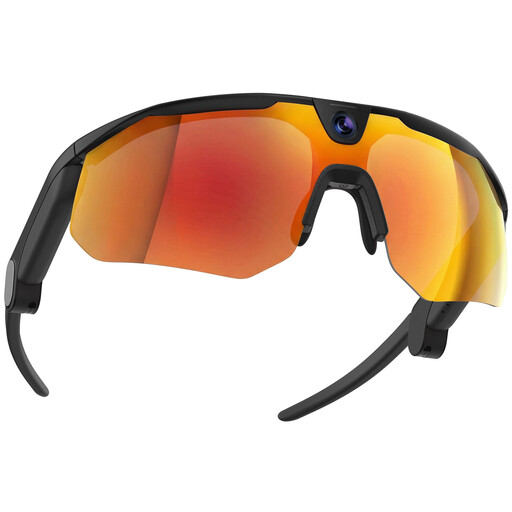
Why This Fits Their Persona: Perfect for cyclists who want to record and share their rides. These glasses combine eye protection with a high-quality camera, open-ear audio, and AI-powered editing features in a single device.
This product's value lies in its clearly defined technology, not in vague optical promises. The specifications are measurable: 3K video at 60 FPS, a 16MP Sony camera, and electronic image stabilisation (EIS).
Integrated 3K camera with image stabilisation; open-ear audio system; AI-powered video editing via an app.
We have compiled a complete, up-to-date list of products that fully meet these strict selection criteria and safety requirements.
1. How do I properly care for my cycling glasses to extend the life of the lenses? Rinse the lenses with clean water after use to remove dirt and sweat. Then, gently dry them with the included microfibre bag or a soft, clean cloth. Avoid harsh cleaning agents or paper towels, as these can scratch the coatings. Store the glasses in their protective case when not in use.
2. Are polarised lenses the right choice for every cyclist? Not necessarily. Polarised lenses are excellent for road cyclists as they reduce glare from the road. For mountain bikers, however, they can make it harder to perceive wet, slippery surfaces like rocks or roots. Consider the environment where you primarily ride to decide if polarisation is right for you.
3. What does UV400 protection mean, and why is it essential for sports sunglasses? UV400 protection means the lenses block all UV rays with a wavelength of up to 400 nanometres. This includes both UVA and UVB rays. This protection is essential, as long-term exposure to UV radiation can lead to serious eye damage. A CE mark on the glasses typically confirms compliance with this standard.