
Lieferung heute & morgen

Qualitätsgarantie

Willkommens-Angebote freischalten: KOSTENLOSE Lieferung | Bis zu 80 % RABATT | Kostenlose 30-Tage-JoyPlus-Testphase
App herunterladen
High-quality cycling glasses are more than just a fashion statement. They protect your eyes from wind, insects, dust, and harmful UV radiation. However, the market is overwhelming and filled with marketing claims that often fail to deliver. Many cyclists invest in models that slip, fog up, or offer inadequate protection after only a short time. This guide will help you identify the key features and avoid common purchasing traps.
Before we dive into the technical details, let's highlight the three most common issues that can lead to a poor purchase.
To avoid the traps mentioned above, you should focus on three core technical features. These define the performance, safety, and comfort of your future men's & women's sports sunglasses.
The frame is the foundation of any pair of glasses. Two aspects are crucial here:
The lenses are the heart of any cycling glasses. Their properties determine how well and safely you can see.
Based on the criteria above, we have compiled a few models for different rider profiles.
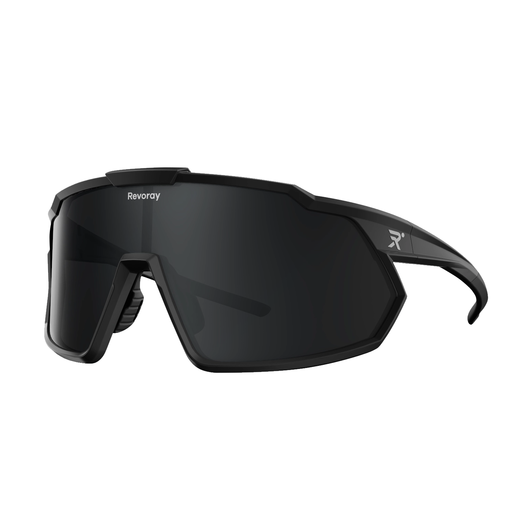
Why This Fits Their Persona: Ideal for cyclists who ride on both roads and light trails. The polarised lenses reduce glare on asphalt, while the durable frame and impact resistance also provide safety on off-road terrain.
The lightweight TR90 frame and adjustable, non-slip silicone nose pads prevent slipping. Impact resistance is certified to the ANSI Z87.1 standard, providing an objective specification instead of vague marketing terms.
HD TAC polarised sunglasses for clear, glare-free vision. At approx. 33g, they are very lightweight cycling glasses for long-lasting comfort.
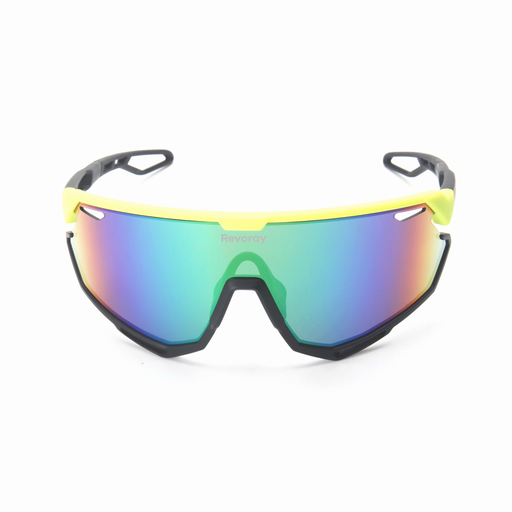
Why This Fits Their Persona: Designed for road cyclists and triathletes who prioritise aerodynamics and minimal weight. The frameless, single-lens design maximises the field of view and reduces air resistance at high speeds.
The combination of an ultra-light TR90 frame (approx. 30g) and non-slip rubber elements on the nose and temples solves the slipping problem. The one-piece PC lens offers proven high toughness and impact resistance.
Aerodynamic, streamlined design for stability at high speed. The large, single-piece lens provides an unobstructed field of view.
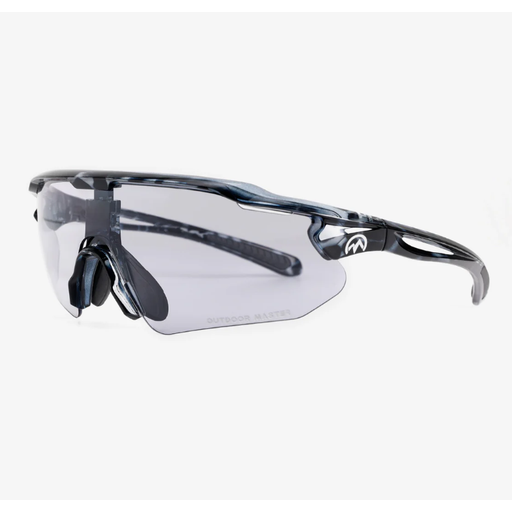
Why This Fits Their Persona: Perfect for riders who are out in all weather and light conditions. The glasses automatically adapt to brightness while also reducing glare, making them a versatile companion for long tours that start in the morning and last until dusk.
This model combines multiple technologies to solve various problems. The photochromic function prevents the need to swap glasses in changing light. Adjustable nose pads and a lightweight TR90 frame guarantee a secure fit.
Combines photochromic sports glasses with polarised PC lenses for maximum adaptability. An inner frame for prescription lenses is included.
We have compiled a complete, up-to-date list of products that fully meet these strict selection criteria and safety requirements.
UV400 protection indicates that the lenses block UV rays up to a wavelength of 400 nanometres. This includes all harmful UVA and UVB rays. It is important that this protection is anchored within the lens material itself (e.g., in polycarbonate) and not just applied as a coating that can wear off over time.
Polarised sunglasses are especially beneficial for road cyclists, as they significantly reduce glare from wet roads or a low sun. For mountain bikers in the forest, however, they can be a disadvantage as they may impair the perception of details in the shade or of slick roots and rocks. Additionally, polarised lenses can make it difficult to read LCD screens (bike computers, smartphones).
Proper care is simple but crucial. Rinse the glasses with clear, lukewarm water after your ride to remove sweat and dust. Then, gently dry them with the included microfibre cloth. Do not use harsh cleaning agents or alcohol, as these can damage the lens coatings. Store the glasses in their case to prevent scratches.