
Lieferung heute & morgen

Qualitätsgarantie

Willkommens-Angebote freischalten: KOSTENLOSE Lieferung | Bis zu 80 % RABATT | Kostenlose 30-Tage-JoyPlus-Testphase
App herunterladen
Choosing the right pair of cycling glasses can be a challenge given the vast array of models, technologies, and marketing promises. The wrong decision not only leads to discomfort but can also compromise your safety and performance. Many athletes invest in glasses that are either overpriced or fail to meet basic functional requirements. This guide focuses on the objective criteria that truly matter, helping you sidestep common purchasing traps.
A frequent pitfall is assuming that a high price or a famous brand name automatically guarantees superior quality. Often, expensive and more affordable models are based on the same core technologies and materials. Another source of error is focusing on the tint colour of the lenses without understanding their actual function. A dark tint alone does not provide adequate protection; the filter technologies within the lens are what's crucial. Finally, the durability and fit of the frame are often underestimated, which can lead to pressure points, slipping during vibrations, or even material failure.
To make an informed decision, you should focus on three core technical parameters. These are the primary determinants of the protection, comfort, and visual clarity of your future cycling glasses.
UV400 protection, which blocks 100% of UVA and UVB rays, is now a basic standard and no longer a special quality feature. The true performance of a lens is demonstrated in other areas:
The frame is crucial for comfort and durability, especially for road bike glasses or MTB glasses that are worn for hours and must withstand vibrations.
VLT (Visible Light Transmission) indicates, as a percentage, how much light passes through the lens to the eye. The choice depends on the intended use:
Based on the objective criteria mentioned above, we have identified a few models that are well-suited for specific types of riders and their needs.
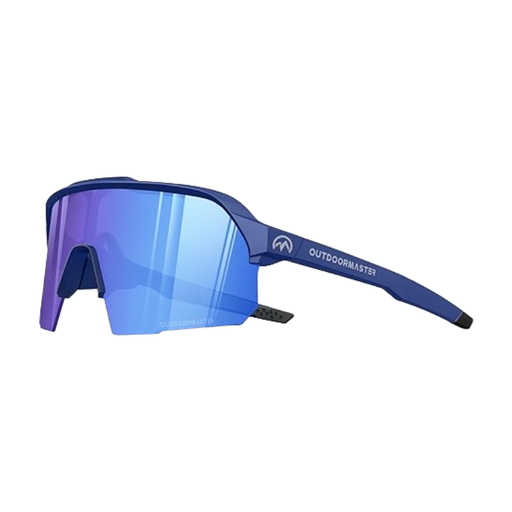
Why This Fits Their Persona: Ideal for athletes who need versatile glasses for road cycling, running, and other outdoor activities. The combination of polarized HD lenses and a 17% VLT performs reliably in most light conditions in the UK and Europe.
This model avoids the trap of specializing in a single weather condition. The grey lens with a Revo blue mirror finish and polarization offers balanced performance in both sun and light cloud cover.
Distortion-free HD vision reduces visual fatigue. Includes clear interchangeable lenses for rides in low-light conditions.
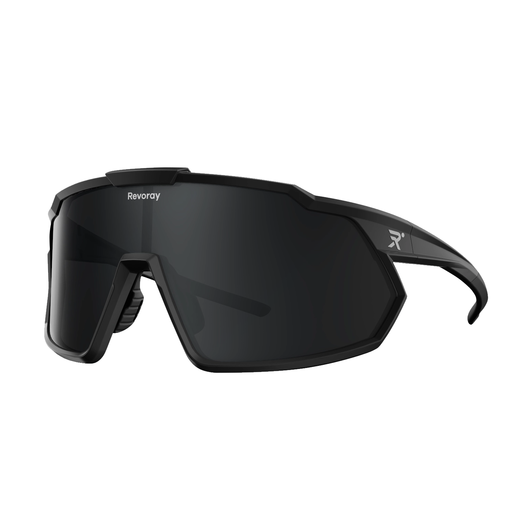
Why This Fits Their Persona: For mountain bikers who need robust, lightweight, and secure-fitting glasses. The focus is on impact resistance and a non-slip fit during heavy vibrations on the trail.
Instead of focusing on fashion trends, this model prioritizes verifiable safety. Certification to the ANSI Z87.1 impact resistance standard is objective proof of the robustness required for off-road terrain.
Extremely lightweight (approx. 33g) with adjustable, non-slip silicone nose pads for maximum grip. The hydrophobic and oleophobic coating is practical for dealing with mud and rain.
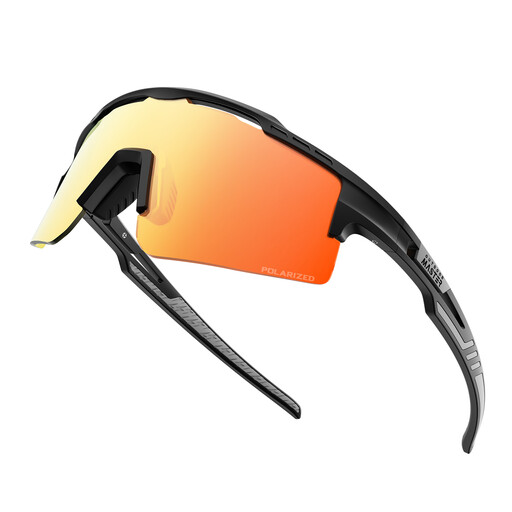
Why This Fits Their Persona: Perfect for recreational cyclists looking for reliable entry-level gear without a large budget. It offers all the essential core features for safe and comfortable rides.
This model proves you don't have to spend a fortune for a lightweight TR90 frame and polarized lenses. It avoids the trap of paying for a brand name instead of the actual material and lens quality.
Comprehensive accessory package including a hard case, microfiber pouch, and polarization test card. The orange lens enhances contrast, which is especially helpful for beginners.
We've compiled a complete, up-to-date list of products that fully meet these strict selection criteria and applicable safety requirements.
After use, rinse the lenses with lukewarm water to remove sweat and dust. Then, gently dry them with the included microfiber pouch or cloth. Do not use harsh cleaning agents, paper towels, or rough fabrics, as these can scratch the coatings. Always store the glasses in their hard case when not in use.
For most cyclists, especially on the road, polarized lenses are a significant advantage. They reduce glare from wet surfaces, cars, and other reflective objects, which improves vision and reduces eye strain. For some mountain bikers, however, polarization can slightly alter the perception of slick, wet rocks or icy patches. For the vast majority of use cases, though, the benefits far outweigh this.
TR90 is a high-quality thermoplastic material known for its extreme flexibility, durability, and low weight. Unlike conventional plastic, a lightweight TR90 frame is more resistant to deformation and breakage. It comfortably adapts to the shape of your head without creating pressure points and maintains its shape even with temperature fluctuations. This makes it the ideal material for high-performance sports sunglasses.