
Lieferung heute & morgen

Qualitätsgarantie

Willkommens-Angebote freischalten: KOSTENLOSE Lieferung | Bis zu 80 % RABATT | Kostenlose 30-Tage-JoyPlus-Testphase
App herunterladen
A good pair of cycling glasses is more than just a fashion statement. It protects your eyes from UV radiation, wind, insects, and airborne debris. However, the market is overwhelming and full of technical terms that often create more confusion than clarity. Before you make a decision, it's important to know the most common pitfalls that can lead to an unsatisfactory purchase.
To make an informed decision, you should focus on a few crucial technical parameters. These features determine the performance, comfort, and durability of your new sports sunglasses.
The lenses are the heart of any pair of cycling glasses. Their properties should match your primary use case.
A lightweight yet robust frame that sits securely is essential for wearing comfort.
For specific needs, there are models with advanced features.
Based on the criteria above, we have identified several models suitable for different user profiles.
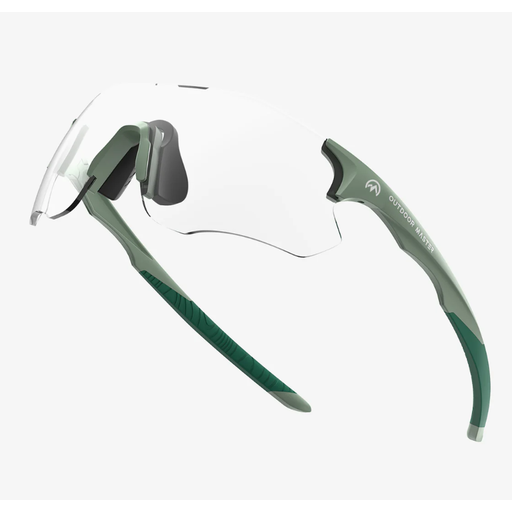
Why this model fits: Ideal for cyclists whose rides take them through changing light conditions. The photochromic lenses adjust automatically, whether you're riding out of a shady forest into bright sun or continuing into dusk.
This model sidesteps the "HD Optics" trap by offering a verifiable function: automatic tint adjustment (Cat. 0 to Cat. 3). The lightweight TR90 frame with anti-slip gel also prevents the glasses from slipping.
Automatic adjustment to light conditions for versatile use; lightweight and secure fit thanks to the TR90 frame.
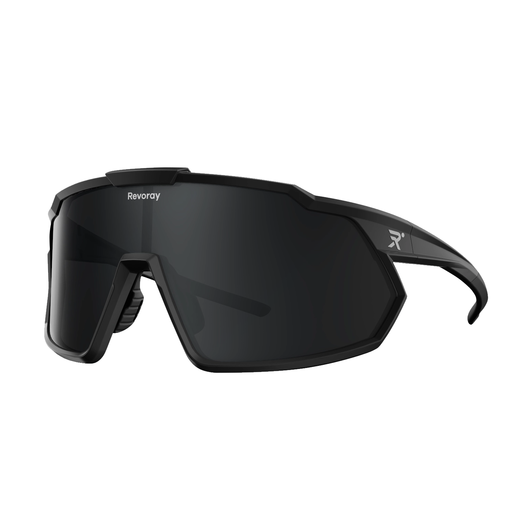
Why this model fits: For ambitious road cyclists and mountain bikers who need maximum visual clarity and glare protection on long, intense rides. The low weight of approx. 33g ensures comfort for hours.
The polarised TAC lenses effectively reduce glare instead of just advertising a vague "HD" promise. The adjustable silicone nose pads and lightweight TR90 frame specifically counteract the problem of a slipping frame.
Effective glare reduction through polarisation; impact resistance compliant with the ANSI Z87.1 standard.
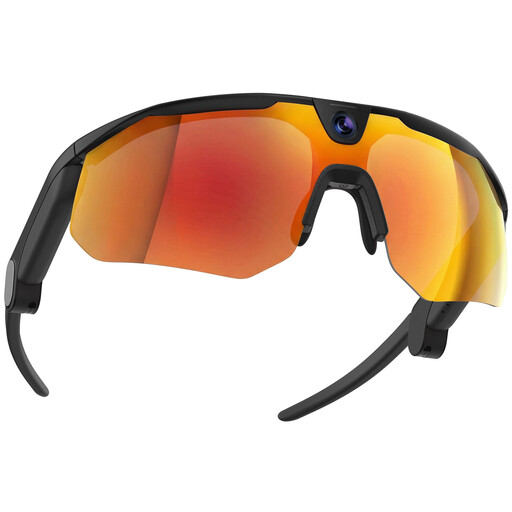
Why this model fits: For the cyclist who wants to capture and share their experiences. These glasses combine eye protection with an integrated camera, open-ear audio, and AI-powered editing features for a seamless ride recording experience.
This highly specialised product avoids the trap of exaggerated marketing claims by delivering a concrete, high-value feature: an integrated 3K camera. It's not a gimmick, but a functional tool for content creators.
Integrated 3K60FPS camera with Electronic Image Stabilisation (EIS); open-ear audio for music and calls.
We have compiled a complete, up-to-date list of products that fully meet these strict selection criteria and all applicable safety regulations.
To maximise the lifespan of the lenses and their coatings (e.g., anti-fog or mirrored), you should rinse the glasses under lukewarm, running water after each ride to remove sweat and dirt. Then, gently dry them with the included microfibre bag or cloth. Avoid harsh cleaning agents, alcohol, or paper towels, as these can scratch or damage the surfaces.
The UV400 label means that the lenses are designed to block all light rays with a wavelength of up to 400 nanometres. This includes the entire spectrum of the sun's harmful UVA and UVB rays. It is the most important standard for eye protection during outdoor activities.
Yes, most high-quality cycling glasses are also excellent for other sports like running, hiking, or cross-country skiing. Models with lightweight TR90 frames, shatterproof polycarbonate lenses, and a secure fit are versatile sports sunglasses that provide protection and comfort across various disciplines.