
Lieferung heute & morgen

Qualitätsgarantie

Willkommens-Angebote freischalten: KOSTENLOSE Lieferung | Bis zu 80 % RABATT | Kostenlose 30-Tage-JoyPlus-Testphase
App herunterladen
Cycling glasses need to do more than provide a tinted lens. Whether you are road cycling, mountain biking or heading out on longer outdoor rides, a secure fit, adequate UV protection and visibility suited to the lighting conditions are all essential. Many models look similar at first glance, but can differ considerably in lens technology, ventilation and adjustability.
Three common buying misconceptions frequently lead to disappointing purchases:
Lens colour alone is not a reliable guide. Light transmission, tint and special filter functions are what really matter.
Important: Photochromic lenses may darken less behind car windows or other UV-filtering surfaces. This is expressly mentioned in some product specifications.
For sports sunglasses designed for cycling, UV400 protection should be clearly stated in the technical specifications. Several of the models mentioned here use polycarbonate or TAC lenses. These materials are described in the product information as impact-resistant or shatter-resistant.
This does not make them safety glasses for industrial work. Even cycling glasses described as impact-resistant are not unbreakable. Damaged or heavily scratched lenses should be replaced, as they can impair your vision.
If you are looking for MTB glasses for gravel, woodland trails or fast descents, you should also look for:
Lightweight cycling sunglasses reduce pressure on your nose and ears. Some of the models listed weigh between approximately 25.5 and 33 grams. However, weight alone does not determine comfort. Adjustable nose pads, flexible TR90 frames and non-slip materials are equally important for a secure fit.
Windproof sports glasses can provide greater protection from wind coming from the sides. At the same time, they need effective ventilation to reduce the build-up of moisture on the inside during climbs or in cool weather. The OutdoorMaster LARK SV is specified as having a ventilated lens design and adjustable nose pads.
Before buying, compare the dimensions with a pair of glasses that already fits you well. The following measurements are particularly important:
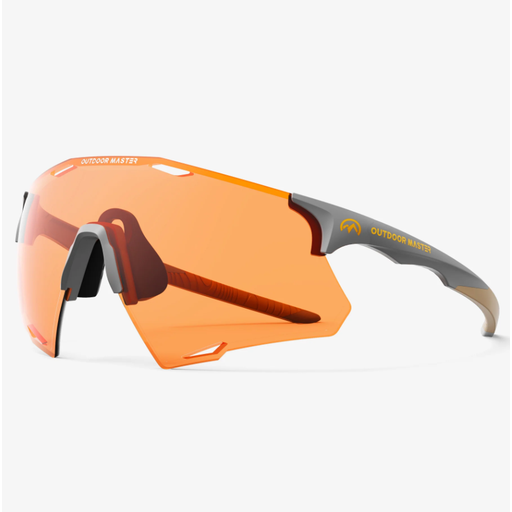
Why this product suits this use case: Combining polarised polycarbonate lenses with a lightweight TR90 frame, this model is ideal for regular everyday rides and sunny cycling trips. Its stated weight is 25.5 g.
Adjustable nose pads help you achieve a better fit. According to the product description, the ventilated lens is designed to reduce the likelihood of fogging.
TR90 frame, polarised lenses, stated UV400 protection, wider peripheral vision and an additional inner frame for prescription-lens options.
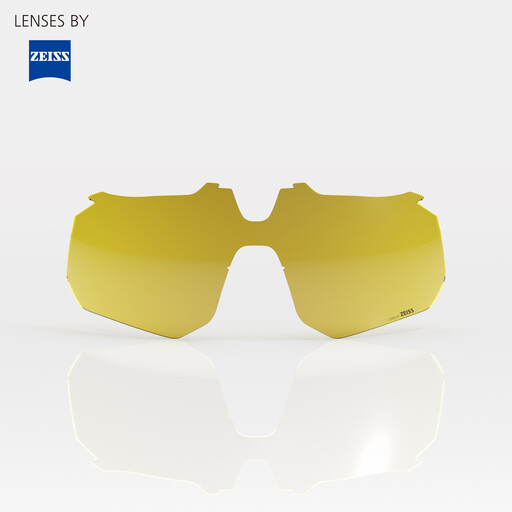
Why this product suits this use case: For long rides and versatile outdoor use, the product specifications highlight ZEISS lenses, light transmission of 18 to 43 per cent and several coatings.
The stated light transmission makes the choice more transparent than a colour description alone. Water-repellent and oleophobic coatings make the glasses easier to care for.
Stated UV400 protection, scratch-resistant layer and water- and oil-repellent surface treatment, according to the product description.
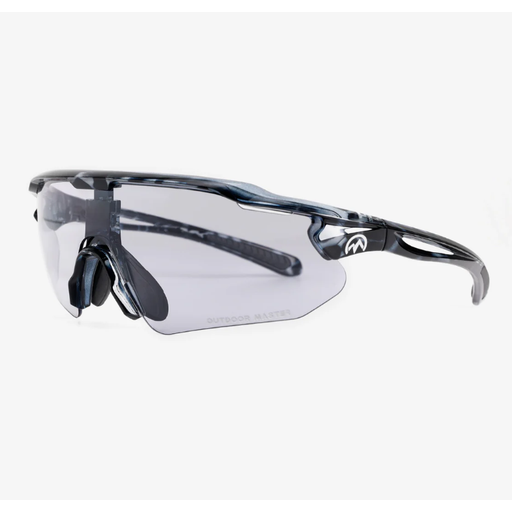
Why this product suits this use case: Designed for riders moving between town, country roads and woodland, this model combines photochromic and polarised properties. Its stated weight is between 26 and 29 g, depending on the variant.
The variable tint is designed to cope with changing brightness. Adjustable nose pads and flexible arms support a customisable fit.
Photochromic and polarised PC lenses, stated UV400 protection, TR90 frame and an extended field of vision, according to the product description.
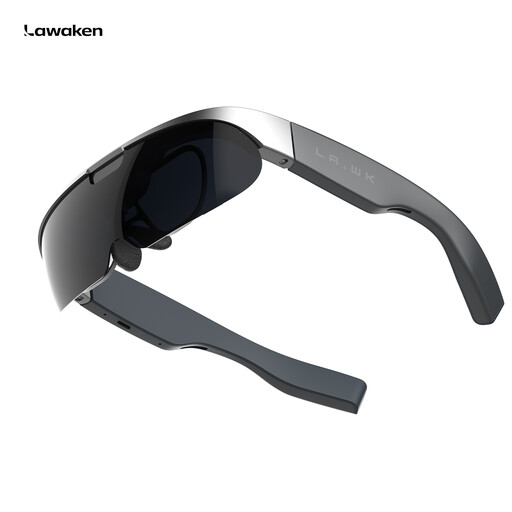
Why this product suits this use case: These smart cycling glasses are designed for users who want to combine navigation, recording, phone calls and open-ear audio playback in one wearable device.
The technical limitations are clearly stated: UV380 rather than UV400, approximately 80 g without lenses, IPX4 and up to eight hours of use.
8-megapixel camera, 4K recording, AR display, Bluetooth 5.3, open-ear speakers and compatibility with prescription lenses, according to the product specifications.
We have put together a complete, regularly updated list of products that fully meet these strict selection criteria and the safety regulations applicable in the EU.
Even well-made cycling glasses will only stay clear for a long time if they are treated appropriately:
For changing brightness, photochromic cycling glasses can be a sensible choice. They adjust their tint according to UV exposure. If you mainly ride in strong sunlight, you may prefer polarised lenses with a fixed tint instead. For night rides or very dark conditions, check whether the specific lens is suitable.
Their lifespan depends on scratches, falls, sweat, UV exposure and care. A flexible TR90 frame can withstand everyday use, but is not indestructible. Lenses should be replaced if they have obvious scratches or damage. For models covered by a warranty, the relevant manufacturer's terms apply.
The price depends on factors including lens material, coatings, polarisation, photochromic functionality, interchangeable lenses and electronics. When choosing, do not focus solely on the tint or brand name. Above all, consider UV protection, lens type, weight, dimensions, fit and care requirements. This makes it easier to match your choice to your route, how often you ride and your budget.