
Lieferung heute & morgen

Qualitätsgarantie

Willkommens-Angebote freischalten: KOSTENLOSE Lieferung | Bis zu 80 % RABATT | Kostenlose 30-Tage-JoyPlus-Testphase
App herunterladen
Cycling glasses need to do more than put a tinted lens in front of your eyes. On long rides, a secure fit, adequate UV protection, clear vision and a design that can cope with sweat, wind and changing light all matter. At the same time, many models are promoted with terms such as ‘HD’, ‘sporty’ or ‘impact-resistant’, without clearly explaining the technical details that really count.
The most common buying mistakes come down to three pitfalls:
According to the product details, UV400 cycling glasses are designed to block ultraviolet radiation up to 400 nanometres. This should be stated clearly in the product specifications rather than inferred from a particularly dark lens tint.
Visible light transmission, often referred to as VLT, also matters. A low value means a darker tint, which is useful in bright sunshine. For rides with changing conditions, lighter or photochromic lenses are more practical. Photochromic cycling glasses adjust their tint according to the level of UV exposure. Bear in mind that windscreens can block some UV radiation, so the tint may not change as much inside a car or behind certain types of glass.
Polycarbonate lenses are common in sports glasses because they combine low weight with high impact resistance. TAC lenses are often used in polarised cycling glasses. Polarised lenses reduce reflected light, for example from wet roads, water or bright metal surfaces. However, they are not automatically suitable for every light condition.
A specification such as ANSI Z87.1 should only be used if it is stated for the specific product. The Revoray Y1 lists this performance standard in its product description. It relates to impact resistance and does not mean that the glasses are suitable for industrial hazards in general. Sports glasses with impact-resistant lenses are also no substitute for specialist protective eyewear when working in areas with a high risk of flying debris.
For road cycling, mountain biking and long rides outdoors, adjustable nose pads, non-slip arms and adequate side coverage are all useful features. Mountain biking glasses should stay securely in place on uneven trails. For road cycling glasses, a larger, curved lens can improve wind protection, provided it doesn’t touch your cheeks or helmet.
TR90 is a thermoplastic frame material used in several of the models in our selection. Weight alone, however, doesn’t determine comfort. Also check:
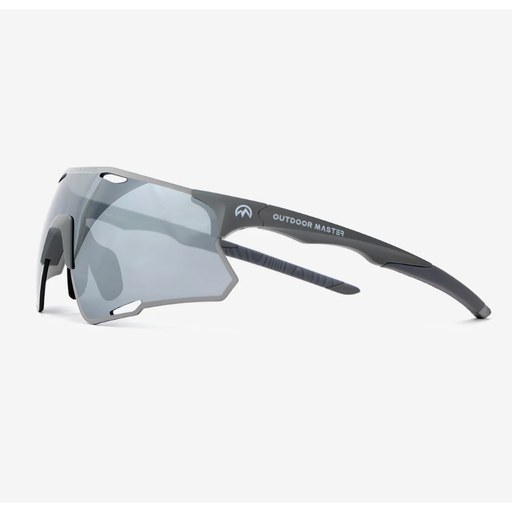
Why it suits this rider: According to the product details, these cycling glasses combine a TR90 frame with a weight of around 25.5 g, a UV400 rating and polarised polycarbonate lenses. Adjustable nose pads make it easier to find a comfortable fit for different face shapes.
The protection and weight specifications are clearly stated. Lens ventilation also helps address the common problem of fogging at speed.
25.5 g weight, polarised lenses, UV400 rating, adjustable nose pads and a glasses strap included.
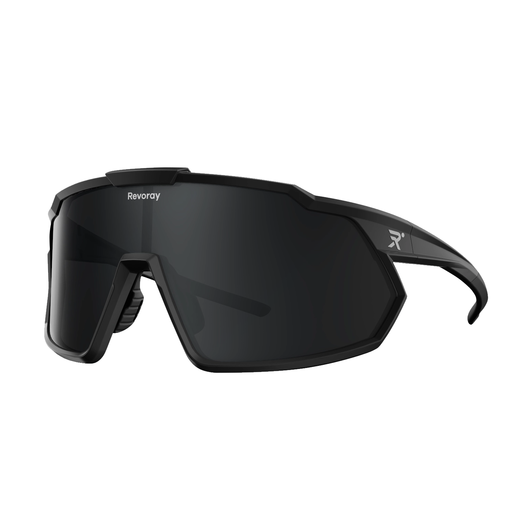
Why it suits this rider: According to the product description, these cycling sports sunglasses combine TAC polarised lenses, a weight of around 33 g, a TR90 frame and a stated VLT of approximately 15.2%. The coatings are described as water-, oil- and scratch-resistant.
The VLT figure makes the relatively dark tint clear. It’s easy to assess for very bright conditions; for forest sections, consider whether you’ll need an alternative.
ANSI Z87.1 performance standard according to the product details, UV400, adjustable silicone pads and several surface coatings.
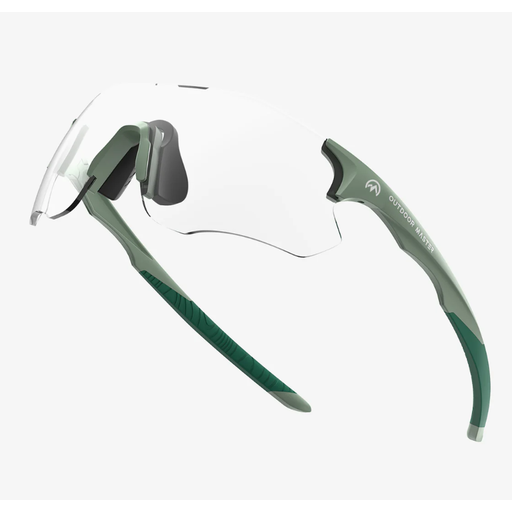
Why it suits this rider: According to the product details, these photochromic cycling glasses are designed to adjust from category 0 to category 3. The TR90 memory frame and non-slip features make them a good fit for rides in changing light.
The stated tint range is more informative than a general claim such as ‘suitable for all weather’. Adjustment may be limited when riding behind a windscreen.
Photochromic lenses from category 0 to 3, UV400 rating, TR90 frame and a case included.
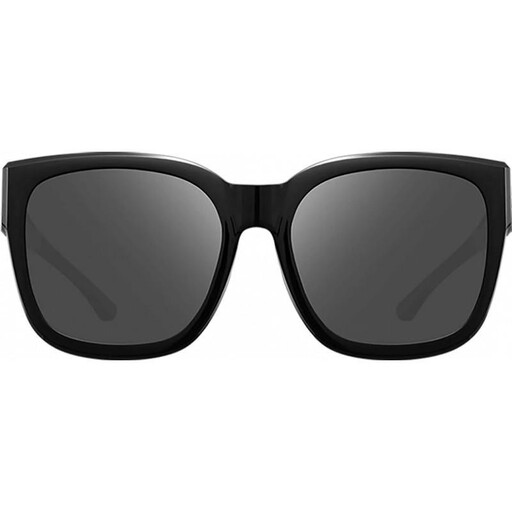
Why it suits this rider: According to the product description, this fitover style is designed to be worn over prescription glasses. The polarised lenses and lightweight plastic frame are aimed at people who would rather not buy a separate sports frame.
Compatibility with your existing glasses is the main thing to consider. Before buying, check the width, space for the arms and fit alongside your cycling helmet.
Fitover design, polarised lenses and made for outdoor activities.
Scratches often happen not while you’re riding, but because of incorrect cleaning. First rinse away dust with clean water, then use a soft microfibre cloth. Kitchen roll, rough fabrics and harsh cleaning products can damage lens coatings.
Store your glasses in a hard case and don’t place them lens-side down. Replace them if the lenses are deeply scratched, the frame is damaged or the arms are loose. Cycling glasses with interchangeable lenses can make it easier to adapt to sunshine and cloud, but take care around the lens edges when changing them.
We’ve put together a complete, regularly updated list of products that meet these strict selection criteria and fully comply with the safety regulations in force in the EU.
Photochromic cycling glasses are worth considering if you often ride in changing light. Alternatively, glasses with interchangeable lenses let you adjust them manually. Check which tint options are actually included.
Polarised lenses can reduce reflections from wet roads, water and bright surfaces. For very dark forest trails and rides at dusk, consider the visible light transmission. Polarisation also doesn’t replace checking the UV protection.
Many sports models weigh around 25–35 g. But weight is only one part of comfort. Nose pads, the shape of the arms, ventilation and how the glasses work with your helmet all affect how comfortable they feel on long rides.