
Lieferung heute & morgen

Qualitätsgarantie

Willkommens-Angebote freischalten: KOSTENLOSE Lieferung | Bis zu 80 % RABATT | Kostenlose 30-Tage-JoyPlus-Testphase
App herunterladen
Cycling glasses protect your eyes from wind, dust, insects and strong sunlight. They can also improve visibility when conditions change. The choice ranges from polarised cycling glasses for sunny roads to photochromic cycling glasses for changing light, as well as lightweight MTB glasses designed to stay firmly in place.
However, many poor buying decisions come down to overlooked details rather than design. If you choose based only on lens colour or a low price, you may not discover until you’re out riding that your glasses steam up, slip or are too dark at dusk.
UV400 protection means protection from ultraviolet radiation up to a wavelength of 400 nanometres. On its own, however, it doesn’t tell you how well cycling sunglasses deal with glare, contrast or changing light conditions. A dark tint without stated UV protection is not a reliable way to choose a pair either.
So look for a clear statement of the UV protection and check the light transmission as well. A lens with around 15 to 20 per cent visible light transmission is best suited to bright conditions, but may seem too dark under cloudy skies or in the woods.
Polarised cycling glasses can reduce reflections from wet roads, bodies of water and metal surfaces. That’s useful on sunny roads and near the water. However, they can make displays and certain dashboards harder to read, and may be less suitable in very changeable light.
For long rides with frequent changes in light, photochromic cycling glasses are often a more practical choice. They adjust their tint according to UV exposure. The speed of the adjustment and how light the lenses get vary by model. The “Cat. 0 to Cat. 3” rating indicates the intended tint range.
Lightweight cycling glasses weighing 25 to 33 grams can be comfortable on longer rides. But adjustable nose pads, non-slip arms and the right frame width are just as important. If your glasses are too loose, they’ll move on cobbles or off-road. If they’re too tight, they can put pressure on your temples.
For regular cycling, your glasses should offer stated UV400 protection. Polycarbonate and TAC lenses are commonly used in sports glasses. Polycarbonate is lightweight and is described as impact-resistant in many models. TAC lenses are mainly used in polarised cycling glasses.
Claims about impact resistance should ideally be backed up by a specific standard or test information. According to the product details, the Revoray Y1 has been tested to ANSI Z87.1. This doesn’t mean it’s unbreakable. Whatever the material, damaged lenses should be replaced.
A TR90 frame is made from a thermoplastic that can be lightweight and flexible. An aerodynamic profile matters to road cyclists, while MTB glasses also need to stay secure on uneven trails.
Always check that the stated weight is for the complete pair of glasses. The products in this selection, for example, weigh around 25.5 grams, 26 to 29 grams, 30 grams or 33 grams. These figures are useful for comparison, but they don’t replace checking the frame width and nose fit.
Windproof cycling glasses should reduce airflow from the sides and beneath the lenses, but still allow some air to circulate. Ventilation openings can help limit fogging on climbs or in cold weather. A water- and oil-repellent coating makes cleaning easier, but doesn’t make lenses scratchproof.
If you often move between sunshine, woodland and dusk, you could choose cycling glasses with interchangeable lenses. A clear spare lens, for example, is suitable for overcast conditions. When changing lenses, handle them by the edges and store them in the case.
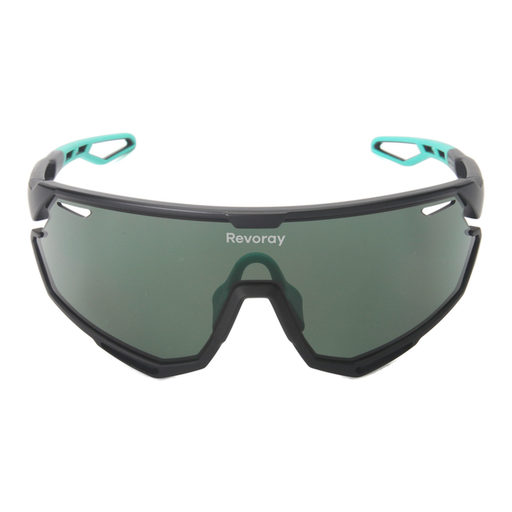
Why this product suits this riding profile: This model combines a one-piece PC lens with a TR90 frame and weighs around 30 g. It’s a good choice for everyday rides, commutes and your first road or mountain bike outings.
UV400 protection, PC lenses and non-slip features are clearly specified, offering more detail than a simple description of the design.
One-piece PC lens, around 30 g, aerodynamic shape and rubber nose pad.
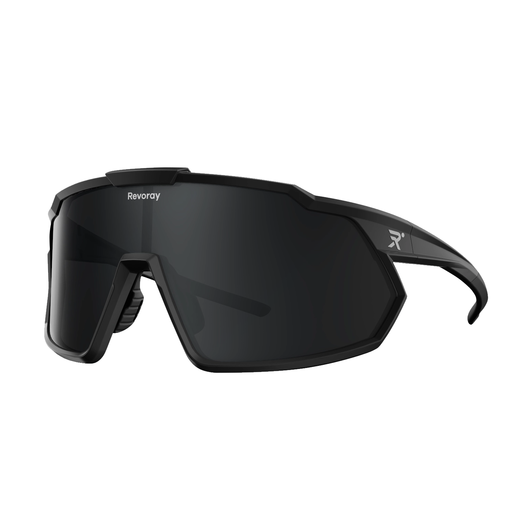
Why this product suits this riding profile: The polarised TAC lens is designed for bright routes with reflective surfaces. According to the product details, visible light transmission is around 15.2 per cent.
The light transmission is clearly stated, making it easier to see that these glasses are intended primarily for bright conditions.
33 g, UV400 protection, adjustable silicone nose pads, and a water- and oil-repellent coating.
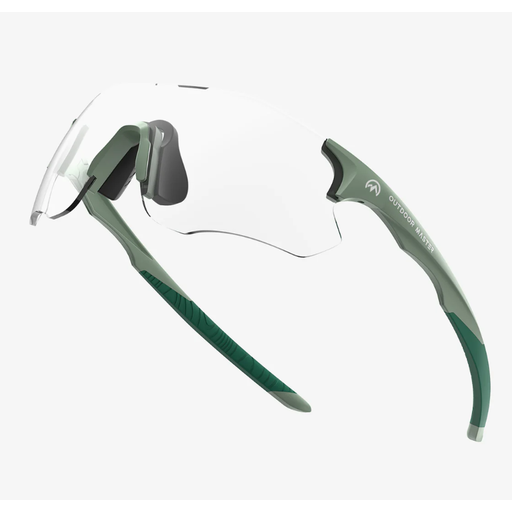
Why this product suits this riding profile: According to the product details, the photochromic lens adjusts from Category 0 to Category 3. This makes it an interesting option for rides in changing light.
The tint ranges are stated, so buyers can check more easily whether this model suits woodland sections, overcast skies and sunny stretches.
Photochromic HD lens, stated UV400 protection, impact-resistant design and TR90 frame with non-slip gel.
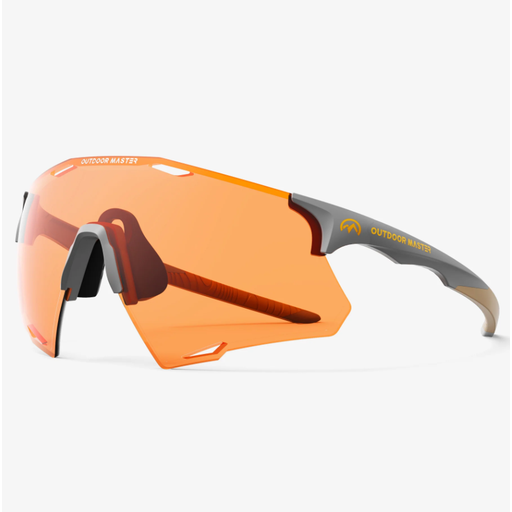
Why this product suits this riding profile: This model is for anyone looking to combine polarised sports glasses with cycling and outdoor activities. The ventilation is designed for riding at higher speeds.
The product details include the weight, adjustable nose pads and a ventilated lens design, making it easy to check these important comfort features.
25.5 g, polarised polycarbonate lenses, stated UV400 protection and ventilated construction.
We’ve put together a complete, regularly updated list of products that meet these strict selection criteria and the safety regulations in force in the EU.
First, rinse off dust and grit with clean water before cleaning the lenses with a soft microfibre cloth. Dry particles can scratch the coating. Avoid alcohol and harsh cleaning products unless the manufacturer specifically approves them.
Keep your glasses in a case and don’t place them lens-side down. Their lifespan depends on how they’re used, cleaned and stored. Scratches, cracks or arms that have become permanently loose are signs that it’s time for a replacement. A warranty, such as the limited one-year warranty listed for some Revoray models, doesn’t replace checking for wear and tear.
For changing light conditions, consider photochromic or interchangeable lenses. Photochromic models adjust their tint automatically. Glasses with interchangeable lenses, on the other hand, let you choose manually – for example, between a dark and a clear lens.
Look for ventilation openings, enough space between the lens and your face, and a good fit. Clean the lenses regularly and avoid wearing the glasses under a hat or hood that fits too tightly. They may still steam up briefly on cold climbs.
Compare the price against the UV protection, lens material, weight, fit system and what’s included. A more expensive pair isn’t automatically better for every use. What matters is whether the technical details suit your route, ride duration and light conditions.