
Lieferung heute & morgen

Qualitätsgarantie

Willkommens-Angebote freischalten: KOSTENLOSE Lieferung | Bis zu 80 % RABATT | Kostenlose 30-Tage-JoyPlus-Testphase
App herunterladen
Cycling glasses need to do more than ordinary sunglasses. When you’re out on your bike, changing light, wind, dust and insects can all affect your eyes. On mountain bike rides, you may also encounter branches and flying grit. At the same time, your glasses shouldn’t pinch or slip when you sweat.
Many people, though, make the wrong choice because of technical details rather than design. Here are three common pitfalls to watch out for:
For spending longer periods outdoors, choose cycling sunglasses with clearly stated UV400 protection. This is a technical specification for the UV spectrum, not a claim of medical benefit.
Sports glasses are often made with polycarbonate (PC) lenses or TAC lenses. Polycarbonate is used because it is relatively impact-resistant. Still, read product descriptions realistically: impact-resistant doesn’t mean unbreakable, and these glasses aren’t a substitute for safety goggles when carrying out tasks such as grinding or working with metal.
Impact-resistant sports glasses with a large, wraparound lens can give you a wider field of vision. This can be useful for road cyclists at higher speeds, while mountain bikers should also look for good side coverage and a secure fit.
Photochromic cycling glasses adjust their tint according to UV exposure. For example, the OutdoorMaster HawkSharp is listed as covering Category 0 to Category 3. This can be useful on rides that take you between open roads, woodland and shade. Bear in mind that the tint may change only slightly inside vehicles, as windscreens can filter UV rays.
Polarised cycling glasses reduce reflected light, such as glare from wet roads, water or bright road surfaces. This can make contrasts more comfortable to see. However, polarised lenses aren’t automatically ideal for every situation: screens and certain surfaces may look darker from some angles.
If you’re looking for maximum flexibility, consider a model that combines photochromic and polarised technology. For frequent rides in consistently bright sunshine, fixed-tint polarised lenses are often enough.
Sports glasses shouldn’t slip down your nose when you’re moving, and should sit as evenly as possible against your temples. TR90 is a lightweight, flexible frame material with memory properties. The models featured here weigh approximately 25.5 to 30 grams.
Useful features include:
Windproof cycling sunglasses should keep as much wind out as possible, but still allow some ventilation. A ventilated design can be especially useful on slow climbs, in high humidity or when temperatures change sharply.
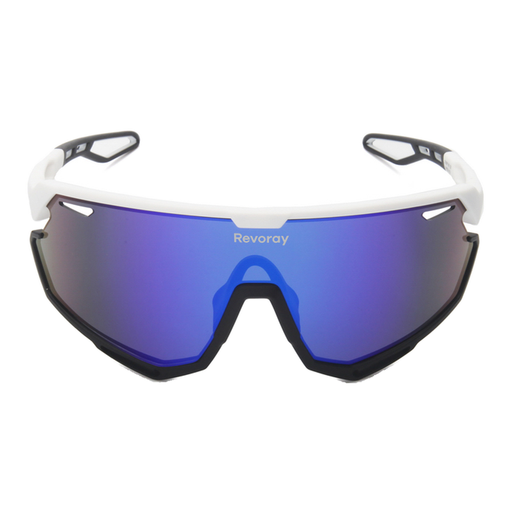
Why this product suits this type of rider: Designed for leisure rides, road cycling and mountain biking, this model doesn’t need assembling. The stated fit is suitable for medium to large faces.
The specifications explicitly list UV400, a one-piece PC lens and non-slip nose and arm sections, rather than simply describing a fashionable tint.
TR90 frame, weight of around 30 g, aerodynamic shape and PC lens described as impact-resistant.
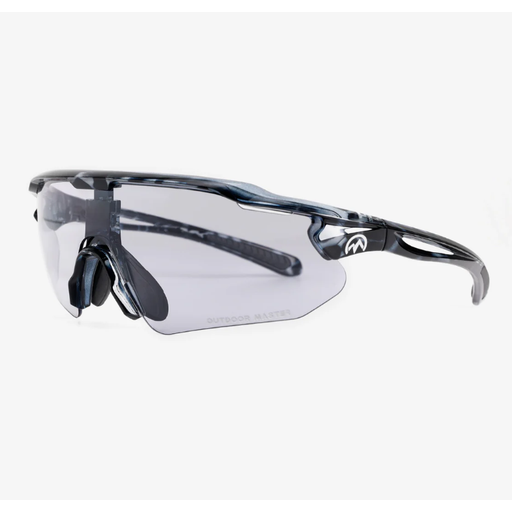
Why this product suits this type of rider: Combining photochromic and polarised technology, this model is designed for riders who encounter different light conditions on longer tours.
You don’t have to settle for lenses that stay dark all the time: according to the product specifications, the tint adjusts to UV exposure.
TR90 frame, PC lenses, adjustable nose pads, UV400 and a stated weight of 26 to 29 g.
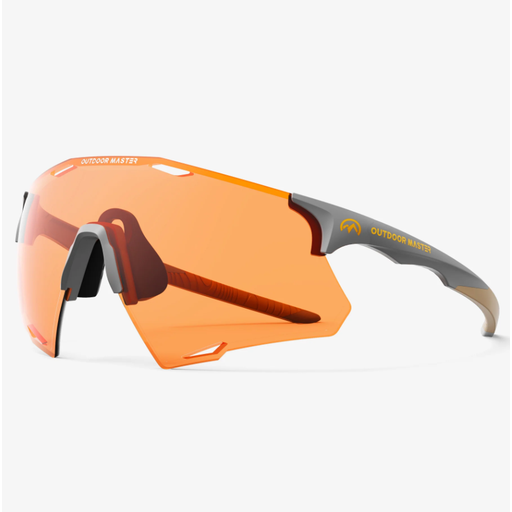
Why this product suits this type of rider: For frequent rides in bright sunshine and varied conditions, this model combines polarised lenses with ventilation and adjustable nose pads.
The ventilated lens design helps address the risk of misting, which can occur with fully enclosed lenses in humid conditions.
The stated specifications include a weight of 25.5 g, PC lenses, UV400 protection, adjustable nose pads and a wider field of vision.
After dusty rides, rinse the lenses with water first, then clean them with a soft cloth. Alcohol, harsh cleaning products and rough fabrics can damage coatings. A case will help protect your glasses from pressure and scratches in your rucksack.
Cycling glasses with interchangeable lenses are worth considering if you regularly switch between bright roads, woodland and dusk. For photochromic models, check how quickly they adjust and the range of tints available. If you wear prescription glasses, an included insert frame may be useful; check separately that it’s compatible with your prescription before buying.
We’ve put together a complete, regularly updated list of products that meet these strict selection criteria and fully comply with the safety regulations in force in the EU.
Photochromic cycling glasses can adjust their tint to UV exposure, making them suitable for rides that alternate between sun and shade. If it’s consistently sunny, fixed-tint polarised lenses may be enough.
Their lifespan depends on use, care and storage. Scratches, damaged coatings or loose arms can affect your vision and the fit. Replace your glasses if the lenses are visibly damaged, even if the frame still looks intact.
The price depends on factors such as lens material, polarisation, photochromic function, frame design and accessories. Price isn’t the only thing that matters: check that the specifications include UV400 protection, adequate coverage, a secure fit and a tint suited to the type of riding you do.