
Lieferung heute & morgen

Qualitätsgarantie

Willkommens-Angebote freischalten: KOSTENLOSE Lieferung | Bis zu 80 % RABATT | Kostenlose 30-Tage-JoyPlus-Testphase
App herunterladen
A good pair of cycling glasses is more than just a fashion accessory. It protects your eyes from UV radiation, wind, insects, and kicked-up debris. However, the market is overwhelming and full of technical terms that make an informed decision difficult. Many cyclists invest in models that don't meet their needs or disappoint with exaggerated marketing claims. As your Joybuy Product Recommendation Officer, I'm here to help you separate the wheat from the chaff and make an informed choice.
This guide focuses on the most common pitfalls and the truly crucial product features to ensure your next pair of sports sunglasses is a worthwhile investment.
Before we dive into the technical details, let's look at the typical mistakes that often lead to dissatisfaction.
To avoid the pitfalls mentioned above, you should focus on three core areas. These objective criteria will help you realistically assess a pair of glasses' performance.
The choice of the right lenses depends on your primary use case.
Some models combine both technologies, offering great flexibility for variable conditions.
A pair of glasses you wear for hours must fit perfectly and be robust.
Protecting your eyes is the top priority.
Based on the criteria above, we have selected a few models for specific user profiles.
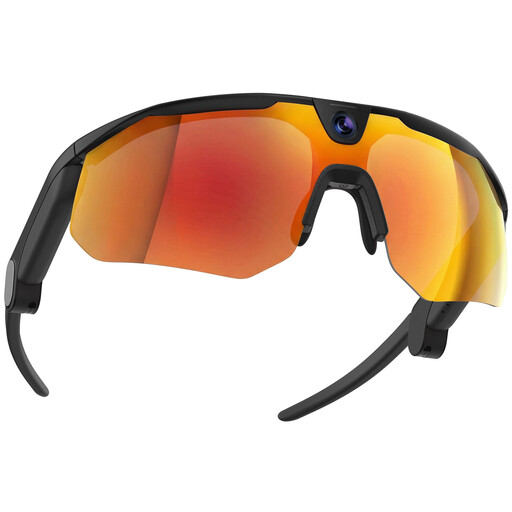
Why This Fits Their Persona: This model is designed for athletes who want to capture their experiences without carrying extra equipment. The integrated camera allows for hands-free, first-person-view recording.
These sports camera glasses integrate multiple functions (camera, audio, protection) into one device, bypassing the complexity and cost of buying and managing separate gadgets.
Integrated 3K camera with Electronic Image Stabilization (EIS) for smooth footage. Open-ear audio allows you to hear ambient sounds.
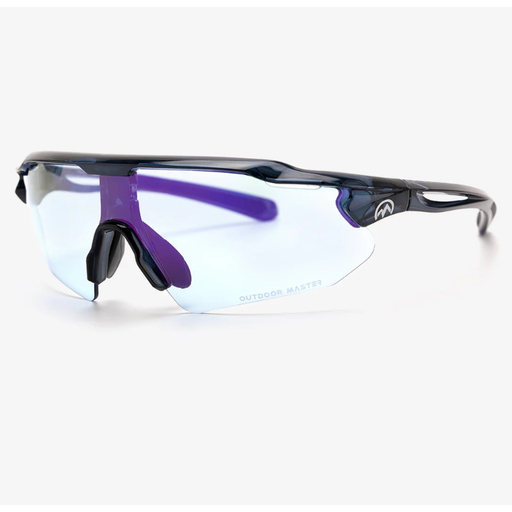
Why This Fits Their Persona: For athletes who train in all weather and need one pair of glasses for all conditions. The combination of photochromic and polarized lenses offers maximum versatility.
This model solves the problem of misunderstood lens technologies by combining both key features. You don't have to choose between polarization and photochromic tinting or carry multiple pairs of glasses.
Combines photochromic and polarized lenses for optimal vision in both glare and changing light. Very lightweight sunglasses (26-29g) with a TR90 frame.
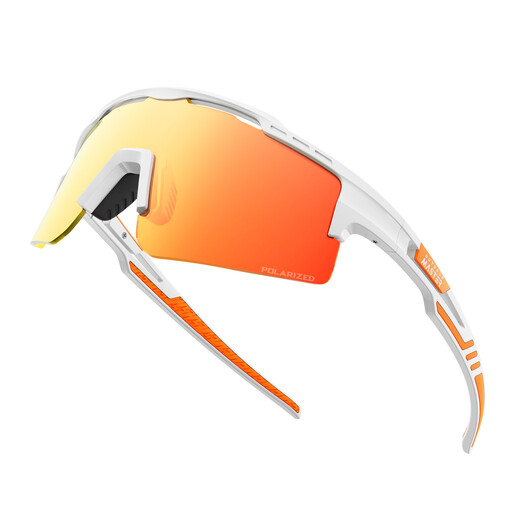
Why This Fits Their Persona: Ideal for cyclists looking for reliable and protective glasses without paying extra for advanced features like photochromic lenses. It offers all the essential protection and comfort features.
This model avoids the poor-fit trap with a flexible TR90 frame that adapts to different face shapes. It focuses on essential, well-executed features.
Effective polarized TAC lenses with UV400 protection. The aerodynamic design reduces wind resistance at higher speeds.
We have compiled a complete, up-to-date list of products that fully meet these strict selection criteria and German safety regulations.
The UV400 label means that the lenses filter UV rays up to a wavelength of 400 nanometers. This includes both UVA and UVB rays, providing nearly complete protection for the eyes from the harmful effects of solar radiation. This is an important standard for any high-quality pair of cycling glasses.
The lifespan of the photochromic function depends on the quality of the lenses and the frequency of use. Typically, the ability to change tint diminishes after a few years. High-quality lenses usually maintain their function for two to four years with regular use. Store the glasses in a dark, cool place when not in use to extend the life of the photochromic molecules.
Yes, there are several solutions. Some sports glasses, like models from OutdoorMaster glasses, come with a prescription inner frame (or RX insert). An optician can fit custom prescription lenses into this clip. The clip is then simply attached behind the main lenses of the sports glasses. This is a flexible and often more cost-effective alternative to directly glazed sports glasses.